Insurance Health and Safety in Switzerland: 6 Priorities for Zurich and Global Firms
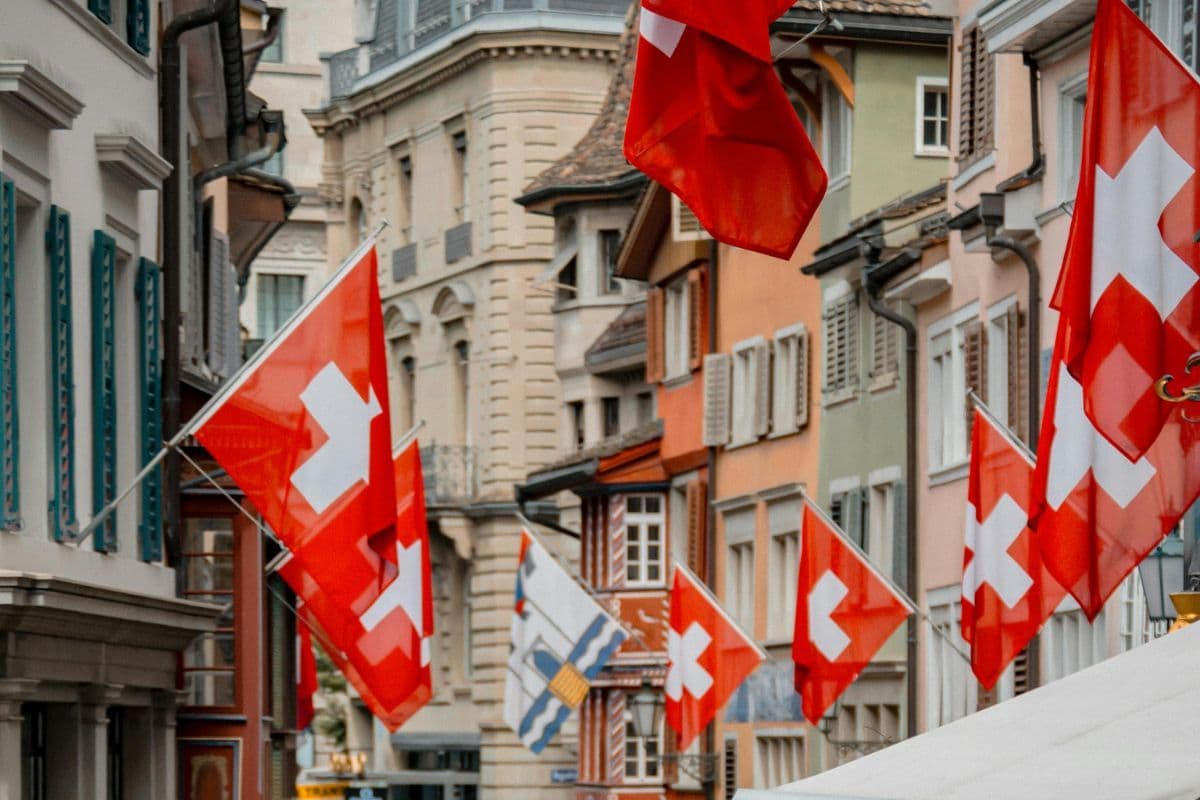
Zurich sits at the heart of the global insurance and reinsurance industry, home to some of the world's largest insurers and a magnet for international firms managing their European operations from Switzerland. For all of them, health and safety comes with a Swiss framework that is thorough, well-organised and distinctive, structured differently from the UK, the Middle East, Asia and elsewhere in ways that reward understanding early.
The Swiss system is meticulous, and that is a strength once you know how it works. The core principles are the same ones any insurance firm would recognise, but the framework has its own bodies, its own dual structure and its own expectations. Whether you are a global insurer establishing a Swiss base or a growing regional firm, here are six priorities to get right, and how expert support makes them manageable wherever your business is headquartered.
1. Understand Switzerland's dual system
The first thing to grasp is that Swiss workplace health and safety runs on two tracks. Occupational safety, focused on preventing accidents, is anchored in the accident insurance system and coordinated nationally by the Federal Coordination Commission for Occupational Safety, known as EKAS or CFST. Health protection, covering working conditions and wellbeing, sits under the Labour Act and is overseen by the State Secretariat for Economic Affairs, SECO, with cantonal labour inspectorates enforcing on the ground.
This dual structure is the biggest difference for incoming firms. You are answering to more than one framework at once, and the specific requirements can vary by canton. Understanding which duties apply, and to whom you report, is the foundation everything else builds on, and it matters especially for firms operating across several countries.
2. Meet accident insurance and prevention duties
Switzerland's accident insurance system, delivered through Suva and private insurers, is central to workplace safety. Employers must ensure their people are covered, and the system carries genuine prevention and inspection duties, not just compensation after the fact. Suva provides extensive guidance on the safety obligations that come with it.
For office-based insurance firms, the physical accident risks may be lower than in industry, but the duties still apply, and meeting them properly is part of operating in Switzerland. Establishing this correctly from the outset avoids both compliance gaps and administrative difficulty later.
3. Office safety, ergonomics and display screens
Need Expert H&S Guidance?
Our qualified consultants can help you implement the right health & safety measures for your business.
Insurance is office and screen-based work, and Switzerland places notable emphasis on ergonomics and workplace design. The musculoskeletal problems caused by poorly set up workstations are among the most common and preventable health issues in any insurance business, building slowly and quietly before they cost real time and money.
A proper display screen and workstation assessment checks the chair, screen, keyboard and posture, and identifies the support each person needs. Alongside fire safety, first aid and the general condition of the office environment, this is a priority rather than a formality for a sector where people work long, focused hours at a desk.
4. Health protection under the Labour Act
Beyond accident prevention, the Swiss Labour Act sets out duties around working conditions and the protection of employee health, including working hours, workloads and the broader working environment. This health-protection dimension is a distinct and important part of the Swiss system, and it is enforced seriously by the cantonal authorities.
For insurance firms, this means paying attention not just to physical safety but to how work is organised and how it affects people over time. It is a broader conception of health and safety than some jurisdictions apply, and meeting it is part of being a credible employer in Switzerland.
5. Work-related stress and wellbeing
Insurance is a demanding sector, and the pressures of complex, high-stakes work make work-related stress a genuine health and safety consideration, one that aligns closely with the health-protection duties above. Long hours and sustained mental demand take a toll if they are not managed, and Swiss expectations around employee wellbeing are correspondingly high.
Managing it means being honest about workloads, supporting managers to recognise the signs of pressure, and giving people real routes to raise concerns. Treating wellbeing as a managed duty, rather than an afterthought, protects both your people and the performance that depends on them.
6. One consistent standard across the group and beyond
Because so many Swiss insurance operations are the European or global hub of a larger institution, consistency is often the defining challenge. A strong safety culture in one location counts for little if the Zurich office, or any other, is held to a different standard, and leadership frequently cannot see the difference until a problem arises.
This is where the combination of expertise and technology proves its worth. As global health and safety consultants, we help firms hold one high standard across every location while meeting each jurisdiction's specific rules, from Switzerland's dual system to the equivalents elsewhere. Backed by software that gives central visibility and aligned with recognised frameworks such as ISO 45001, it turns a multi-country operation into something genuinely managed.
The Switzerland insurance readiness checklist
Run these questions across your Swiss operations. Each no answer is a priority to address.
- Do you understand Switzerland's dual system of occupational safety and health protection? Yes / No
- Are your accident insurance and prevention duties properly met? Yes / No
- Have office, ergonomic and display screen risks been assessed? Yes / No
- Are your working conditions compliant with the Labour Act's health protections? Yes / No
- Is work-related stress assessed and managed as a health and safety risk? Yes / No
- For regional or international operations, is your Swiss standard consistent with the group? Yes / No
- Do regular health and safety audits confirm all of this in practice? Yes / No
If you cannot answer yes with confidence, the gaps are ones a cantonal inspector, or an incident, could expose.
Where Arinite fits
Arinite has spent 15+ years helping businesses meet local health and safety obligations without getting lost in unfamiliar rules, in Switzerland and around the world. We support 1,500+ businesses across 50+ countries and have helped protect 100,000+ employees, with a 95% client retention rate. We combine practical advice from qualified consultants with software that keeps every site visible and accountable.
As international health and safety consultants, we help insurance firms hold one high standard across every location, meeting Switzerland's requirements while keeping the wider international picture consistent. Whether you are a global insurer establishing a Zurich base or a regional firm scaling fast, the goal is the same: compliance you can prove, wherever you operate.
The fastest way to see where you stand is a free gap analysis. Our specialists review your current arrangements and tell you plainly what is working and what is not. Book your free gap analysis and find out exactly where your business stands.
Written by
Arinite Health & Safety Consultants
Health & Safety Expert at Arinite