Health and Safety in Taiwan: 6 Duties and the Overwork Provision
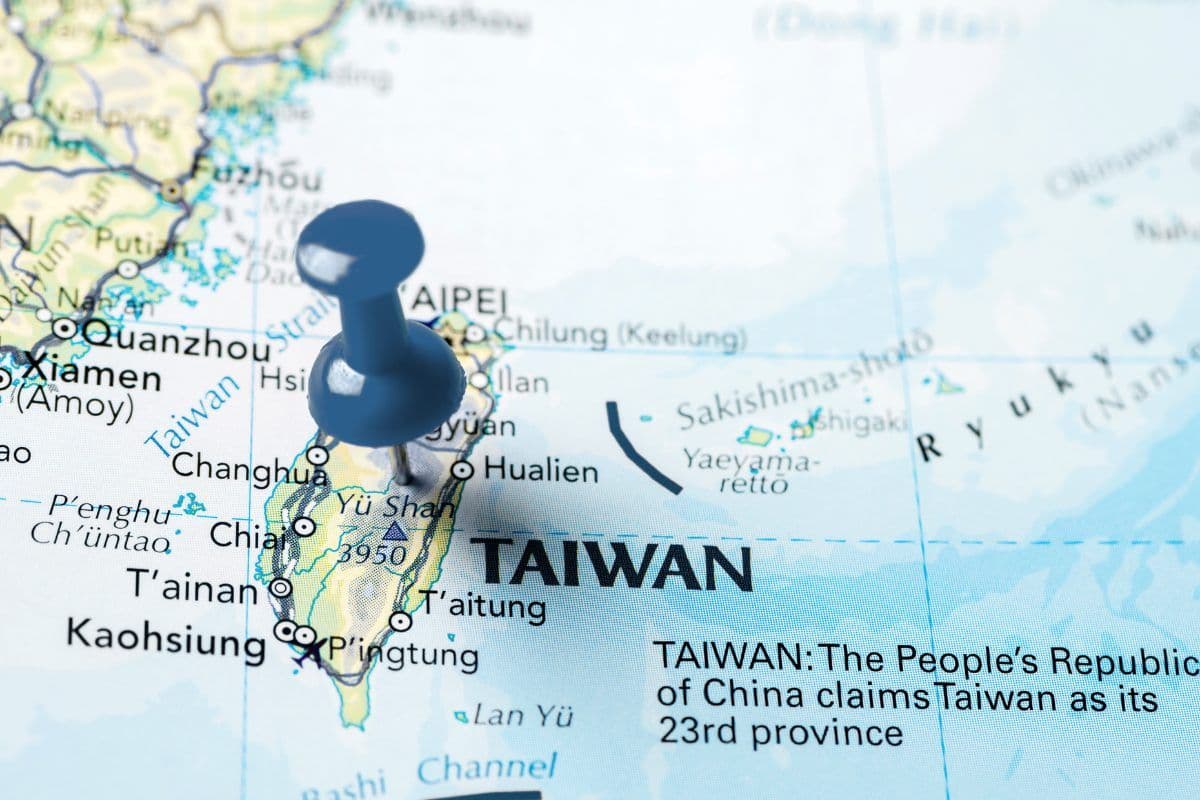
Most countries treat long hours as an employment law question about pay and rest entitlements. Taiwan treats them as a safety hazard, in the safety statute, with a duty to prevent the illnesses they cause.
That single design choice makes Taiwan one of the more interesting jurisdictions for any organisation running engineering, hardware or financial operations there, because the obligations reach the things those operations are actually built on: sustained workload, shift patterns, repetitive screen work and the way people treat each other under pressure.
Six duties for an office or R&D operation in Taipei, Hsinchu or Taichung.
1. The general duty, and where the detail lives
The Occupational Safety and Health Act establishes the employer's duty to provide necessary preventive equipment and measures to protect workers from occupational accidents, and it is supplemented by detailed regulations, enforcement rules and administrative orders issued underneath it.
Two structural points for a foreign parent. The Act defines "worker" broadly, reaching beyond employees to self-employed persons and others working under the direction or supervision of the person in charge of the workplace, so your contractor population is not automatically outside it. And the detail sits in subordinate instruments rather than the Act, so reading the statute alone gives you the principle and not the requirement.
The Ministry of Labor publishes an English translation of the Act, which is unusually accessible for a non-English jurisdiction.
2. Article 6 paragraph 2, the provision worth knowing
This is the distinctive one, and it has no direct British or American equivalent as a statutory list.
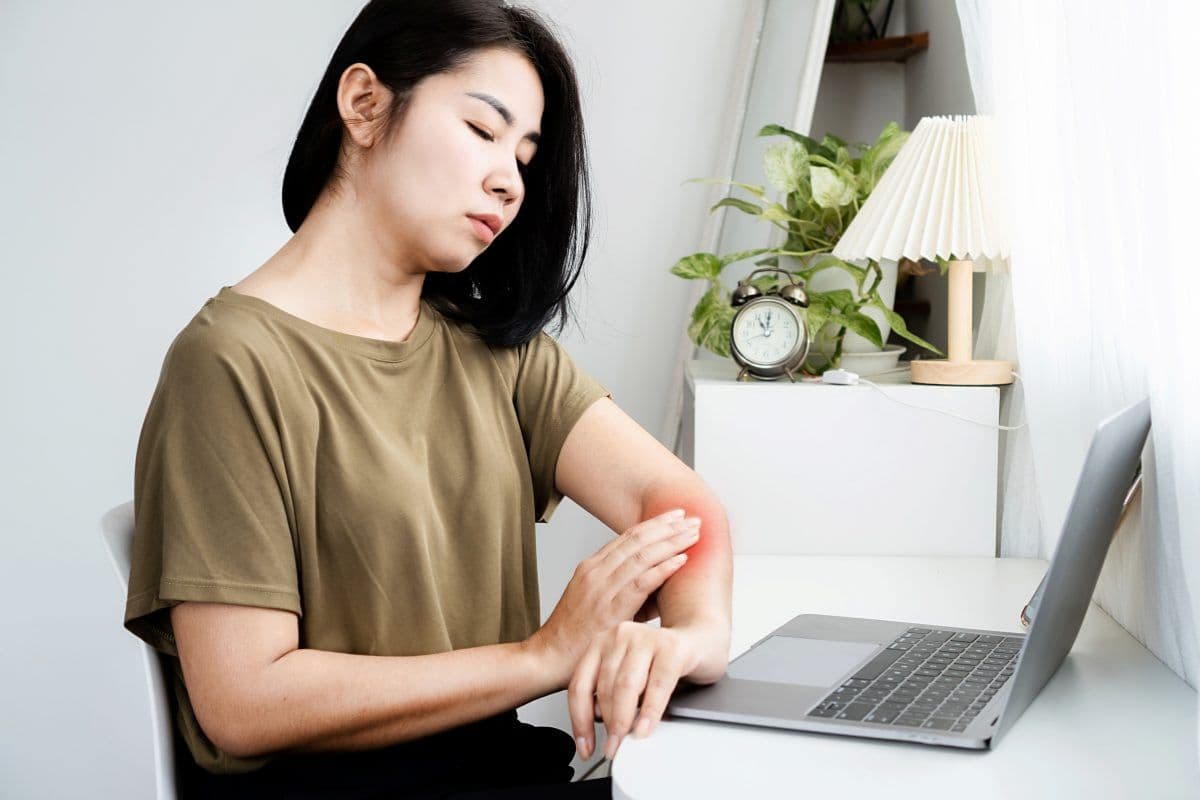
Employers must properly plan and take necessary safety and health measures to prevent, among other things: musculoskeletal disorders induced by repetitive tasks; ailments induced by exceptional workload, expressly including shift work, night work and long working hours; and wrongful physical or mental harm caused by the actions of others while employees perform their duties.
Read the second item again. Illness caused by abnormal workload is a hazard the employer must plan to prevent, named in the safety statute rather than inferred from a general duty. The Ministry of Labor has explained the reform in terms of workers facing long hours and heavy workload as enterprises pursue international competitiveness, and its policy statement sets out the intention to strengthen protection against over-fatigue, mental stress and musculoskeletal disorder.
For a semiconductor design team, a trading operation or a software organisation running release cycles, that is not peripheral. It is the central risk, and it is regulated.
3. What "harm caused by others" actually covers
Need Expert H&S Guidance?
Our qualified consultants can help you implement the right health & safety measures for your business.
The third limb repays attention because the supporting regulations define it more broadly than most equivalents elsewhere.
The categories addressed include physical assault; psychological attack such as threats, defamation, insult and severe verbal abuse; excessive intrusion into private matters; excessive demands, meaning requiring tasks that are clearly unnecessary or impossible and thereby impeding work; and inadequate demands, meaning assigning work without business rationale, work that does not match a person's skills or experience, or not providing work at all.
That last category is striking. Deliberately giving someone nothing to do is treated as a workplace hazard. Very few jurisdictions name it, and for an organisation managing performance issues informally it is worth knowing that the technique has a statutory label.
The expected measures are recognisable: identify and assess the hazard, arrange the workplace appropriately, adjust staffing to job suitability, establish behavioural norms, train people in prevention and communication, and put procedures in place.
4. Obligations scale with headcount
Several requirements attach at defined sizes, and the reported thresholds cluster around three points.
Employers above a first threshold are required to engage medical personnel, employed or contracted, to provide labour health protection services. Above a higher threshold, preventive measures relating to unlawful harm are expected, with particular attention to sectors including healthcare, social welfare, security and finance. Above a higher threshold again, overwork prevention measures apply along with medical check-ups and working hour adjustments, with records retained for a defined minimum period.
Confirm the current figures for your entity through local advice. Secondary sources report them consistently in shape and less consistently in detail, and they matter because a growing operation crosses them without notification.
5. Environmental monitoring and disclosure
Workplaces that may pose a threat to worker health are subject to monitoring of the operating environment, with plans and results disclosed and reported to the authorities.
For a pure software office this is unlikely to bite. For an organisation with laboratories, hardware test facilities, chemical handling or specialised equipment, which describes a substantial share of foreign R&D operations in Taiwan, it is a live obligation and one that sits alongside the chemical labelling, safety data sheet and inventory requirements introduced through the same reforms.
If your Taiwanese site has grown from an office into an office plus a lab, this is the requirement most likely to have been missed.
6. Training is an express duty
Employers must provide workers with the safety and health education necessary to perform their duties and prevent accidents.
The pattern that fails is the one that fails everywhere in Asia Pacific: a group induction module, translated, delivered once. The requirement is education relevant to the actual work and the actual hazards, which a global module by definition does not address, and which becomes more important where the hazards include workload and interpersonal conduct rather than machinery.
What a Taiwanese operation needs
| Duty | What satisfies it | Common gap | |---|---|---| | General duty | Measures proportionate to actual hazards, per subordinate regulations | Statute read alone, detail missed | | Repetitive task hazards | Ergonomic assessment and measures for screen and repetitive work | Treated as a comfort issue | | Abnormal workload | Planned measures against overwork, shift and night work illness | Treated as an HR or scheduling matter | | Harm by others | Assessment, norms, training, procedures | Policy only, no assessment | | Headcount obligations | Medical personnel and preventive programmes at the applicable sizes | Thresholds crossed unnoticed | | Environment monitoring | Where applicable, monitored, disclosed and reported | Missed after adding a lab | | Training | Specific to the work and hazards | Translated group module |
The third row is the one to raise internally. In most jurisdictions an organisation can decide how seriously to take workload as a health matter. In Taiwan the statute has already decided.
Taiwan in an Asia Pacific footprint
Taiwan is a good illustration of why regional standardisation does not work.
Japan requires named appointments including an industrial physician, a monthly committee and an annual stress check. Malaysia extended its principal act to all workplaces in June 2024 and requires a coordinator at five employees. The Philippines requires every worker to complete an eight-hour seminar. Australia imposes a personal, non-delegable duty on officers that can reach decision-makers abroad. Hong Kong raised its penalties sharply in 2023.
Every one of those is a different mechanism, and Taiwan's contribution to the list is a statutory duty to prevent overwork-related illness that none of the others expresses in the same way. The ILO publishes regional material useful for orientation, and the compliance work remains national.
Keeping one group view while each entity meets its own national test is where health and safety consultants and software are worth more together than either alone, and periodic health and safety audits confirm each entity satisfies its own requirements rather than a translated group standard.
Where Arinite fits
Arinite coordinates locally qualified practitioners across Asia Pacific, so Taiwanese obligations are addressed under Taiwanese law while your group keeps one point of contact and one view of compliance. We support 1,500+ businesses across 50+ countries and protect 100,000+ employees, with 95%+ client retention over 15+ years. Our health and safety consultants work extensively with IT and software, engineering and finance and banking organisations, which covers most foreign operations in the Taiwanese technology corridor.
Our global health and safety consultants handle the regional jurisdictions that accompany a Taiwanese entity, and our international health and safety consultants can establish what is outstanding locally. If your Taiwan team works the hours the sector is known for and nobody has assessed that as a hazard, a free gap analysis is the right place to start.
Related Articles
Written by
Arinite Health & Safety Consultants
Health & Safety Expert at Arinite