Health and Safety Consultants for Care Homes: A Complete Guide
Care homes face one of the most demanding health and safety environments of any sector, combining vulnerable residents, a high-risk physical environment, complex regulatory scrutiny, and a workforce exposed to significant hazards. Health and safety in care homes is not only a legal duty under the Health and Safety at Work Act 1974 but a core part of the quality and safety that the Care Quality Commission (CQC) and equivalent regulators expect, and that residents and their families depend on. The risks are serious and wide-ranging: Legionella in water systems, fire with occupants who cannot easily evacuate, hazardous substances, manual handling of residents, slips and trips, violence and aggression, infection, and the stress on a hard-pressed workforce. Managing all of this properly requires genuine, specialist competence that most care providers do not have in-house. This guide explains why care homes need specialist health and safety support, the risks and law involved, and how to choose the right consultant, in the UK and internationally.
Why Care Homes Need Specialist Health and Safety Support
Few sectors combine as many serious health and safety challenges as residential and nursing care. A care home is simultaneously a workplace, a home, a healthcare setting, and a building full of people who, by definition, are among the most vulnerable to harm.
This combination creates a uniquely demanding risk environment. The residents are often elderly, frail, or living with conditions that make them especially susceptible to harm, from infection, from fire (which they may be unable to escape unaided), from Legionella, from falls. The staff face their own significant risks, from manual handling of residents, from violence and aggression, from infection, and from the physical and emotional demands of the work. And the building itself, with its water systems, kitchens, laundries, and fire safety challenges, presents hazards that must be carefully controlled.
Layered on top is a regulatory environment more intense than almost any other sector. Care homes answer not only to the HSE for health and safety but to the Care Quality Commission (or its equivalents across the UK nations) for the quality and safety of care, with health and safety failings capable of affecting both regulatory standing and reputation.
Managing this properly requires specialist competence. Health and Safety Consultants with care sector experience help providers protect residents and staff, meet their legal duties, and satisfy the scrutiny they face.
1. The Care Home Risk Profile
Understanding why care homes are so demanding starts with the breadth and seriousness of the risks they face, which exceed those of most other sectors.
The defining feature, vulnerable occupants: Unlike an office or a factory, a care home is full of people who are inherently vulnerable, elderly, frail, often with limited mobility, cognitive impairment, or health conditions. This vulnerability amplifies every risk: a fire is more dangerous because residents cannot easily evacuate, an infection spreads more readily and harms more seriously, a fall is more likely and more damaging, and Legionella poses greater danger to those with weakened immune systems.
A workplace and a home combined: A care home is both a workplace, with all the employer duties that entails, and the residents' home, which shapes how risks must be managed (a home cannot be run like a factory, yet the hazards are real). Balancing safety with dignity, autonomy, and quality of life is a constant challenge unique to the sector.
A high-hazard physical environment: Care homes contain water systems (Legionella risk), kitchens and laundries (fire, COSHH, equipment), bathing facilities, and the equipment needed to care for residents, all presenting hazards requiring control.
A workforce facing serious risks: Care staff face some of the highest rates of work-related musculoskeletal injury of any sector, from moving and handling residents, alongside risks of violence and aggression, infection, and significant work-related stress.
This combination, vulnerable people, a dual home-and-workplace setting, a hazardous environment, and an at-risk workforce, is why care home health and safety is so demanding and why specialist support matters.
2. The Legal and Regulatory Framework
Need Expert H&S Guidance?
Our qualified consultants can help you implement the right health & safety measures for your business.
Care homes operate under a dual regulatory framework that makes health and safety compliance especially important and especially scrutinised.
Health and safety law: The Health and Safety at Work Act 1974 places duties on care providers as employers and as those in control of premises, to protect employees, residents, visitors, and others. The Management of Health and Safety at Work Regulations 1999 require risk assessment and the systematic management of health and safety, and numerous specific regulations apply, covering fire, Legionella, COSHH, manual handling, and more.
The HSE and the care sector: The HSE regulates health and safety in care homes and provides specific guidance for health and social care. Enforcement in the care sector is active, and failures, particularly those causing harm to residents, attract serious penalties, with the HSE securing over £33 million in fines across its enforcement activity in 2024/25.
The CQC and care regulation: Alongside health and safety law, care homes are regulated by the Care Quality Commission in England (with equivalent regulators in Scotland, Wales, and Northern Ireland) for the quality and safety of care. Safety is central to CQC's assessment, and many health and safety matters, safe premises, infection control, safe moving and handling, fire safety, overlap directly with what CQC examines.
The overlap and its implications: This dual scrutiny means health and safety failings can have consequences on two fronts, HSE enforcement and CQC findings, with the latter affecting a provider's rating, reputation, and ability to operate. Managing health and safety well is therefore essential not only for legal compliance and resident safety but for regulatory standing, making competent support particularly valuable in this sector.
3. Legionella Risk in Care Homes
Legionella is among the most serious risks in care homes, because the sector combines extensive water systems with exactly the vulnerable population most at risk from Legionnaires' disease.
Why care homes are high-risk: Care homes have substantial hot and cold water systems serving numerous rooms, bathrooms, and facilities, often with little-used outlets (in unoccupied rooms) where water can stagnate, and temperatures that must be carefully controlled. Crucially, the residents, elderly, often with weakened immune systems or respiratory conditions, are precisely the group most vulnerable to Legionnaires' disease, which can be fatal.
The heightened duty: The combination of high-risk water systems and a highly vulnerable population makes Legionella control in care homes especially critical. The duty to assess and control Legionella risk, under the Control of Substances Hazardous to Health Regulations and the HSE's Approved Code of Practice L8, applies fully, and the consequences of failure are severe.
What is required: A competent Legionella risk assessment, a written control scheme implemented and maintained (temperature control, flushing of little-used outlets, monitoring), records, and regular review, all overseen by a competent person.
The consultant's role: Specialist Health and Safety Consultants ensure care homes assess and control Legionella risk to the standard the vulnerable population demands, a duty too serious, in this setting, to manage without competent support.
4. Fire Safety in Care Homes
Fire safety in care homes is uniquely challenging and uniquely critical, because the residents are often unable to evacuate themselves.
The defining challenge, evacuation: In most premises, fire safety relies substantially on people being able to escape. In a care home, many residents cannot evacuate unaided, they may be immobile, frail, or cognitively impaired. This transforms fire safety, requiring strategies such as progressive horizontal evacuation (moving residents to a safe fire compartment on the same floor rather than out of the building), robust compartmentation, and carefully planned staff-assisted evacuation.
The legal duty: The Regulatory Reform (Fire Safety) Order 2005 applies fully, requiring a competent fire risk assessment and appropriate fire precautions. Given the vulnerability of occupants, the standard expected is high, and care homes with sleeping accommodation are treated as higher-risk premises.
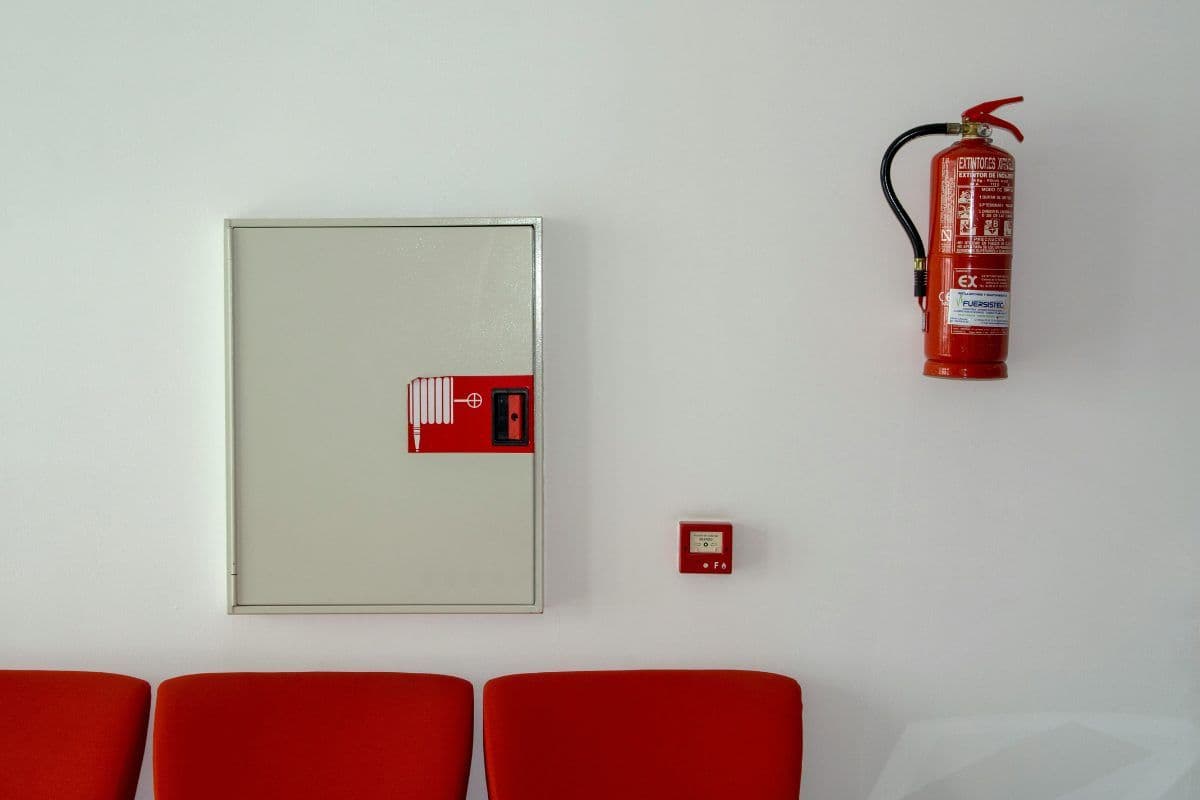
What care home fire safety requires: A competent fire risk assessment specific to the care setting, robust compartmentation and fire protection, Personal Emergency Evacuation Plans (PEEPs) for residents, well-trained staff who know their evacuation roles, regular drills, and maintained detection, warning, and firefighting provisions.
Why specialist competence is essential: Fire safety in a care home is among the most technically demanding fire safety challenges there is, requiring expertise in evacuation strategy for non-ambulant occupants that general fire safety knowledge does not provide. This is precisely where specialist fire risk assessment support is essential, and where inadequate assessment most endangers life.
5. COSHH, Infection, and Hazardous Substances
Care homes use a wide range of hazardous substances and face significant biological hazards, requiring careful COSHH and infection control management.
Hazardous substances in care homes: Care homes use cleaning and disinfection chemicals extensively (heightened by infection control needs), along with substances in laundries, kitchens, and maintenance. These fall under the COSHH Regulations, requiring assessment and control to protect staff and residents.
The infection control dimension: Biological agents, the bacteria, viruses, and other micro-organisms that cause infection, are a major hazard in care settings, both as a COSHH matter and as a central concern of care quality regulation. Infection prevention and control is critical given the vulnerability of residents and the close-contact nature of care, a lesson underlined by recent experience of infectious disease in care settings.
The overlap with care quality: Infection control and the safe management of substances sit at the intersection of health and safety law and care regulation, examined by both the HSE and CQC. Getting them right serves both compliance and the protection of residents and staff.
What is required: Competent COSHH assessments covering the substances used, control measures following the hierarchy of control, robust infection prevention and control arrangements, and the training and management to make them work, all areas where specialist support adds significant value.
6. Moving and Handling, Slips, Trips, and Workforce Risks
Care staff face some of the highest rates of injury of any sector, and protecting the workforce is as much a part of care home health and safety as protecting residents.
Moving and handling: The moving and handling of residents, helping them move, transfer, bathe, and reposition, is the single largest source of staff injury in care, causing musculoskeletal disorders, particularly back injuries. Proper moving and handling risk assessment, the right equipment (hoists, slide sheets), safe systems of work, and thorough training are essential, both to protect staff and to ensure residents are handled safely and with dignity.
Slips, trips, and falls: A leading cause of injury for both staff and residents, in an environment with spills, wet floors (bathrooms, kitchens), and residents who may be unsteady. Prevention requires good housekeeping, prompt spill management, suitable flooring, and attention to the specific risks of the setting.
Violence and aggression: Care staff, particularly those working with residents who have dementia or certain conditions, can face violence and aggression. This is a recognised workplace risk requiring assessment, training, and supportive arrangements.
Stress and the workforce: Care work is physically and emotionally demanding, often involving long hours, difficult situations, and high responsibility, contributing to significant work-related stress, the leading cause of work-related ill health. Supporting the wellbeing of a hard-pressed workforce is both a legal duty and essential to retention and quality.
The consultant's role: Specialist support helps care providers assess and control these workforce risks, through proper risk assessment, the right equipment and systems, and effective training, protecting the staff on whom resident care depends.
7. The Role of Risk Assessment in Care Homes
Risk assessment is the foundation of care home health and safety, and given the breadth and seriousness of the risks, it must be comprehensive and genuinely suitable and sufficient.
The range of assessments required: A care home needs a wide range of risk assessments: general workplace, fire, Legionella, COSHH, moving and handling, slips and trips, violence and aggression, infection control, and stress, among others. Few sectors require so many.
Individual resident risk assessments: Uniquely, care homes must also assess risks to and for individual residents, falls risk, the need for PEEPs, moving and handling needs, and more, balancing safety with the resident's dignity, autonomy, and quality of life. This person-centred dimension adds complexity not found in other sectors.
The suitable and sufficient standard: Each assessment must be genuinely specific to the care home and its residents and activities, not a generic template, meeting the legal standard and providing real protection.
The management challenge: Managing this breadth of assessments, keeping them current, tracking the actions, and connecting them to the care provided, is a substantial task, well supported by Health and Safety Consultants and Software that holds the assessments, schedules reviews, and tracks actions across the home.
The consultant's role: Specialist consultants ensure care homes carry out the full range of required assessments competently, including the person-centred resident assessments, and manage them as a coherent whole, the foundation of both safety and regulatory compliance.
8. CQC, HSE, and Demonstrating Compliance
Care homes must not only manage health and safety well but demonstrate it to two regulators, making documented, systematic compliance especially important.
Dual demonstration: A care home must be able to show the HSE that it meets its health and safety duties, and show the CQC (or equivalent) that care is safe, including the health and safety elements CQC examines, safe premises, infection control, safe moving and handling, and fire safety. The same underlying management serves both, but it must be documented and demonstrable.
What demonstrable compliance requires: Current, suitable risk assessments across all the required areas; implemented and maintained controls; training records; maintenance and monitoring records (fire, Legionella, equipment); incident records and RIDDOR reporting; and the policies and management arrangements that tie it together, in effect, a functioning health and safety management system.
The role of audit: Independent Health and Safety Audits are particularly valuable in care, verifying that the arrangements genuinely work and providing the objective assurance that supports both HSE compliance and CQC inspection, and identifying gaps before a regulator does.
The reputational and operational stakes: For a care provider, health and safety failings can affect not only legal standing but CQC ratings, reputation, occupancy, and the ability to operate. The stakes are high, making competent, demonstrable health and safety management a business essential, not just a legal one.
The consultant's role: Specialist consultants help care homes build and maintain the systematic, documented compliance that satisfies both regulators, supported by software and verified by audit.
9. Who Is Responsible for Health and Safety in a Care Home?
Clarifying responsibility is essential, because the duties fall on specific people and roles within a care organisation.
The provider as employer and duty holder: The care provider, as employer and as the organisation in control of the premises, carries the primary health and safety duties, to staff, residents, visitors, and others.
The registered manager: The registered manager typically holds day-to-day responsibility for the safe running of the home, including health and safety, alongside care quality responsibilities, a demanding dual role.
The competent person: The Management of Health and Safety at Work Regulations 1999 require the appointment of a competent person to assist with health and safety. Given the breadth and seriousness of care home risks, and that registered managers are rarely health and safety specialists on top of their care responsibilities, this competence usually comes from external specialist support.
Directors and owners: At the organisational level, directors and owners carry governance responsibility for health and safety, and can face personal liability for serious failings.
Why external competence is the norm: The sheer breadth of specialist risks in care, fire evacuation strategy, Legionella, COSHH, infection control, moving and handling, exceeds what most care providers can hold in-house. Engaging specialist Health and Safety Consultants is the practical way most care homes secure the competence the sector demands, supporting the registered manager and provider in discharging their duties.
10. How to Choose a Health and Safety Consultant for a Care Home
Given the specialist nature of care home risks, choosing a consultant with genuine care sector expertise matters greatly. The following criteria help.
Genuine care sector experience: The most important factor. A consultant experienced specifically in the care sector will understand its unique risks, fire evacuation for non-ambulant residents, Legionella in vulnerable populations, the CQC overlap, person-centred risk assessment, that a general consultant may not. Ask specifically about their care home experience and for evidence of comparable work.
Professional competence: CMIOSH-qualified, OSHCR-registered professionals, with the specialist competence (including fire and Legionella) the sector requires. Confirm who will actually do the work and their qualifications.
Breadth of capability: Care homes need the full range, fire, Legionella, COSHH, moving and handling, infection control, risk assessment, training, and audit. A consultant who covers the whole picture through one relationship is far more efficient than coordinating multiple specialists.
Understanding of the dual regulatory environment: A consultant who understands both health and safety law and the care regulation (CQC and equivalents) overlap helps the provider satisfy both, a significant advantage in this sector.
Quality of output and ongoing support: Specific, useful assessments and a continuing relationship with regular review, not a one-off, given that care home risks and regulatory scrutiny are constant.
Technology: Health and Safety Consultants and Software that manages the breadth of care home assessments, records, and recurring tasks, providing the documented compliance both regulators expect.
The integrated approach: For care providers, the most effective route is a provider delivering comprehensive Health and Safety Consultants support with genuine care sector expertise, so the full range of specialist risks is managed coherently, see the breadth across Arinite's sectors.
11. Health and Safety for International Care Operators
For care operators running homes across borders, or international organisations with care operations, health and safety carries an international dimension.
Care is regulated nationally, and differently: Every country regulates both health and safety and the quality of care, with their own laws, standards, and inspection regimes. A care operator with homes in multiple countries must meet each jurisdiction's requirements, which differ in detail and emphasis.
The consistency challenge: A multi-national care operator needs consistent group standards for the safety of residents and staff, applied across all homes, while meeting each country's specific legal and regulatory requirements, a balance of consistency and local compliance.
Coordinated international support: International Health and Safety Consultants help care operators manage health and safety across all their locations, meeting each jurisdiction's requirements while maintaining consistent group standards, often within an ISO 45001 framework, with Health and Safety Consultants and Software providing consolidated visibility across the group.
The governance dimension: For care groups and their boards, consistent, demonstrable health and safety management across all homes is essential for governance, assurance, and protecting both residents and the organisation's standing, particularly given the reputational sensitivity of the care sector.
12. How Arinite Supports Care Homes
Arinite provides specialist health and safety support to care providers, as part of comprehensive services to over 1,500 businesses across the UK and 50+ countries, with a 95%+ client retention rate.
Arinite's care home support:
The full range of specialist assessments: Fire risk assessment with care-specific evacuation expertise, Legionella risk assessment for vulnerable populations, COSHH and infection control, moving and handling, slips and trips, violence and aggression, and the person-centred resident risk assessments the sector requires.
Genuine sector competence: CMIOSH-qualified, OSHCR-registered consultants with the specialist competence care homes demand, including the fire and Legionella expertise the vulnerable population makes critical.
The competent person: A named competent person supporting the registered manager and provider, bringing the specialist competence the sector requires and most providers cannot hold in-house.
Dual-regulator support: Helping providers build the documented, systematic compliance that satisfies both the HSE and the CQC (or equivalents), with independent Health and Safety Audits providing objective assurance ahead of inspection.
Health and Safety Consultants and Software: Managing the breadth of care home assessments, records, training, and recurring tasks, providing the documented compliance both regulators expect.
Health and Safety Training: Training in the areas care staff most need, moving and handling, fire and evacuation, infection control, and more.
International Health and Safety Consultants: For care operators across borders, consistent group standards with local compliance in each jurisdiction.
Across more than 1,500 businesses and a wide range of sectors, Arinite brings the specialist competence that demanding, highly regulated environments like care homes require.
Frequently Asked Questions
Why do care homes need specialist health and safety support?
Care homes combine vulnerable residents, a dual home-and-workplace setting, a high-hazard physical environment, an at-risk workforce, and intense dual regulation by the HSE and CQC. This creates one of the most demanding health and safety environments of any sector, with specialist risks, fire evacuation for non-ambulant residents, Legionella in vulnerable populations, infection control, that exceed what most providers can manage in-house.
What are the main health and safety risks in care homes?
The main risks include Legionella (high-risk water systems and vulnerable residents), fire (with occupants who cannot easily evacuate), hazardous substances and infection (COSHH and infection control), moving and handling of residents (the largest source of staff injury), slips and trips, violence and aggression, and work-related stress in a demanding workforce.
How does health and safety relate to CQC regulation?
Many health and safety matters, safe premises, infection control, safe moving and handling, and fire safety, overlap directly with what the Care Quality Commission examines. Health and safety failings can therefore affect both HSE compliance and CQC findings, with the latter affecting a provider's rating, reputation, and ability to operate. The same systematic management serves both regulators.
Who is responsible for health and safety in a care home?
The care provider, as employer and the organisation in control of the premises, carries the primary duty, with the registered manager typically holding day-to-day responsibility and directors and owners holding governance responsibility. The law requires a competent person to assist, which, given the breadth of specialist risks, usually means engaging external specialist support.
What should I look for in a health and safety consultant for a care home?
Look above all for genuine care sector experience, understanding of the unique risks and the CQC overlap, alongside professional competence (CMIOSH, OSHCR), breadth of capability (fire, Legionella, COSHH, moving and handling, infection control), quality output, ongoing support, and technology to manage the breadth of care home compliance. A provider delivering all this through one relationship is most effective.
Can a consultant support care homes in multiple countries?
Yes, where they have genuine international capability. Care is regulated nationally and differently, and International Health and Safety Consultants coordinate health and safety across all of an operator's homes, meeting each jurisdiction's requirements while maintaining consistent group standards, valuable for governance and the protection of residents and staff group-wide.
Taking the Next Step
Health and safety in care homes is among the most demanding in any sector, and among the most consequential, for the safety of vulnerable residents, the protection of a hard-pressed workforce, and the provider's regulatory standing with both the HSE and the CQC. Getting it right requires genuine, specialist competence across a wide range of serious risks. Specialist support is not a luxury in this sector but a practical necessity.
Assess your position: Take our Health and Safety Quiz to evaluate your care home's compliance.
Discuss your home: Book a free Gap Analysis Call with an Arinite consultant to understand your specific needs.
Get specialist care sector support: Contact Arinite to learn how our Health and Safety Consultants support care providers across the UK and 50+ countries.
Arinite provides Health and Safety Consultants, Health and Safety Audits, and specialist sector support to over 1,500 global businesses across the UK and 50+ countries. Key external resources: HSE guidance for health and social care | Care Quality Commission | Health and Safety at Work Act 1974 | Management of Health and Safety at Work Regulations 1999 | OSHCR consultant register
Written by
Arinite Health & Safety Consultants
Health & Safety Expert at Arinite