Fire Safety Consultants: What They Do, How to Choose One, and What to Look For
Fire safety consultants are qualified professionals who help organisations identify and control fire risk, comply with fire safety law, and protect people and premises from one of the most serious hazards any building faces. For the Responsible Person under the Regulatory Reform (Fire Safety) Order 2005, the duty holder for fire safety in virtually every non-domestic premises in England and Wales, engaging competent fire safety support is often the practical way to meet a demanding and increasingly scrutinised set of legal obligations. Since the strengthening of fire safety law following the Grenfell Tower tragedy, through the Fire Safety Act 2021 and the Fire Safety (England) Regulations 2022, the expectations on duty holders have risen sharply, and the consequences of getting fire safety wrong, including unlimited fines and imprisonment, have never been clearer. This guide explains what fire safety consultants do, the services they provide, who needs them, and how to choose the right one, for organisations in the UK and internationally.
Why Fire Safety Consultants Matter
Fire is among the most catastrophic risks any organisation faces. A serious fire can kill and injure, destroy premises and stock, halt operations for months, and end businesses entirely. The law treats it with corresponding seriousness, placing demanding duties on those responsible for premises, and the technical and regulatory complexity of meeting those duties is why fire safety consultants exist.
The legal duty is clear and onerous. The Regulatory Reform (Fire Safety) Order 2005 requires the Responsible Person for almost every non-domestic premises to carry out and maintain a fire risk assessment, implement and maintain appropriate fire precautions, and keep them under review. Recent reforms have raised the bar further, and enforcement is active: fire and rescue authorities issue enforcement and prohibition notices, and prosecution can result in unlimited fines and imprisonment for the most serious breaches.
Meeting these duties properly requires genuine fire safety competence, the knowledge to assess fire risk, understand means of escape and fire protection, navigate the regulations, and put effective precautions in place. Most organisations do not have this expertise in-house, and the consequences of getting it wrong are too serious to leave to guesswork. Fire safety consultants provide that competence, and Health and Safety Consultants with fire safety expertise help duty holders protect people and premises while meeting their legal obligations.
1. What Fire Safety Consultants Do
Fire safety consultants are qualified professionals who provide expert guidance on identifying fire risk, controlling it, and complying with fire safety law. They translate the technical and regulatory complexity of fire safety into practical measures that protect people and premises.
Core functions of fire safety consultants:
- Carrying out fire risk assessments of premises
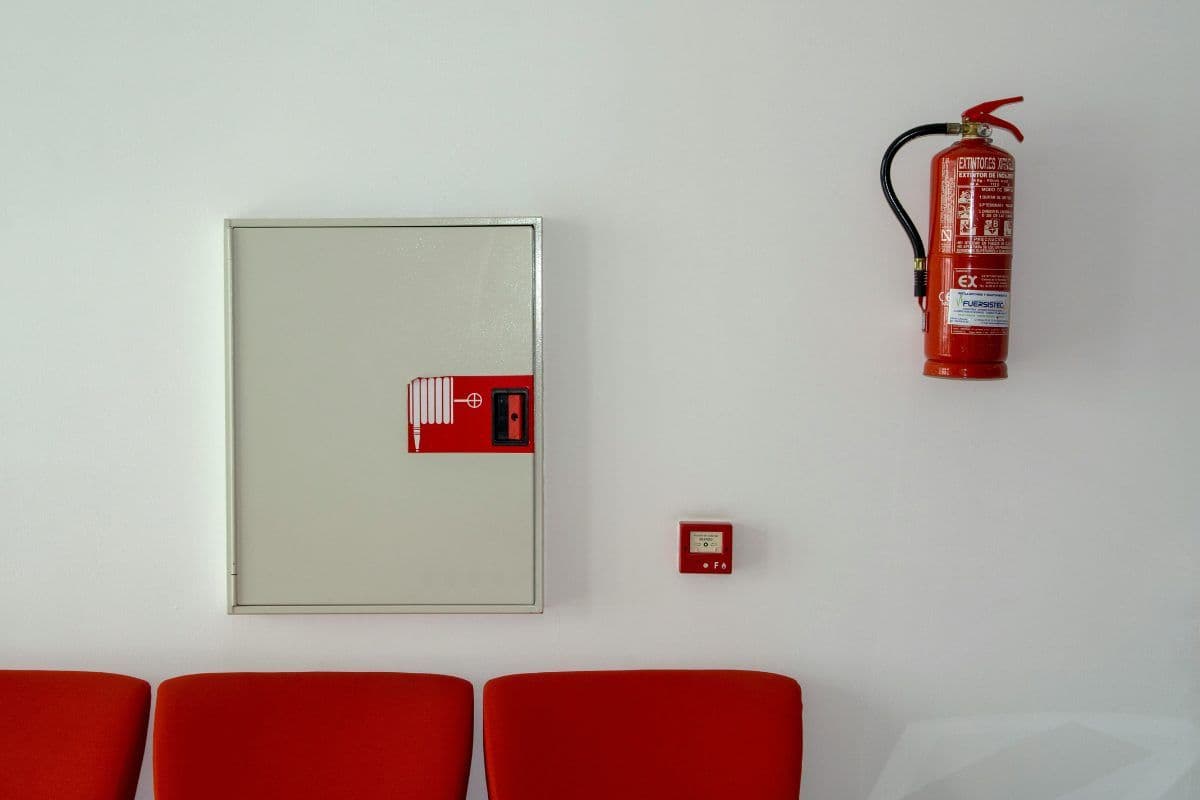
- Advising on means of escape, fire detection, warning, and firefighting provisions
- Advising on compliance with fire safety law and the duties of the Responsible Person
- Developing fire safety policies, emergency plans, and evacuation procedures
- Delivering fire safety training, including fire marshal and warden training
- Advising on fire safety in multi-occupied and complex buildings
- Supporting interaction with fire and rescue authorities and enforcement
- Reviewing and updating fire safety arrangements as buildings and uses change
The breadth of fire safety: Fire safety spans the assessment of risk, the physical fire protection of buildings, the management arrangements (training, drills, emergency planning), and ongoing review. A competent fire safety consultant addresses the whole picture, ensuring the duty holder meets all aspects of the obligation, not just the fire risk assessment in isolation.
For most organisations, fire safety consultants provide the competence to meet a demanding legal duty and protect against a catastrophic risk, delivered as part of, or alongside, broader health and safety support.
2. The Legal Framework Fire Safety Consultants Help You Meet
Need Expert H&S Guidance?
Our qualified consultants can help you implement the right health & safety measures for your business.
Fire safety consultants help duty holders comply with a body of fire safety law that has become more demanding in recent years.
The Regulatory Reform (Fire Safety) Order 2005: The RRO is the principal fire safety legislation for non-domestic premises in England and Wales. It requires the Responsible Person to carry out a fire risk assessment, implement and maintain fire precautions, and keep the assessment under review. It applies to virtually all non-domestic premises, workplaces, shops, restaurants, hotels, care homes, factories, and the common parts of residential blocks.
The Fire Safety Act 2021: Following the Grenfell Tower tragedy, the Fire Safety Act 2021 clarified that the RRO applies to the structure, external walls, and flat entrance doors of multi-occupied residential buildings, extending and clarifying duties.
The Fire Safety (England) Regulations 2022: The Fire Safety (England) Regulations 2022 introduced further duties for certain buildings, particularly higher-risk and multi-occupied residential premises, reflecting the post-Grenfell drive towards greater rigour and accountability.
The Health and Safety at Work Act 1974: Fire safety also connects to the general duties under the Health and Safety at Work Act 1974 to protect employees and others.
The penalties: Breaches can result in enforcement notices, prohibition notices that can close premises, and prosecution carrying unlimited fines and, for serious breaches, imprisonment. The government's guidance on workplace fire safety summarises the responsibilities. A fire safety consultant helps the duty holder navigate this framework and meet its demands.
3. The Responsible Person and How Consultants Help
Fire safety law places its duties on the "Responsible Person," and understanding this role clarifies how fire safety consultants assist.
Who the Responsible Person is: In a workplace, the Responsible Person is the employer, to the extent the workplace is under their control. In other premises, it is the person in control of the premises or the owner. In multi-occupied buildings, there are often several Responsible Persons who must cooperate and coordinate.
The challenge for the Responsible Person: The Responsible Person carries demanding legal duties but is rarely a fire safety expert. They must ensure a suitable fire risk assessment is carried out, the right fire precautions are in place and maintained, staff are trained, and the arrangements are reviewed, all requiring competence most duty holders do not have.
How consultants help: A fire safety consultant provides the competence the Responsible Person needs, carrying out or overseeing the fire risk assessment, advising on the precautions required, helping develop emergency plans and training, and supporting ongoing review. The consultant does not take over the legal responsibility, which remains with the Responsible Person, but provides the expertise that makes meeting it possible.
The multi-tenant complication: In multi-occupied buildings, fire safety consultants help clarify the shared responsibilities between building owners, managing agents, and tenants, ensuring fire safety is assessed and managed across the boundaries rather than falling into the gaps where each party assumes the other is responsible, a common and dangerous failing in office and commercial buildings.
4. Fire Risk Assessment: The Core Service
The fire risk assessment is the foundation of fire safety compliance and the core service most fire safety consultants provide.
What it is: A fire risk assessment is a systematic evaluation of a premises to identify fire hazards, the people at risk, and the measures needed to keep them safe. It is a legal requirement under the RRO for virtually all non-domestic premises.
The five-step process: A fire risk assessment identifies the fire hazards (sources of ignition, fuel, and oxygen), identifies the people at risk, evaluates and addresses the risks (means of escape, detection and warning, firefighting equipment, emergency lighting, signage), records the significant findings and prepares an emergency plan, and is reviewed and kept current.
Why competence matters: A fire risk assessment must be carried out by a competent person. For anything beyond the simplest premises, this requires genuine fire safety expertise, the knowledge to identify hazards that may not be obvious, evaluate means of escape, assess fire protection, and specify adequate measures. An inadequate assessment leaves people exposed to a potentially fatal risk and the Responsible Person liable.
The consultant's role: Fire safety consultants carry out fire risk assessments to the standard the law requires, genuinely suitable and sufficient, specific to the premises, and producing a clear, prioritised action plan. This is the foundation on which all other fire safety measures build, and the service most duty holders most need. Arinite provides this through its fire risk assessment service.
5. The Wider Services Fire Safety Consultants Provide
Beyond the fire risk assessment, fire safety consultants provide a range of services that together deliver comprehensive fire safety.
Fire safety strategy and design advice: For new buildings, refurbishments, or changes of use, advice on fire safety strategy, means of escape, compartmentation, and fire protection, ensuring fire safety is built in.
Emergency planning and evacuation procedures: Developing the emergency plan the RRO requires, including evacuation procedures, assembly points, and arrangements for people who need assistance to evacuate (Personal Emergency Evacuation Plans, or PEEPs).
Fire safety training: Fire awareness training for all staff and fire marshal or warden training for designated individuals, covering evacuation, the use of firefighting equipment, and emergency procedures, a legal requirement and a practical necessity.
Fire safety management and policy: Helping develop the fire safety arrangements within the organisation's health and safety policy, and the management systems that keep fire safety under control.
Multi-tenant and complex building support: Advising on the shared responsibilities and coordination required in multi-occupied and complex buildings.
Fire safety audits: Independent review of fire safety arrangements, as part of or alongside broader Health and Safety Audits, verifying that fire safety is genuinely managed and the assessment acted upon.
Regulatory support: Supporting the duty holder in interactions with fire and rescue authorities, including responding to enforcement.
Together, these services ensure the duty holder meets the whole of the fire safety obligation, not just the fire risk assessment in isolation.
6. Who Needs Fire Safety Consultants?
While the duty to manage fire safety falls on the Responsible Person for virtually every non-domestic premises, certain organisations particularly need the support of fire safety consultants.
Organisations without in-house fire safety competence: The majority. Most employers and duty holders do not have genuine fire safety expertise internally, and need a consultant to meet the competent-assessment requirement.
Multi-occupied and complex buildings: Buildings with shared responsibilities, complex layouts, or higher risk, where the fire safety arrangements and the coordination of duties require expert input.
Office, commercial, and higher-occupancy premises: Premises with significant numbers of people, where the consequences of inadequate fire safety are most serious and the means of escape and management arrangements most important.
Higher-risk premises: Care homes, hotels, premises with sleeping accommodation, and others where fire risk and the vulnerability of occupants are greatest, and where fire safety scrutiny is most intense.
Premises undergoing change: New buildings, refurbishments, changes of use, or extensions, where fire safety must be reassessed and, often, designed in.
Organisations facing enforcement: Duty holders who have received an enforcement or prohibition notice, or are responding to fire and rescue authority action, who need expert support urgently.
Organisations seeking assurance: Any duty holder who cannot confidently confirm that their fire risk assessment is current and adequate, their precautions sufficient, and their arrangements compliant, a position many are in, benefits from expert review.
7. Fire Safety, Means of Escape, and Building Protection
A central part of what fire safety consultants assess is the physical fire safety of the building, the means of escape and the fire protection measures that keep people safe.
Means of escape: The most fundamental fire safety provision, the ability of everyone to escape safely in the event of a fire. Consultants assess whether escape routes are adequate, clearly marked, unobstructed, and sufficient for the number and type of occupants, whether travel distances are acceptable, and whether everyone, including those with mobility needs, can evacuate in time.
Fire detection and warning: Whether there is an appropriate, maintained fire detection and alarm system that will warn everyone in time to escape.
Compartmentation and fire protection: The building's compartmentation, the fire-resisting walls, floors, and doors that limit the spread of fire and smoke, and whether it is intact and adequate. Fire doors are a particular focus: whether they are present, in good condition, and not propped open.
Firefighting provisions: Whether suitable firefighting equipment is provided, correctly sited, and maintained.
Emergency lighting and signage: Whether escape routes remain usable if power fails, and whether fire exits, equipment, and assembly points are clearly signed.
Why expertise matters here: Assessing means of escape and building fire protection requires genuine fire safety knowledge, understanding travel distances, occupancy, compartmentation, and the interaction of fire protection measures. This is where fire safety consultants bring competence that general staff cannot, and where inadequate assessment most endangers life.
8. Fire Safety Training and Management
Beyond the physical building, fire safety depends on the management arrangements and the competence of the people in it, and fire safety consultants address these too.
Fire safety training: The RRO requires the Responsible Person to provide fire safety training to staff. Fire safety consultants deliver, or help arrange, this training:
- Fire awareness for all staff: What to do in the event of a fire, how to raise the alarm, how to evacuate, and basic fire prevention
- Fire marshal or warden training: For designated individuals, covering their role in evacuation, the use of firefighting equipment, and emergency procedures
- Specific training: For higher-risk premises or roles, additional training appropriate to the risk
Emergency planning and drills: Consultants help develop the emergency plan and evacuation procedures, and advise on fire drills that test and reinforce them, ensuring that when a real fire occurs, people know what to do.
Fire safety management: The ongoing management of fire safety, maintaining fire precautions, checking fire doors and escape routes, testing alarms and emergency lighting, and keeping records, is essential, and consultants help establish the management arrangements, often supported by Health and Safety Consultants and Software that track the recurring checks and maintenance fire safety requires.
Why management matters as much as the building: The best-protected building is unsafe if people do not know how to evacuate, fire doors are propped open, or alarms are not maintained. Fire safety consultants ensure the management arrangements match the physical provisions, delivering fire safety in practice, not just on paper.
9. How to Choose a Fire Safety Consultant
With fire safety competence so important and the consequences of poor advice so serious, choosing the right fire safety consultant matters greatly. The following criteria help.
Demonstrable fire safety competence: The consultant should have genuine fire safety training, qualifications, and experience, specific fire safety competence, not just general health and safety knowledge. Relevant professional qualifications, membership of fire safety professional bodies, and registration on recognised fire risk assessor registers are positive indicators. Ask specifically about their fire safety credentials.
Relevant experience: A consultant experienced with premises like yours, your building type, your sector, will identify the fire risks and measures that matter. Ask for evidence of comparable work.
Professional indemnity insurance: Confirm adequate, current cover, essential given the serious consequences of inadequate fire safety advice.
Quality of output: Ask to see an anonymised example fire risk assessment. Is it thorough, specific, and genuinely useful, with a clear, prioritised action plan, or a generic template?
Independence and credibility: An independent, competent assessment carries credibility with fire and rescue authorities, insurers, and, in multi-tenant buildings, other duty holders.
Ongoing support: A consultant who offers review and ongoing fire safety support, not just a one-off assessment, helps keep fire safety current as the building and its use change.
The integrated approach: For many organisations, the most efficient route is a provider who delivers fire safety as part of broader Health and Safety Consultants support, so fire safety sits within a coherent, professionally managed approach to risk, alongside risk assessment, policy, and audit.
10. Fire Safety for International Organisations
For organisations operating across borders, fire safety carries an international dimension, because fire safety law and standards vary by jurisdiction.
Fire safety is regulated everywhere, differently: Every country regulates fire safety in buildings, but the specific laws, standards, assessment requirements, and duties differ. The UK's RRO regime is one approach; other countries have their own fire safety codes, assessment requirements, and duty structures. A UK fire risk assessment satisfies UK requirements but not those of other jurisdictions.
The multinational challenge: An organisation with premises in multiple countries must ensure fire safety is assessed and managed to each jurisdiction's requirements, while maintaining consistent group standards for protecting people, wherever they are. Managing this through separate local providers in every country is inefficient and inconsistent.
Coordinated international support: International Health and Safety Consultants help multinational organisations manage fire safety, alongside the full range of health and safety risks, across all their locations, meeting each country's requirements while maintaining consistent group standards, often within an ISO 45001 framework, with Health and Safety Consultants and Software providing consolidated visibility of fire safety compliance across countries.
The single-relationship advantage: Rather than coordinating fire safety providers in every country, a multinational with a global provider has one relationship managing fire safety worldwide, with consolidated reporting, valuable for governance and assurance.
11. Fire Safety Within Wider Health and Safety Management
Fire safety is a specialist area, but it works best as part of a coherent approach to health and safety, not as an isolated obligation.
Part of the risk assessment picture: Fire is one of the significant risks an organisation must manage, alongside the general workplace risks, COSHH, Legionella, and others. A coherent approach addresses fire safety within the overall management of risk.
Connection to policy and training: Fire safety arrangements should be reflected in the health and safety policy, and fire safety training is part of the wider training programme.
Connection to the competent person and audit: The competent person overseeing health and safety ensures fire safety is managed alongside other risks, and independent Health and Safety Audits verify that fire safety arrangements are current, adequate, and acted upon.
The system view: Managed as part of a coherent health and safety management system, supported by Health and Safety Consultants and Software that tracks the recurring fire safety checks and maintenance, fire safety is controlled reliably and demonstrably, rather than being a standalone assessment that, once filed, is forgotten until an inspection or, worse, a fire.
The integrated benefit: Engaging a provider who delivers fire safety as part of comprehensive health and safety support, rather than a standalone fire consultant, ensures fire safety connects to the wider management of risk, is independently verified, and forms part of a genuinely managed approach to protecting people.
12. How Arinite Provides Fire Safety Support
Arinite provides fire safety support, including fire risk assessment, as part of comprehensive health and safety services to over 1,500 businesses across the UK and 50+ countries, with a 95%+ client retention rate.
Arinite's fire safety services:
Competent fire risk assessment: Fire risk assessments carried out by competent professionals, following the five-step methodology, genuinely suitable and sufficient and specific to the premises, with clear, prioritised action plans.
Multi-tenant and complex building expertise: Clarifying shared responsibilities in multi-occupied buildings and ensuring fire safety is managed across the boundaries between owners, managing agents, and tenants.
Fire safety training: Fire awareness training for all staff and fire marshal or warden training for designated individuals, meeting the training duty and equipping people for an emergency.
Emergency planning and management: Helping develop emergency plans, evacuation procedures, and PEEPs, and establishing the fire safety management arrangements that keep precautions effective.
Review and ongoing support: Keeping fire safety current through scheduled review and on change, so arrangements remain adequate as buildings and uses evolve.
Health and Safety Consultants and Software: Software that tracks the recurring fire safety checks, maintenance, and records, and provides oversight of fire safety compliance.
Integrated with wider support: Fire safety managed as part of a coherent approach alongside general risk assessment, COSHH, Legionella, policy, and independent Health and Safety Audits, overseen by a competent person.
International Health and Safety Consultants: Fire safety across 50+ countries, meeting local requirements while maintaining consistent group standards.
Named clients including Bell Rock Capital, Figma, Akamai, SUSE, Nikon, Shutterstock, Hearst, IPG, and B&Q rely on Arinite for fire safety and the wider management of their health and safety obligations.
Frequently Asked Questions
What do fire safety consultants do?
Fire safety consultants are qualified professionals who help organisations identify and control fire risk, comply with fire safety law, and protect people and premises. They carry out fire risk assessments, advise on means of escape and fire protection, develop emergency plans, deliver fire safety training, support multi-tenant buildings, and help duty holders meet their obligations under the Regulatory Reform (Fire Safety) Order 2005.
Is a fire safety consultant a legal requirement?
A fire safety consultant is not specifically required by law, but the Responsible Person must ensure a competent fire risk assessment is carried out and fire safety properly managed under the Regulatory Reform (Fire Safety) Order 2005. Since most duty holders lack in-house fire safety competence, a consultant is the practical way to meet this requirement.
Who is the Responsible Person for fire safety?
In a workplace, the Responsible Person is the employer, to the extent the workplace is under their control. In other premises it is the person in control or the owner. In multi-occupied buildings there are often several Responsible Persons who must cooperate. A fire safety consultant helps clarify and discharge these duties.
What qualifications should a fire safety consultant have?
Look for genuine, specific fire safety training, qualifications, and experience, not just general health and safety knowledge, along with relevant professional body membership and, where applicable, registration on recognised fire risk assessor registers. Confirm professional indemnity insurance, and ask specifically who will do the work and what their fire safety credentials are.
Do office and commercial buildings need fire safety consultants?
Office and commercial premises are subject to the same fire safety duties as other non-domestic buildings under the RRO, including the requirement for a competent fire risk assessment. With significant numbers of people often present, and shared responsibilities common in multi-tenant buildings, office and commercial duty holders frequently need fire safety consultants to meet their obligations properly.
Can fire safety consultants support international premises?
Yes, where they have genuine international capability. Fire safety is regulated differently in each country, and International Health and Safety Consultants coordinate fire safety across all of an organisation's premises, meeting each jurisdiction's requirements while maintaining consistent group standards, often within an ISO 45001 framework.
Taking the Next Step
Fire safety consultants provide the competence to manage one of the most serious risks any organisation faces, and to meet a demanding, increasingly scrutinised legal duty. Getting fire safety right, with competent assessment, adequate precautions, trained people, and arrangements kept current, protects lives, premises, and the duty holder. Getting it wrong, or neglecting it, exposes people to a potentially catastrophic risk and the Responsible Person to severe penalties.
Assess your position: Take our Health and Safety Quiz to evaluate your fire safety and wider compliance.
Discuss your premises: Book a free Gap Analysis Call with an Arinite consultant to understand your fire safety obligations and needs.
Get fire safety support: Contact Arinite to learn how our Health and Safety Consultants, including fire risk assessment, support businesses across the UK and 50+ countries.
Arinite provides fire safety support, fire risk assessment, Health and Safety Consultants, and Health and Safety Audits services to over 1,500 global businesses across the UK and 50+ countries. Key external resources: Regulatory Reform (Fire Safety) Order 2005 | Fire Safety (England) Regulations 2022 | Government workplace fire safety guidance | Health and Safety at Work Act 1974 | OSHCR consultant register
Written by
Arinite Health & Safety Consultants
Health & Safety Expert at Arinite