DGUV and UVV Explained: 8 Things UK and International Businesses Must Know
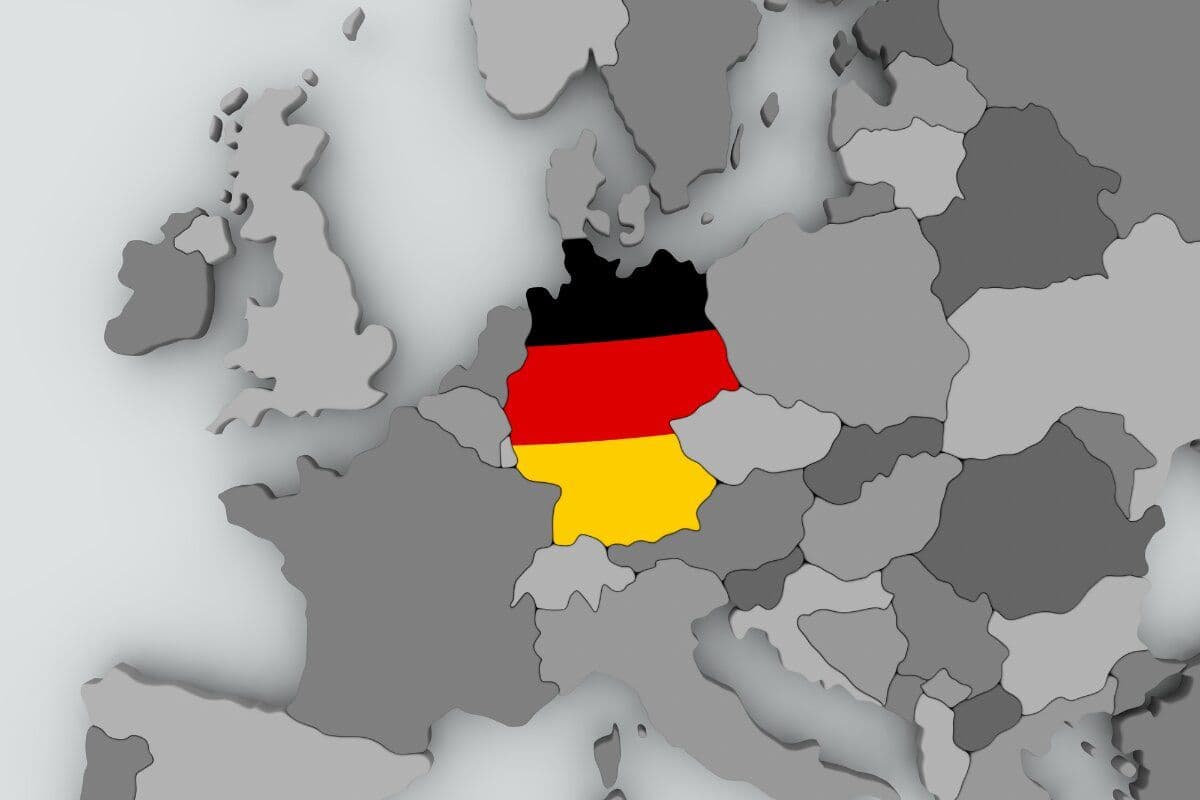
If you are setting up or running a business in Germany, you will quickly meet two acronyms that have no direct equivalent back home: DGUV and UVV. The DGUV is the Deutsche Gesetzliche Unfallversicherung, the umbrella body for Germany's statutory accident insurance institutions. The UVV are the Unfallverhütungsvorschriften, the accident prevention regulations those institutions issue. Together they sit at the heart of how Germany keeps people safe at work, and they are binding on you as an employer.
For UK and international businesses, the German system can feel unfamiliar, because it works differently from a single national regulator. It is not difficult once you understand its logic, but the businesses that treat it as just another version of their home rules tend to get caught out. Here are the eight things every employer operating in Germany needs to understand, and how to get them right wherever your business is based.
1. Germany runs a dual system
The first thing to grasp is that German workplace safety has two pillars, not one. On one side is state law, led by the Arbeitsschutzgesetz (the Occupational Safety and Health Act) and its supporting ordinances. On the other is an autonomous system of statutory accident insurance, run by the trade-sector institutions known as Berufsgenossenschaften and coordinated nationally by the DGUV.
This matters because you answer to both. Meeting the state law is necessary but not sufficient, because the accident insurance institutions impose their own binding requirements on top. Understanding that you sit inside two overlapping frameworks is the foundation everything else builds on.
2. You must register with the right accident insurance institution
Membership of the statutory accident insurance system is not optional. Every employer must register with the Berufsgenossenschaft or public-sector accident fund responsible for their industry, and must do so promptly after starting to employ people. Your contributions fund a no-fault insurance scheme that covers employees for workplace accidents and occupational illness.
Choosing the correct institution matters, because it determines which specific regulations and guidance apply to your business. Getting this step right early avoids both compliance gaps and administrative headaches later. It is one of the first things international health and safety consultants help incoming employers sort out.
3. The UVV are binding, starting with DGUV Vorschrift 1
Need Expert H&S Guidance?
Our qualified consultants can help you implement the right health & safety measures for your business.
The UVV, now issued as DGUV Vorschriften (DGUV Regulations), are mandatory accident prevention regulations for member businesses. They are not optional best practice. They carry legal force, and compliance is checked.
The cornerstone is DGUV Vorschrift 1, "Grundsätze der Prävention" (Principles of Prevention), which sets out the general duties every employer must meet: organising safety, assessing risks, instructing staff and providing first aid. If you read only one regulation as a starting point, this is the one. Our dedicated DGUV guidance explains how it applies in practice.
4. The DGUV rulebook has four tiers
German safety documentation can look overwhelming until you know it is organised into four clear categories. DGUV Vorschriften (Regulations) are binding. DGUV Regeln (Rules) explain how to meet them and reflect good practice. DGUV Informationen (Information) give practical guidance, and DGUV Grundsätze (Principles) cover testing and qualification matters.
Knowing which tier a document sits in tells you whether you are looking at a hard legal obligation or supporting guidance. The full set is searchable in the official DGUV publications database. For an unfamiliar business, sorting the binding from the advisory is exactly where expert help saves time and avoids over- or under-compliance.
5. The risk assessment (Gefährdungsbeurteilung) is the core duty
At the centre of German workplace safety sits the Gefährdungsbeurteilung, the mandatory risk assessment required under the Occupational Safety and Health Act. Every employer must systematically identify the hazards their work creates, evaluate them and document the results, then act on what they find.
This is familiar territory for any business used to risk assessment elsewhere, but the German expectation for thorough documentation is high. A strong assessment is the backbone of compliance, and rigorous health and safety audits are the best way to keep it honest and current as your operation changes.
6. You must appoint safety specialists and a company doctor
German law goes further than many systems in requiring named expertise. Under the Arbeitssicherheitsgesetz, and with scope set by DGUV Vorschrift 2, employers must appoint an occupational safety specialist, the Fachkraft fur Arbeitssicherheit, and a company doctor, the Betriebsarzt. The level of support required scales with your size and risk profile.
These are not box-ticking appointments. They are the people who help you meet your duties in practice, and the law expects them to be genuinely competent. For incoming businesses without German safety expertise in-house, securing this support correctly is an early priority rather than an afterthought.
7. You must instruct and train your people
A safe system on paper means nothing if your workforce does not understand it. German law requires regular instruction, known as Unterweisung, covering the hazards employees face and how to work safely. This must happen when people start, when things change, and at regular intervals thereafter, typically at least once a year.
Keeping that training current and provable across every site is a continual task, not a one-off. Pairing expert health and safety training with software that tracks who has been instructed and when turns a compliance risk into something you can demonstrate on demand.
8. Enforcement comes from two directions
Because Germany runs a dual system, oversight does too. The accident insurance institutions employ their own technical inspectors, who can visit your premises, advise, and order corrective measures. Alongside them, state authorities enforce the Occupational Safety and Health Act. Both can act, and serious breaches carry real consequences, from orders and fines to liability if someone is harmed.
The practical lesson is the same as everywhere: be ready before anyone arrives. A business that treats compliance as a daily standard rather than a scramble has nothing to fear from either inspector.
The German workplace safety checklist
Run these questions against your German operations. Each no answer is a gap to close.
- Are you registered with the correct statutory accident insurance institution? Yes / No
- Do you understand which DGUV Vorschriften are binding on your business? Yes / No
- Have you completed and documented a thorough Gefahrdungsbeurteilung for every site? Yes / No
- Have you appointed a competent safety specialist and company doctor? Yes / No
- Do staff receive regular, documented instruction (Unterweisung)? Yes / No
- Do audits confirm your arrangements match what the rules require? Yes / No
- Could you satisfy both a BG inspector and a state authority today? Yes / No
- For multi-country operations, is your German approach consistent with your wider standard? Yes / No
If you cannot answer yes with confidence, the gap is one a German inspector, or an injured employee's claim, could expose.
Where Arinite fits
Arinite has spent 15+ years helping UK and international businesses meet unfamiliar local obligations without getting lost in the detail. We support 1,500+ businesses across 50+ countries and have helped protect 100,000+ employees, with a 95% client retention rate. We combine practical guidance from qualified consultants with software that keeps assessments, training and records current and visible across every site.
As global health and safety consultants, we help businesses hold one high standard across borders while meeting each country's specific requirements, from the DGUV and UVV system in Germany to the equivalents elsewhere, often anchored to a recognised framework such as ISO 45001. Our Germany coverage and wider global support are built for exactly this, and the DGUV's own English-language resources set out the system in full.
The fastest way to know where you stand is a free gap analysis. Our specialists review your current arrangements and tell you plainly what is compliant and what is not. Book your free gap analysis and make sure your German operations are protected from day one.
Written by
Arinite Health & Safety Consultants
Health & Safety Expert at Arinite