Health and Safety in Retail: 9 Essentials Every UK and International Retailer Must Get Right
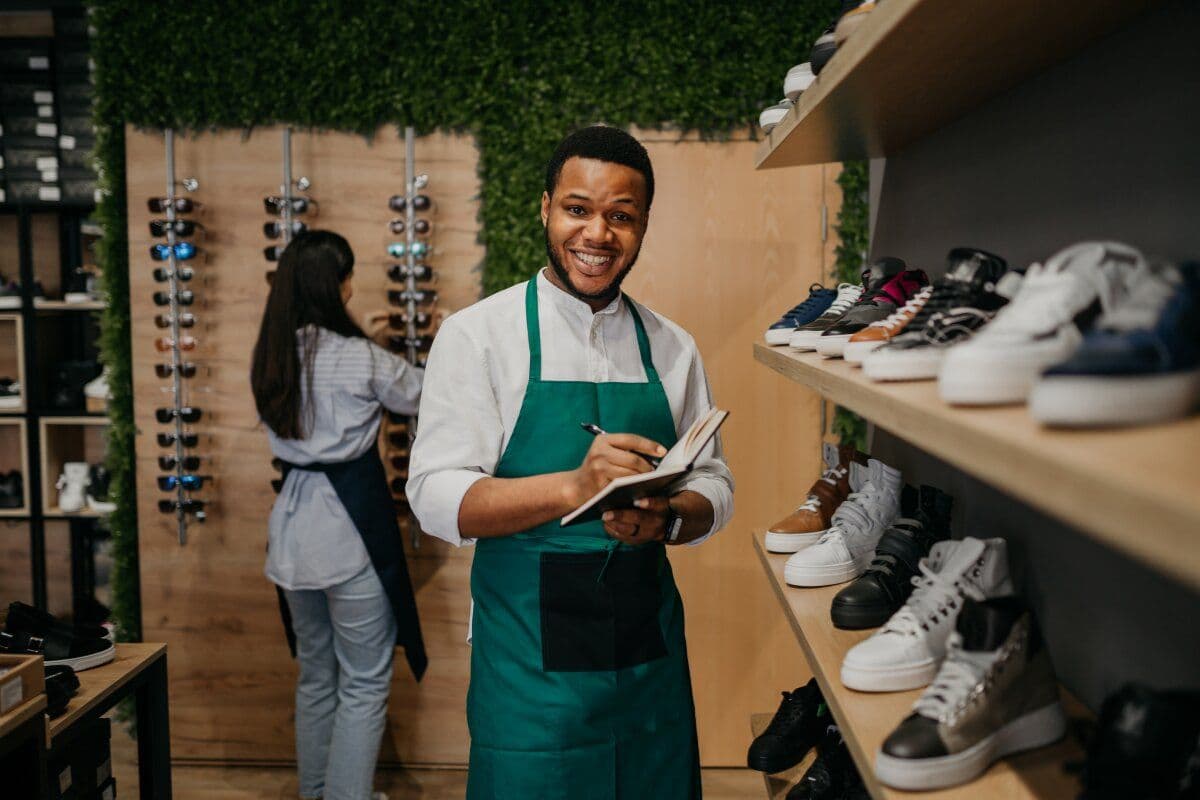
The shop floor looks calm. Customers browse, tills ring, stock moves. Yet retail remains one of the most injury-prone working environments anywhere in the world. A spilled drink near an entrance, an overloaded stockroom shelf, a lone closing shift, a busy sale day: each is a small event that can become a serious incident, a regulator visit, or a claim. For retailers operating across multiple stores, and increasingly across multiple countries, those risks multiply with every new location.
Whether you run a single UK store or a portfolio of sites spanning Europe, the Middle East and Asia, the principles of health and safety in retail are broadly consistent. What changes is the volume, the complexity and the legal framework you answer to. This is exactly where experienced health and safety consultants earn their keep, turning a tangle of local rules into one workable system.
Below are nine essentials every retailer should get right. Treat them as a working checklist, not a one-off exercise.
1. Slips, trips and falls: the number one retail risk
Slips, trips and falls are consistently the leading cause of workplace injury in retail, according to HSE statistics. Wet floors at entrances, trailing cables behind tills, cluttered aisles during restocking and uneven matting are all everyday hazards that hide in plain sight.
The fix is rarely expensive. It is procedural. Spill response routines, regular floor inspections, the right footwear for stockroom staff and clear walkways do most of the work. The harder part is making those routines consistent across every shift and every store, which is where documented risk assessments and recurring checks become non-negotiable.
2. Manual handling and stockroom safety
Deliveries, restocking and back-of-house movement put real strain on retail teams. Poor lifting technique, overstacked shelving and badly stored stock cause musculoskeletal injuries that quietly drain productivity and trigger absence.
A proper manual handling assessment looks at loads, layouts and equipment, then sets out safer methods. Trolleys, kick steps, sensible shelf heights and short refresher training reduce both injury rates and the long-term back problems that follow staff for years. Get the stockroom right and the shop floor usually follows.
3. Fire safety and clear escape routes
Need Expert H&S Guidance?
Our qualified consultants can help you implement the right health & safety measures for your business.
Retail spaces combine high stock density, electrical equipment and large numbers of unfamiliar visitors. That mix makes fire risk a board-level concern, not a tick-box. Blocked fire exits, propped fire doors and stockroom overflow into escape routes are common findings during inspections.
Every store needs a current fire risk assessment, working detection and alarm systems, unobstructed exits and staff who know the evacuation plan. For multi-site operators, the challenge is proving that the standard is identical in the flagship store and the smallest concession. A single approach, applied everywhere, is what regulators and insurers want to see.
4. Lone working, early opens and late closes
Retail runs on antisocial hours. Early deliveries, late closes and quiet midweek shifts often leave one person alone in a store, sometimes handling cash. Lone working raises the stakes for everything from a minor fall to a medical emergency, because there may be no one nearby to respond.
A lone working policy should cover check-in procedures, communication, cash handling and what happens if someone does not report in. The cost of getting this wrong is not only regulatory. It is the wellbeing of the person you asked to lock up.
5. Violence and aggression toward staff
Abuse and assaults against retail workers have risen sharply in recent years, and the issue now sits high on the agenda for unions, regulators and responsible employers alike. Theft, refused sales, queue frustration and intoxicated customers all create flashpoints.
Protecting staff means conflict de-escalation training, clear reporting procedures, considered store layouts, panic alarms where appropriate and visible management support. Recording incidents matters too: you cannot manage a risk you do not measure, and patterns across stores often reveal where intervention is needed most.
6. Workstations, screens and back-office safety
It is easy to forget that retail employs office workers too. Buyers, merchandisers, finance teams and store managers spend hours at screens. Poor display screen equipment setups cause the same eye strain, neck pain and repetitive strain issues seen in any office, and the same legal duties apply.
A simple workstation assessment, the right chair and screen position, and sensible break habits prevent problems that otherwise build slowly and expensively. The back office deserves the same attention as the shop floor.
7. Multi-site consistency: where software earns its place
One store is manageable with paperwork and goodwill. Twenty stores, or two hundred, are not. The single biggest failure point for growing retailers is inconsistency: a brilliant safety culture in one region and a neglected one in another, with head office unable to see the difference until something goes wrong.
This is where health and safety consultants and software work best together. A central platform gives every store the same risk assessments, checklists and training, while giving head office a live view of who has completed what. Combined with expert oversight, it turns scattered compliance into one auditable system. For international groups, that visibility is the difference between confident control and hopeful guesswork.
8. Audits and inspections: proof, not assumptions
Believing you are compliant and proving it are two very different things. Regular health and safety audits test your real-world arrangements against legal requirements and your own policies, then tell you exactly where the gaps are before a regulator, an insurer or an incident does.
A good audit programme is structured and repeatable: planned visits, consistent scoring, clear actions and follow-up. For retailers, audits also keep standards honest across a portfolio, because the store that knows it will be checked tends to be the store that stays ready. In the UK, the cost of being caught short can be steep. Under the HSE Fee for Intervention scheme, businesses found in material breach are charged £183 per hour from April 2025 for the regulator's time, on top of any remedial cost. You can read the official detail on the HSE Fee for Intervention page.
9. International compliance: one brand, many rulebooks
A retailer trading in the UK, Germany, the UAE and Singapore is answering to four different legal frameworks, four sets of documentation expectations and four enforcement cultures. The underlying duty to protect people is universal, reflected in global standards such as ISO 45001 and the work of the International Labour Organization. The detail is anything but.
This is the core challenge for international health and safety consultants: hold the brand to one high standard while respecting each country's specific rules. The practical answer is a single global framework with local adaptation, coordinated centrally and applied on the ground. Arinite's locations coverage is built around exactly this model, supporting UK retailers as they expand and overseas businesses operating in the UK.
The retail health and safety readiness checklist
Run through these questions for your business. If you answer no to any of them, you have found your next priority.
- Do you have a current, documented risk assessment for every store? Yes / No
- Are slips, trips and falls actively controlled and inspected on every shift? Yes / No
- Is there a fire risk assessment and a tested evacuation plan at each site? Yes / No
- Do lone workers have a check-in procedure and a way to raise the alarm? Yes / No
- Are staff trained to de-escalate conflict and report violence and aggression? Yes / No
- Have back-office and screen-based workstations been assessed? Yes / No
- Can head office see real-time compliance across every store? Yes / No
- Do you run regular, structured health and safety audits? Yes / No
- For multi-country operations, is each jurisdiction's law mapped and met? Yes / No
A clean run of yes answers is rare on the first attempt, and that is the point. The list shows you where attention is needed before it becomes an incident or an enforcement notice.
Where Arinite fits
Arinite has spent 15+ years helping businesses turn health and safety from a worry into a managed system. We support 1,500+ businesses across 50+ countries and have helped protect 100,000+ employees, with a 95% client retention rate that reflects how we work: practical advice from qualified consultants, backed by software that keeps every site visible and accountable.
For retailers, that means one standard across every store, expert support when you need it, and proof you can show to regulators, insurers and your own board. As global health and safety consultants, we coordinate compliance wherever your stores are, so you can focus on trading.
If you are not certain where your gaps are, the fastest way to find out is a free gap analysis. Our specialists review your current arrangements and tell you, honestly, what is working and what is not. Book your free gap analysis and start the year knowing exactly where you stand.
Written by
Arinite Health & Safety Consultants
Health & Safety Expert at Arinite