Health and Safety Consultants in London: What London Changes, What It Does Not, and How to Choose
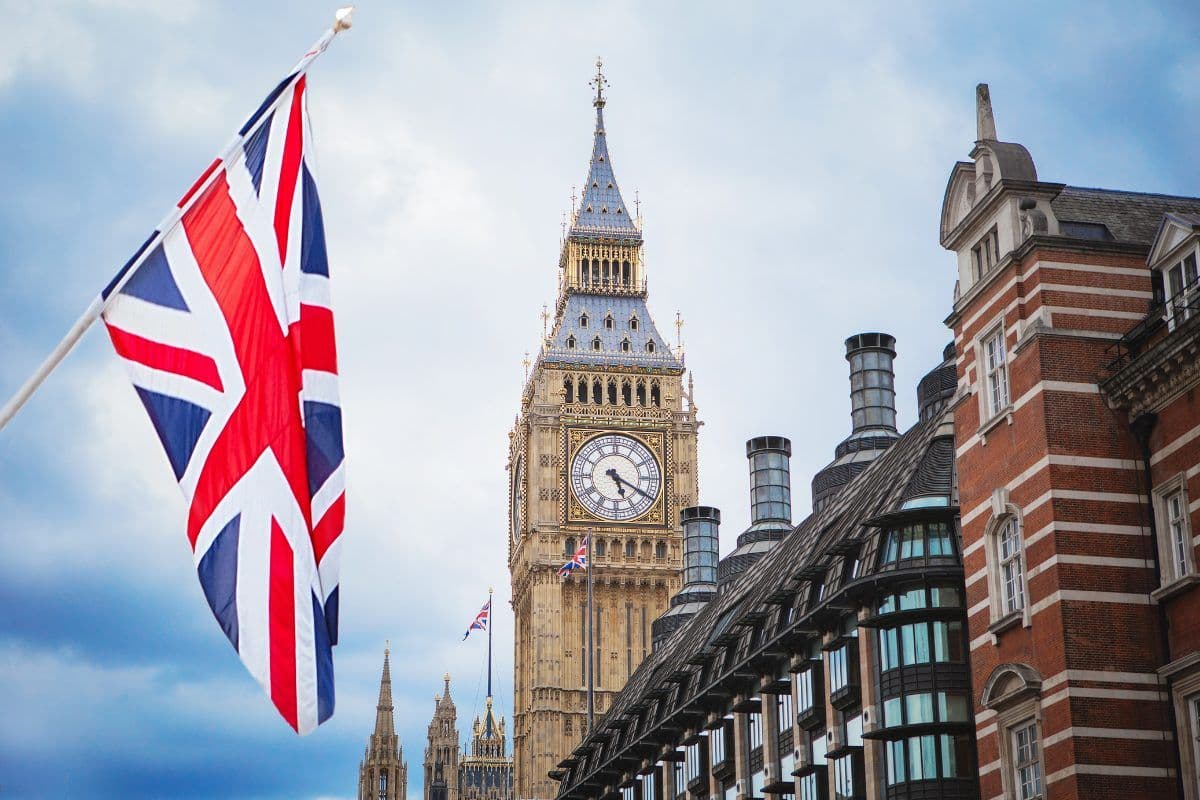
London concentrates almost everything that makes health and safety worth doing properly: the deepest pool of office-based employers in Europe, towers full of screen work, multi-tenant buildings with tangled responsibilities, businesses that scale from a Shoreditch floor to three continents, and clients, insurers and landlords who ask hard questions early. If you are searching for health and safety consultants in London, you are usually somewhere specific: growing past the point where safety can live in someone's spare hours, answering a procurement questionnaire, taking new premises, or fixing what an incident just exposed.
This guide is built for that search, in three honest parts: what being in London actually changes about your duties, what it does not change no matter what a sales pitch implies, and how to choose the right partner, including the questions that separate a consultancy from a certificate mill. Arinite is a London-headquartered consultancy and we will make our own case at the end, but the guide stands on its own.
Part one: what London actually changes
The law is national; the risk profile is London's own, and a good consultant works to the profile, not the postcode.
The buildings. London business lives in high-rise, multi-tenant and often older premises, which multiplies the questions a single-occupancy business never faces: who holds the fire risk assessment for the common parts, where your responsibility meets the landlord's, how evacuation works from the ninth floor, and what the managing agent actually maintains. A London consultant spends a striking amount of time untangling exactly this, and untangling it in writing, because "we assumed the landlord covered it" is the capital's most repeated finding.
The work. London's economy is screen work at density: finance, legal, tech, media and professional services, which makes display screen equipment, workstation ergonomics and psychosocial risk, workload, hours, pressure, the genuine heart of the risk profile, not an afterthought to it. A DSE programme that actually reaches every desk, home desks included, does more for a London office's health than almost anything else on the list, and sectors like finance and legal carry the long-hours pressures this blog has covered at length.
The enforcement detail. A point most London businesses never learn until a visit: enforcement of health and safety law is split between the HSE and local authorities, and for most offices, shops and similar premises the enforcing officer is the borough's environmental health team, not the HSE. Practically, that means inspection can arrive borough by borough, and the standard you are held to is the same national one, checked locally.
The scale path. A distinctive London pattern: businesses that are London-first and international-second, with the Dublin, New York or Singapore office arriving before the safety system was ready for one country, let alone three. If that is your trajectory, the London consultant question is really an international one arriving early, which changes the shortlist, as part three explains.
Part two: what London does not change
Now the counterweight, because London-focused marketing sometimes implies the capital has its own health and safety law. It does not. Your core duties are the national ones: assess your risks, provide a safe workplace and safe systems, consult and train your people, hold the required documents, from the written policy at five or more employees to current risk assessments, and have access to competent advice. The HSE's plain-English essentials apply in EC2 exactly as they do in Exeter.
Nor does London change what good looks like. A suitable and sufficient risk assessment describes your actual workplace; controls follow the hierarchy; actions have owners and dates; records are current and findable. And it does not change the economics of getting this wrong: the same national sentencing that ties fines to turnover reaches London turnover, which is usually the larger number.
The honest conclusion of parts one and two together: you do not need a London consultant because London law is different. You need one because London's risk profile, buildings and growth patterns reward a partner who has seen your exact situation many times, and because proximity still matters when you want a consultant walking your floor rather than emailing you a template of it.
Part three: how to choose, and the questions that sort the field
Need Expert H&S Guidance?
Our qualified consultants can help you implement the right health & safety measures for your business.
London has more health and safety consultancies than any city in Britain, which makes choosing harder, not easier. The sorting questions:
Ask who actually turns up. Some firms sell a portal and a phone number; others put a qualified consultant on your floor. For a first engagement especially, you want eyes on your actual workplace, because the findings that matter, the assumed landlord responsibilities, the desk nobody assessed, the fire door wedged for deliveries, are found by walking, not by template.
Ask for London-relevant evidence. Not logos, situations: multi-tenant fire responsibility resolved, a DSE programme delivered across hybrid teams, an office fit-out or move handled, a procurement questionnaire passed for a client like yours. A consultancy fluent in your situation quotes these unprompted.
Ask how the advice stays alive between visits. This is where consultancies genuinely differ. Advice that lands in a report and decays serves the next audit badly; advice that lands in a system, assessments, actions, training and records kept current and visible, compounds. It is why the strongest model pairs consultants and software, the expertise making the arrangements right and the platform keeping them provably right, and why we built Arinite around exactly that pairing.
Ask about the audit habit. A consultancy confident in its work invites independent checking of it. Regular health and safety audits, and specifically the readiness to be audited, separate partners building something durable from suppliers renewing a subscription, and our London audit guide covers what a good one involves here.
Ask about the map. If your business has, or will have, people beyond the UK, ask the London shortlist what happens then. Most local consultancies stop at the national border; international health and safety consultants carry one standard across every jurisdiction you enter, aligned with frameworks such as ISO 45001. Choosing for the business you are becoming, not just the one you are, is the single cheapest decision on this page.
Where Arinite fits
Arinite is a London-headquartered team of global health and safety consultants, which is exactly the combination this guide has been describing: consultants who walk London floors, backed by software that keeps every assessment, action and record current, with the reach to hold one world-class standard from the London office to every country you grow into. For 15+ years we have supported 1,500+ businesses across 50+ countries, helping protect 100,000+ employees, with a 95% client retention rate, and a large share of those relationships started precisely where you are now: a London business deciding it was time to do this properly.
The way we start every one of them is the same: a free gap analysis. A qualified consultant reviews your current arrangements against everything in this guide, the London specifics and the national fundamentals alike, and tells you plainly what is solid, what has drifted and what is missing. Book your free gap analysis and make the London consultant decision with the facts in front of you.
Written by
Arinite Health & Safety Consultants
Health & Safety Expert at Arinite