Health and Safety and the 2026 World Cup: What Employers Need to Manage
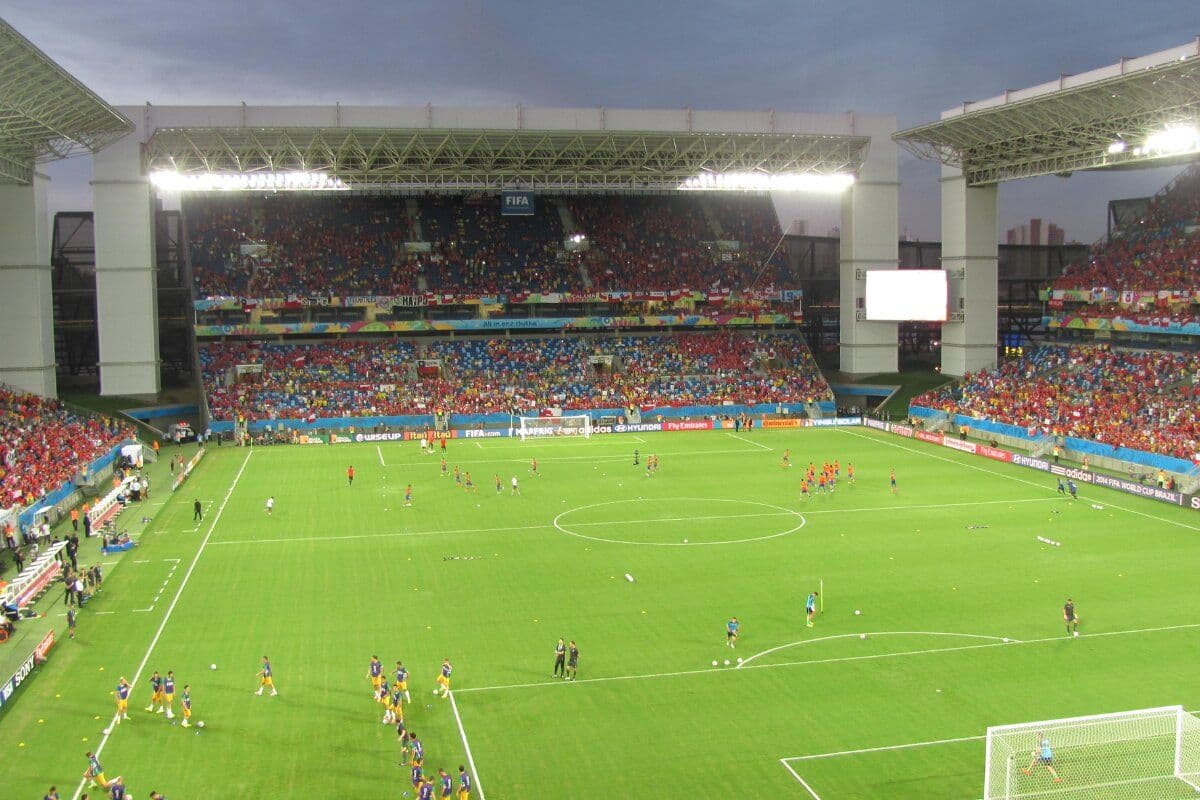
The 2026 FIFA World Cup runs from 11 June to 19 July, hosted across the United States, Canada, and Mexico, the first time three nations have co-hosted the tournament. For UK employers, the North American venues create a specific challenge that previous tournaments did not: because of the time difference, matches kick off in the UK between roughly 5pm and 5am, with many of the most-watched games falling late at night or in the small hours. For the office, technology, and finance firms that make up much of the modern UK workforce, this is not only a productivity and HR question, it is a genuine health and safety one. Fatigue from late-night viewing, the interaction of alcohol with work, heightened workplace stress, and the management of flexible and hybrid working arrangements all sit within an employer's health and safety duties. This guide explains the health and safety dimension of the World Cup period and how employers can manage it sensibly.
Why the World Cup Is a Health and Safety Issue, Not Just an HR One
When employers think about a major sporting event like the World Cup, they tend to frame it as a human resources matter: managing leave requests, attendance, and productivity. Those are real concerns, and bodies such as ACAS publish guidance on them. But there is a health and safety dimension that is frequently overlooked, and for the 2026 tournament in particular it deserves attention.
The reason is the time difference. With matches hosted across North American time zones, UK kick-offs fall in the evening and overnight, with start times varying between roughly 5pm and 5am. Employees following their team, or simply enjoying the tournament, may be staying up late or through the night to watch, then arriving at work, or logging on from home, fatigued. Fatigue is a recognised health and safety hazard, affecting concentration, judgement, reaction time, and safety-critical decision-making.
For employers, the duty under the Health and Safety at Work Act 1974 to protect employees so far as is reasonably practicable, and the duty under the Management of Health and Safety at Work Regulations 1999 to assess significant risks, extend to the foreseeable effects of a month-long event that changes sleep patterns, working arrangements, and behaviour across the workforce. Managing this well is both a compliance matter and a way to maintain a productive, healthy workplace through the summer.
Health and Safety Consultants help employers think through these foreseeable, temporary changes in risk and respond proportionately.
1. The 2026 World Cup: Why This Tournament Is Different for UK Workplaces
Understanding what makes the 2026 tournament distinctive is the starting point for managing it.
The facts: The 2026 FIFA World Cup runs from 11 June to 19 July, across 16 host cities in the United States, Canada, and Mexico. It is the first 48-team tournament and the first hosted by three nations, with matches spread across multiple North American time zones.
The time-difference effect: For UK-based employees, this is the crucial point. North American kick-off times translate to UK times running from late afternoon into the early hours, roughly 5pm to 5am. Unlike a European tournament, where most matches fall in the early evening, many 2026 matches, including potentially high-interest knockout games, will be watched late at night or overnight in the UK.
Why this matters for health and safety: A tournament that encourages employees to stay up late or overnight, sustained over five weeks, has foreseeable effects on fatigue, alertness, and wellbeing that a shorter or more conveniently timed event would not. For employers, this turns the World Cup from a pure HR scheduling question into one with a genuine health and safety dimension, particularly for any role where fatigue affects safety.
The duration: At 39 days, the tournament is not a one-off late night but a sustained period. Cumulative fatigue, and its interaction with work, is the realistic concern, not a single disrupted morning.
2. Fatigue: The Central Health and Safety Risk
Need Expert H&S Guidance?
Our qualified consultants can help you implement the right health & safety measures for your business.
Fatigue is the health and safety issue most directly created by the 2026 World Cup's scheduling, and it deserves to be understood properly rather than dismissed.
Why fatigue is a recognised hazard: Fatigue impairs concentration, slows reaction times, degrades judgement and decision-making, and increases error rates. The HSE recognises fatigue as a workplace hazard that employers should manage, particularly in safety-critical work, but its effects apply to office and knowledge work too, where impaired judgement and concentration carry their own risks.
Where fatigue matters most:
- Safety-critical and physical roles: Anyone driving for work, operating machinery, working at height, or in any safety-critical capacity, fatigue here can directly cause serious harm.
- Driving for work: Employees who drive as part of their job, or commute long distances, after late-night viewing present a genuine road-risk concern that falls within the employer's duty.
- Knowledge work: In office, tech, and finance roles, fatigue manifests as poor concentration, errors, and impaired decision-making, less dramatic but still a real performance and wellbeing issue.
What employers can do: Acknowledge the risk openly, remind employees of the importance of adequate rest, consider temporary flexibility in start times where operationally possible (allowing a later start after a late match), and pay particular attention to safety-critical roles, where it may be appropriate to reinforce that employees must not work, or drive, if impaired by fatigue. The principle is the same as for any foreseeable fatigue risk: assess it, and manage it proportionately.
3. The Stress and Wellbeing Dimension
Beyond fatigue, the World Cup period interacts with the broader and more significant issue of work-related stress, the leading cause of work-related ill health in the UK.
The two-sided effect: A major sporting event can cut both ways for workplace wellbeing. For many, it is a positive, a source of enjoyment, shared experience, and morale, which employers can harness to build engagement. For others, the pressure of trying to keep up with work while disrupted sleep and changed routines take their toll can add to existing stress, particularly in high-pressure office, tech, and finance environments already carrying significant psychosocial load.
The Management Standards lens: Under the Management of Health and Safety at Work Regulations 1999, employers must assess significant risks including psychosocial ones, and the HSE Management Standards framework, covering Demands, Control, Support, Relationships, Role, and Change, provides the methodology. The World Cup period touches several of these: Demands (managing workload alongside disrupted routines), Control (whether employees have any flexibility), and Support (how managers respond).
The practical point: Employers do not need a special stress assessment for the World Cup. But the period is a useful reminder that psychosocial risk is a live, ongoing duty, and that how an employer handles a temporary disruption like this, fairly, communicatively, and supportively, reflects the wider health of its approach to workplace wellbeing. The HSE's guidance on work-related stress sets out the expected approach.
4. Alcohol and the Workplace During the Tournament
Major football tournaments are associated with increased alcohol consumption, and this intersects with workplace health and safety in ways employers should consider.
The health and safety concern: An employee under the influence of alcohol at work is a health and safety risk, to themselves and others, particularly in safety-critical roles. The risk is heightened during a tournament where socialising around matches, sometimes during what would be working hours given the time differences, is common.
The hangover dimension: Beyond being under the influence at work, the after-effects of heavy drinking, much like fatigue, impair concentration, judgement, and reaction time the following day. Sustained over a five-week tournament, this is a foreseeable pattern, not a one-off.
What employers should do:
- Ensure the alcohol and drugs policy is clear, current, and communicated, the tournament is a good prompt to remind staff of it.
- Reinforce that being unfit for work through alcohol is a health and safety matter, not only a conduct one, especially in safety-critical roles.
- Apply the policy consistently and fairly across all employees.
- Recognise that for hybrid and home workers, the same standards of fitness for work apply, working from home does not change the duty to be fit to work safely.
The aim is not to be heavy-handed about a period of national enjoyment, but to maintain clear, consistent standards that protect everyone.
5. Flexible Working Arrangements and Their Health and Safety Implications
Many employers will, sensibly, introduce temporary flexibility during the tournament, altered hours, longer breaks, or shift swaps so staff can watch matches. ACAS guidance encourages this kind of proportionate flexibility. But flexible arrangements carry their own health and safety considerations.
Altered hours and rest: The Working Time Regulations 1998 require minimum daily and weekly rest periods and rest breaks. Where employers alter start and finish times or allow staff to work through breaks to leave early, they must ensure that statutory rest entitlements are still met. Working through breaks to leave early for a match, sustained over weeks, may undermine the rest the regulations are designed to protect.
Shift swaps and lone working: Where shift swaps are permitted, employers should ensure that cover arrangements remain safe, that swaps do not leave employees working alone without proper lone working arrangements, that adequate first aid and fire cover remains in place, and that no one ends up working excessive or poorly timed hours as a result.
Consistency and fairness: Health and safety and employment law both require fair, consistent treatment. Flexible arrangements offered for the World Cup should be available on a consistent basis, and employers should remember that not everyone follows football, equivalent fairness should apply to other interests and needs.
Document the temporary arrangements: Whatever flexibility is offered, it should be clearly communicated and, ideally, briefly documented, so expectations are clear and arrangements remain within both health and safety and employment law requirements.
6. Hybrid and Home Workers During the World Cup
The modern office, tech, and finance workforce is substantially hybrid, and home workers present specific considerations during the tournament.
The same duties apply: An employer's health and safety duties extend to employees working from home. The fitness-for-work standard, the fatigue considerations, and the alcohol considerations all apply equally to home workers, working from home does not dilute the duty or the employee's responsibility to work safely.
The blurred-boundary risk: Home workers may be more tempted to watch matches during working hours, or to work irregular hours around them, in ways that are harder to see than in an office. The concern is not surveillance but wellbeing: the World Cup can intensify the always-on, blurred-boundary pattern that already poses a psychosocial risk for home workers, late-night matches followed by early logins, work spread across odd hours.
The practical approach: Clear communication about expectations, trust combined with clarity, and a reminder that the same standards of fitness for work and reasonable working hours apply at home as in the office. For employers who manage hybrid working well, the World Cup is simply another test of arrangements that should already be robust.
7. The International Dimension: Managing a Global Workforce Across Time Zones
For the international businesses that Arinite supports, many of them office, tech, and finance firms with offices across multiple countries, the 2026 World Cup adds an international dimension that a UK-only employer does not face.
Different countries, different relationships with the tournament: A firm with offices in London, Amsterdam, New York, and beyond will find that the World Cup means different things in different locations, different home teams, different levels of interest, and crucially, different local time zones relative to the North American matches. A match that is the middle of the night in London may be early evening in New York.
The time-zone complexity: Because the tournament is hosted across North American time zones, the fatigue and scheduling effects differ by location. A globally distributed team may have colleagues watching the same match at wildly different local times, with correspondingly different effects on rest and work the next day.
Consistent principles, local application: The sensible approach mirrors good international health and safety practice generally: apply consistent principles, fairness, clarity, attention to fatigue and wellbeing, across the whole organisation, while allowing for local application that reflects each location's circumstances. Global Health and Safety Consultants help multinational employers manage exactly this kind of consistent-yet-locally-sensitive approach, not just for tournaments but as the everyday reality of managing health and safety across borders.
A useful reminder: For international firms, the World Cup is a low-stakes but vivid illustration of a permanent truth: managing a global workforce means applying consistent standards while respecting local difference, the core of international health and safety management.
8. Updating Policies for the Tournament Period
The World Cup is a good prompt to check that the relevant workplace policies are current, clear, and communicated, rather than to create new ones.
Policies to check:
- Health and safety policy: Does it address fatigue, fitness for work, and the arrangements for managing temporary changes?
- Alcohol and drugs policy: Is it clear, current, and known to staff?
- Flexible working and attendance policy: Does it set out how temporary arrangements are requested, approved, and applied consistently?
- Lone working policy: Does it cover the scenarios that shift swaps might create?
- Working time arrangements: Are rest break and rest period entitlements protected under any temporary flexibility?
Communicate early: ACAS consistently advises employers to start the conversation early, before the tournament, setting out what flexibility is and is not possible and reminding staff of the relevant policies. The same applies to the health and safety dimension: a brief, clear communication about fatigue, fitness for work, and the temporary arrangements does more good than a reactive response after problems arise.
No need to over-engineer: For most office, tech, and finance firms, this is not about elaborate new documentation. It is about confirming that existing policies are sound and communicated, and that any temporary flexibility stays within health and safety and employment law requirements. A quick review with a Health and Safety Consultant can confirm this efficiently.
9. Turning the World Cup Into a Positive for Workplace Culture
Health and safety management is not only about controlling risk, it is also about supporting a healthy, engaged workforce, and the World Cup offers a genuine opportunity here.
The morale dividend: Handled well, a major tournament can boost morale, strengthen team cohesion, and demonstrate that an employer treats its people as adults with lives outside work. Reasonable, fair flexibility, openly communicated, tends to pay back in engagement and goodwill, exactly the kind of positive psychosocial environment that good health and safety management aims to foster.
Shared events done safely: Some employers will host workplace viewing events or relax arrangements around key matches. Where they do, the ordinary health and safety considerations apply: if alcohol is served, do so responsibly; ensure any event space is safe and within fire capacity; and maintain the same duty of care as for any workplace gathering.
Inclusivity: A genuinely positive approach remembers that not everyone follows football. Fairness, ensuring that whatever flexibility or goodwill is extended for the World Cup is matched for other interests and needs, is both an employment law principle and part of a healthy, inclusive workplace culture.
The wellbeing connection: An employer that handles the tournament thoughtfully, balancing enjoyment with clear standards and genuine care for fatigue and wellbeing, reinforces the trust and psychosocial health that underpin a safe workplace year-round.
10. Sectors Where the World Cup Carries Higher Health and Safety Stakes
While office, tech, and finance firms face mainly fatigue, stress, and policy considerations, some sectors carry higher World Cup health and safety stakes and warrant particular attention.
Driving and transport: Any business whose employees drive for work faces elevated road risk from fatigue and, potentially, residual alcohol after late matches. This is among the most serious World Cup health and safety concerns, and warrants clear communication and reinforced expectations.
Construction, manufacturing, and safety-critical work: Where fatigue or impairment can directly cause serious physical harm, employers should be especially clear that employees must be fit for work, and should consider whether any temporary arrangements affect safety-critical cover.
Hospitality and retail: Pubs, bars, restaurants, and shops will be busier and may extend hours around matches. They face increased demands on staff, potential for crowd and alcohol-related issues, and the need to maintain safe staffing, fire capacity, and security, while their own staff may also be affected by the tournament.
Healthcare and emergency services: Where continuous safe cover is essential, managing leave, fatigue, and attendance carefully through the tournament is critical.
For higher-stakes sectors, a brief proportionate review of how the tournament period interacts with existing risk assessments, supported where needed by Health and Safety Consultants, is a sensible precaution.
11. A Practical Checklist for Employers
Bringing it together, here is a proportionate checklist for managing the health and safety dimension of the 2026 World Cup.
Before the tournament: - Communicate early about expectations, flexibility, and the relevant policies - Confirm the health and safety, alcohol and drugs, flexible working, and lone working policies are current and clear - Remind safety-critical and driving-for-work staff of fitness-for-work expectations - Decide and communicate what temporary flexibility, if any, is available, fairly and consistently
During the tournament: - Monitor attendance and wellbeing proportionately and consistently with normal policy - Pay attention to fatigue, particularly around high-interest late-night matches and in safety-critical roles - Ensure any temporary flexibility keeps rest breaks and rest periods within Working Time Regulations requirements - Maintain safe cover, first aid, fire, and lone working, despite any shift changes - Apply standards consistently to office, hybrid, and home workers alike
For international firms: - Apply consistent principles across all locations while allowing for local time-zone and cultural differences
Throughout: - Keep the approach proportionate, fair, and supportive, balancing enjoyment with clear standards
This is not an onerous programme. For most firms it is a matter of confirming sound policies, communicating clearly, and paying sensible attention to fatigue and fairness for five weeks.
12. How Arinite Helps Employers Manage Periods Like This
Arinite supports over 1,500 businesses across the UK and 50+ countries, including the office, technology, and finance firms for whom the 2026 World Cup is primarily a fatigue, stress, and policy question, with a 95%+ client retention rate.
How Arinite helps:
Sound, current policies: Health and safety policies and supporting arrangements that already address fatigue, fitness for work, and the management of temporary changes, so a tournament period is covered by robust everyday arrangements rather than requiring a scramble.
Psychosocial risk management: Formal stress risk assessment using the HSE Management Standards, so the workplace wellbeing that a tournament can either support or strain is being actively managed year-round.
Proportionate advice: Access to qualified Health and Safety Consultants who help employers respond proportionately to foreseeable, temporary changes in risk, neither ignoring them nor over-engineering a response.
International Health and Safety Consultants: For multinational firms, support in applying consistent health and safety principles across locations and time zones, the everyday discipline that a globally hosted tournament happens to illustrate.
Health and Safety Consultants and Software: Platforms that hold policies, record employee acknowledgement, and keep arrangements current and communicated, useful when reminding a workforce of expectations ahead of an event.
Competent person support: The ongoing competent advice that means an employer always has someone to ask when a question, foreseeable or unexpected, arises.
The 2026 World Cup is a moment of national enjoyment, and for well-prepared employers it need be no more than that. The firms that handle it best are those whose everyday health and safety management is already sound, so that a five-week tournament is simply business as usual, managed with a little extra communication and care.
Frequently Asked Questions
Is the World Cup really a health and safety issue for employers?
Yes, in a proportionate sense. The 2026 tournament's North American venues mean UK matches run late at night and overnight, creating foreseeable fatigue that can affect safety, especially in driving and safety-critical roles, alongside alcohol, stress, and flexible-working considerations. These fall within the employer's general duty to manage foreseeable risks, though for most office-based firms the response is straightforward.
What are the main health and safety risks during the World Cup?
The principal risks are fatigue from late-night and overnight viewing (affecting concentration, judgement, and safety-critical work and driving), the effects of increased alcohol consumption, heightened workplace stress interacting with disrupted routines, and ensuring temporary flexible-working arrangements still meet rest-break and lone-working requirements.
What should employers do about fatigue during the tournament?
Acknowledge the risk, remind staff of the importance of rest and fitness for work, consider proportionate flexibility in start times where operationally possible, and pay particular attention to safety-critical roles and anyone driving for work, reinforcing that they must not work or drive while impaired by fatigue.
Can employers offer flexible working for the World Cup?
Yes, and ACAS encourages proportionate flexibility such as altered hours or shift swaps. Employers must ensure that any flexibility still meets Working Time Regulations rest entitlements, maintains safe cover and lone-working arrangements, and is applied fairly and consistently across all staff, including those who do not follow football.
Do health and safety duties apply to home and hybrid workers during the World Cup?
Yes. The same standards of fitness for work, and the same fatigue and alcohol considerations, apply to home and hybrid workers as to those in the office. Working from home does not dilute the employer's duty or the employee's responsibility to work safely.
How does the World Cup affect international businesses differently?
Because the tournament is hosted across North American time zones, the fatigue and scheduling effects differ by location, a match that is overnight in London may be early evening in New York. International firms should apply consistent principles of fairness, clarity, and attention to wellbeing across all locations while allowing for local time-zone and cultural differences, the everyday discipline of international health and safety management.
Taking the Next Step
The 2026 World Cup is a chance for employers to demonstrate that they manage their people thoughtfully, balancing a period of genuine enjoyment with clear standards and real care for fatigue, wellbeing, and fairness. For firms whose everyday health and safety management is sound, it is simply business as usual with a little extra communication.
Assess your position: Take our Health and Safety Quiz to check how well your policies and arrangements would handle a period like this.
Discuss your needs: Book a free Gap Analysis Call with an Arinite consultant to review your health and safety arrangements.
Get expert support: Contact Arinite to learn how our Health and Safety Consultants support employers across the UK and 50+ countries, all year round.
Arinite provides Health and Safety Consultants and Health and Safety Audits services to over 1,500 global businesses across the UK and 50+ countries. Key external resources: HSE guidance on work-related stress | Management of Health and Safety at Work Regulations 1999 | Health and Safety at Work Act 1974 | Working Time Regulations 1998 | ACAS
Written by
Arinite Health & Safety Consultants
Health & Safety Expert at Arinite