Warehouse and Logistics Health and Safety: 7 Risks Every Operator Must Manage
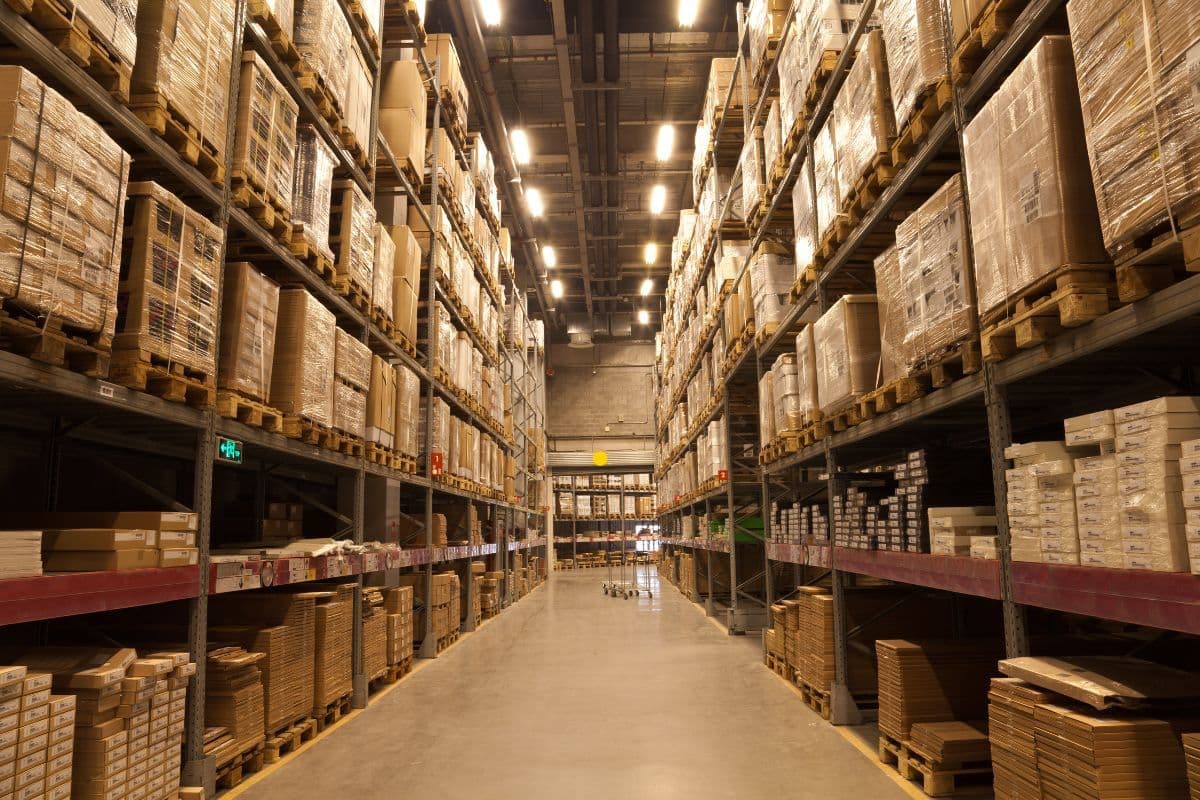
Warehousing and logistics keep the modern economy moving, and they do it in some of the busiest, most hazardous working environments there are. Vehicles and pedestrians share the same floor, heavy loads are lifted and moved constantly, goods are stacked metres into the air, and the pressure to move stock quickly never really lets up. It is a combination that produces serious injuries every year, and the businesses that stay safe are the ones that manage these risks deliberately rather than hoping their luck holds.
The encouraging part is that the major risks in warehousing and logistics are well understood and genuinely controllable. The HSE's guidance for the logistics sector sets out where the dangers lie, and none of them are mysterious. What they demand is a systematic approach: identifying each risk, controlling it properly, and checking that the controls hold. Here are the seven biggest risks every operator must manage, and how to get on top of them.
1. Workplace transport and forklifts
The single greatest danger in most warehouses is the movement of vehicles, particularly forklift trucks, around people. Collisions between vehicles and pedestrians are among the most common causes of serious and fatal injury in the sector, and they happen fast. The HSE's workplace transport guidance treats this as a priority risk for good reason.
The most effective control is physical separation: segregating vehicles and pedestrians with barriers, marked walkways and one-way systems, so the two rarely meet. This is an engineering control that works continuously, backed by trained, authorised operators and enforced site rules. Getting workplace transport right is the most important safety decision most warehouse operators make.
2. Manual handling and musculoskeletal injury
Warehousing runs on lifting, carrying and moving, and the strain adds up. Manual handling injuries, from acute back injuries to the slow accumulation of musculoskeletal damage, are consistently one of the largest causes of lost time in the sector. Fast-paced picking and repetitive movement make it worse.
Proper manual handling assessment and control is essential: providing mechanical aids, designing tasks to reduce strain, training staff in safe techniques, and organising work to avoid excessive repetition. These injuries are common, costly and largely preventable, which makes this one of the highest-value areas to get right.
3. Working at height
Need Expert H&S Guidance?
Our qualified consultants can help you implement the right health & safety measures for your business.
Racking, mezzanine floors, order picking at height and loading operations all put people to work above ground level, where a fall can be catastrophic. Working at height is a serious risk in warehousing that is easy to underestimate because it is so routine.
Controlling it means using the right equipment, such as proper access platforms rather than improvised solutions, maintaining edge protection on mezzanines, and ensuring anyone working at height is trained and supervised. The routine nature of the task is exactly what makes discipline here so important.
4. Racking and storage collapse
The racking that holds thousands of tonnes of stock is a hazard in its own right. Overloaded, damaged or poorly installed racking can fail, and a collapse can be devastating both to people nearby and to the goods themselves. Impact damage from forklifts is a frequent and dangerous cause.
Managing this means loading racking within its rated limits, inspecting it regularly for damage, repairing or isolating damaged sections promptly, and making sure it is installed and configured correctly. A structured inspection regime is the difference between catching a problem early and discovering it when the racking gives way.
5. Slips, trips and falls
Amid the bigger hazards, the humble slip or trip remains one of the most common causes of injury in any warehouse. Spills, stray packaging, trailing cables, damaged flooring and poor housekeeping all create trip points across a busy floor.
The control is largely procedural and constant: good housekeeping, prompt spill clean-up, clear gangways and regular inspection. It sounds simple, and it is, but sustaining it across every shift in a fast-moving operation takes genuine discipline and a real safety culture.
6. Fire
Warehouses combine enormous quantities of stock, packaging and, increasingly, battery-charging areas for electric vehicles and equipment, all of which raise the fire risk considerably. The scale of storage means a fire can grow and spread quickly, threatening both people and the entire operation.
A current fire risk assessment, clear and unobstructed escape routes, working detection and suppression, and safe management of charging and ignition sources are all essential. In a high-density storage environment, fire safety is a business-continuity issue as much as a safety one.
7. Fatigue and shift work
Modern logistics runs around the clock, and the long hours, night shifts and relentless pace take a toll. Fatigue impairs judgement and slows reactions, which is especially dangerous around vehicles and machinery, and it is a genuine health and safety risk that operators have a duty to manage.
Managing fatigue means sensible shift patterns, adequate breaks, realistic workloads and an awareness of how tiredness affects safety. In an industry that prizes speed and availability, protecting people from fatigue is both a duty and a sound operational decision.
The warehouse and logistics safety checklist
Run these questions across your operation. Each no answer is a priority to address.
- Are vehicles and pedestrians effectively segregated across your site? Yes / No
- Are manual handling risks assessed, with mechanical aids and training provided? Yes / No
- Is working at height properly equipped, protected and supervised? Yes / No
- Is racking loaded within limits, inspected regularly and repaired promptly? Yes / No
- Do good housekeeping and spill procedures keep gangways clear? Yes / No
- Is there a current fire risk assessment with clear escape routes and safe charging? Yes / No
- Are fatigue and shift patterns managed as a safety risk? Yes / No
- Do regular health and safety audits confirm all of this across every site? Yes / No
If you cannot answer yes with confidence, these are the gaps most likely to cause a serious incident.
Where Arinite fits
Arinite has spent 15+ years helping businesses manage demanding operational environments safely, including warehousing and logistics operators and the retail businesses whose distribution depends on them. We support 1,500+ businesses across 50+ countries and have helped protect 100,000+ employees, with a 95% client retention rate. We combine practical advice from qualified consultants with software that keeps risk assessments, inspections and records visible across every site.
As global health and safety consultants, we help warehouse and logistics operators hold one high standard across every facility, meeting local requirements while keeping the wider network consistent, and aligned with recognised frameworks such as ISO 45001. For operators with sites across several countries, our international support keeps the whole operation aligned.
The fastest way to see where you stand is a free gap analysis. Our specialists review your current arrangements and tell you plainly what is working and what is not. Book your free gap analysis and find out exactly where your business stands.
Written by
Arinite Health & Safety Consultants
Health & Safety Expert at Arinite