The Benefits of Health and Safety Software: A Complete International Guide
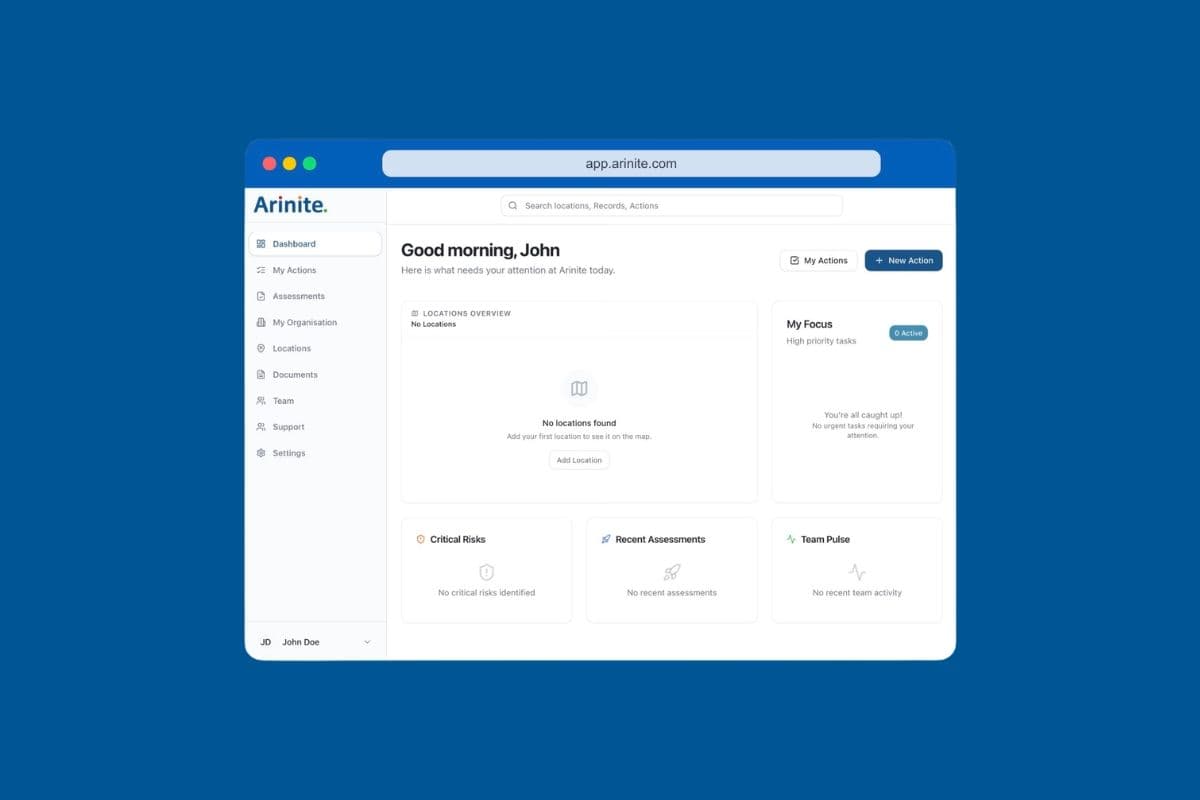
Meta Description: Comprehensive guide to health and safety software benefits for UK and international organisations. Discover how digital tools transform compliance management, risk assessment, incident reporting, and audit processes. Expert guidance from CMIOSH-qualified health and safety consultants.
Managing health and safety in the modern workplace has become increasingly complex. Organisations must track multiple regulatory requirements, document compliance activities, provide employee training, conduct risk assessments, investigate incidents, and generate reports for management and regulators. When these processes are managed manually through spreadsheets, paper forms, and disconnected systems, important steps are easily missed. Mistakes or missed deadlines can lead to significant non-compliance fines, legal issues, and harm to employees.
For organisations operating across multiple sites or international jurisdictions, the challenges multiply. Different countries maintain varying regulatory frameworks, reporting requirements, and documentation standards. Coordinating safety management across global operations using traditional methods becomes not just difficult but practically impossible.
Health and safety software addresses these challenges by providing digital platforms that centralise safety data, automate routine tasks, and enable real-time visibility across distributed operations. This comprehensive guide examines the benefits of health and safety management software for organisations of all sizes, from single-site UK businesses to multinational corporations operating across 50 or more countries.
What is Health and Safety Software?
Health and safety software, also known as Environmental Health and Safety (EHS) software or safety management software, is a digital platform designed to help organisations manage and improve their safety and health programmes. These systems centralise safety data including risk assessments, incident reports, audit findings, training records, and compliance documentation, making it easier to monitor performance, implement corrective actions, and ensure compliance with health and safety regulations.
Modern health and safety software typically operates as cloud-based solutions accessible via web browsers and mobile applications. This accessibility enables workers to report incidents, complete inspections, and access safety information from anywhere, whether in the office, on a construction site, or working remotely. The software aggregates data from various sources, allowing safety professionals and managers to gain comprehensive visibility of safety performance across the entire organisation.
Core Capabilities of Health and Safety Software
While specific features vary between software providers, most comprehensive health and safety management systems include the following core capabilities.
Risk Assessment Management
Digital risk assessment tools enable organisations to create, store, review, and share risk assessments efficiently. Features typically include customisable templates aligned with regulatory requirements, risk scoring matrices, automatic review reminders, version control, and the ability to link assessments to specific locations, activities, or equipment. Assessors can complete risk assessments on mobile devices in the field, with the information immediately available to relevant stakeholders.
Incident Reporting and Investigation
Incident management modules allow workers to quickly log and manage workplace incidents, injuries, illnesses, near misses, and hazardous conditions. Reports can include photographs, witness statements, and supporting documentation. Investigation workflows guide users through root cause analysis, ensuring consistent and thorough investigations. The software tracks corrective actions to completion and can generate regulatory reports required by bodies such as the HSE (RIDDOR in the UK), OSHA (in the US), or equivalent authorities internationally.
Audit and Inspection Management
Health and safety audits and workplace inspections become more efficient with digital tools. Organisations can build custom checklists, schedule inspections at appropriate intervals, assign auditors, and track completion. Mobile access enables inspectors to complete assessments on-site, attach photographic evidence, and raise actions immediately. Audit findings feed into analytics dashboards, helping identify trends and focus resources on areas requiring improvement.
Action and Task Management
When risks are identified, incidents occur, or audits reveal non-conformances, organisations need systems to ensure follow-through and accountability. Action management modules assign tasks to specific individuals, set due dates, track progress, send reminders, and escalate overdue items. This visibility ensures that identified issues are addressed rather than forgotten, closing the loop between hazard identification and risk control.
Training Records Management
Maintaining accurate training records is essential for compliance and competence management. Software systems track employee training completion, certifications, and refresher requirements. Automated alerts notify managers when training is due for renewal, ensuring continuous compliance. Some platforms integrate e-learning capabilities, allowing organisations to deliver safety training online and automatically record completion.
Document Control
Health and safety management generates substantial documentation including policies, procedures, safe systems of work, safety data sheets, and compliance certificates. Document management features provide centralised storage with version control, approval workflows, and controlled distribution. Users can access current documents from anywhere, eliminating reliance on potentially outdated printed copies.
Reporting and Analytics
One of the most valuable aspects of health and safety software is the ability to analyse data and generate insights. Dashboards provide real-time visibility of key performance indicators such as incident rates, inspection completion, action closure, and training compliance. Trend analysis helps identify patterns and emerging risks before they result in serious incidents. Customisable reports support management reviews, board reporting, and regulatory submissions.
Multi-Site and International Consolidation
For organisations with multiple locations, software provides the ability to consolidate safety data across sites while maintaining local accountability. Global health and safety consultants working with international clients find this capability essential for establishing consistent standards and comparing performance across different countries and business units. Multi-language support and configurable workflows accommodate varying local requirements while maintaining corporate oversight.
Key Benefits of Health and Safety Software
Need Expert H&S Guidance?
Our qualified consultants can help you implement the right health & safety measures for your business.
Implementing health and safety management software delivers numerous benefits that extend beyond simple digitisation of existing processes.
Improved Regulatory Compliance
Maintaining compliance with health and safety regulations is a fundamental requirement for all organisations. Software helps ensure compliance by providing built-in alerts for regulatory deadlines, structured workflows that guide users through required processes, automatic documentation of compliance activities, audit trails demonstrating due diligence, and templates aligned with regulatory requirements.
For organisations operating internationally, software can accommodate different regulatory requirements across jurisdictions. International health and safety consultants can configure systems to meet local legislation in each country while maintaining visibility of global compliance status.
Enhanced Real-Time Visibility
Traditional safety management often relies on periodic reporting, meaning management only sees safety performance data weeks or months after events occur. Software provides real-time dashboards showing current status across all safety metrics. When an incident occurs at a remote site, senior management can be aware within minutes rather than waiting for the next monthly report. This visibility enables faster decision-making and more responsive safety management.
Increased Workforce Engagement
Mobile-optimised safety tools make it easy for workers to participate in safety activities wherever they are. When reporting a hazard takes thirty seconds on a smartphone rather than finding paperwork, completing forms, and submitting through multiple channels, workers are far more likely to report. Higher reporting rates mean more hazards are identified and addressed before they cause harm. Some organisations have seen incident close-out rates rise from under 60% to over 98% after implementing mobile-enabled safety software.
More Proactive Risk Management
When safety data is centralised and analysed systematically, organisations can shift from reactive to proactive safety management. Instead of responding to incidents after they occur, trend analysis and predictive insights help identify risks before they result in harm. Advanced systems now incorporate artificial intelligence to analyse incident data, identify patterns, and surface emerging risks automatically. This proactive approach fundamentally changes how organisations manage safety.
Significant Time and Cost Savings
Automating manual processes saves substantial time for safety professionals, managers, and workers. Tasks that previously required hours of administrative effort can be completed in minutes. Consider the time saved when risk assessments can be copied and adapted rather than created from scratch, when audit checklists populate automatically, when reports generate themselves from underlying data, and when training reminders send automatically without manual tracking.
Beyond time savings, effective safety management reduces costs associated with workplace injuries. These include direct costs such as medical expenses, compensation claims, and regulatory fines, as well as indirect costs including lost productivity, recruitment and training of replacement staff, equipment damage, and reputational harm. Organisations that invest in robust safety management systems typically see significant return on investment through reduced incident costs.
Better Data-Driven Decision Making
EHS professionals need clear, actionable data to support critical decisions about resource allocation, programme priorities, and risk mitigation strategies. Software provides the analytical tools to identify where safety investments will have the greatest impact, which sites or activities present the highest risks, whether improvement programmes are delivering results, and how performance compares against benchmarks and targets.
This evidence-based approach strengthens the business case for safety investments and helps safety professionals communicate effectively with senior leadership about safety performance and priorities.
Consistent Standards Across Operations
For organisations with multiple sites or international operations, maintaining consistent safety standards is challenging when each location manages safety independently. Software enables standardisation of processes, templates, and reporting while accommodating necessary local variations. Global health and safety consultants can establish corporate standards that apply everywhere, with local teams able to add jurisdiction-specific requirements where needed.
Support for ISO 45001 and Management Systems
Organisations pursuing ISO 45001 certification or maintaining other occupational health and safety management systems benefit significantly from software support. The systematic approach required by ISO 45001, including documented processes, objective evidence, and continual improvement, aligns naturally with software capabilities. Many health and safety software platforms are specifically designed to support ISO 45001 requirements, helping organisations achieve and maintain certification more efficiently.
|
Looking for Health and Safety Consultants and Software Support? Arinite's CMIOSH-qualified health and safety consultants help organisations select, implement, and optimise health and safety software solutions. With experience supporting over 1,500 UK businesses and organisations across 50+ countries, we understand how to leverage technology effectively for safety management. Our services include software selection guidance, implementation support, process design, and integration with existing management systems. Book your free 30-minute Gap Analysis Call to discuss your requirements. +44 (0)20 7947 9581 | www.arinite.com |
International Considerations for Health and Safety Software
Organisations operating across multiple countries face particular considerations when selecting and implementing health and safety software.
Accommodating Regulatory Variation
Different countries maintain different health and safety regulatory frameworks. The UK operates under the Health and Safety at Work Act and supporting regulations. European Union member states implement EU directives through national legislation. The United States has OSHA requirements at federal level with additional state-specific rules. Australia uses the model Work Health and Safety Act adopted in most states. Other jurisdictions have their own distinct approaches.
Effective international health and safety software must be configurable to accommodate these variations. Risk assessment templates may need different formats or content for different countries. Incident reporting requirements vary, with different triggers, timeframes, and authorities. Audit checklists must reflect local regulatory requirements while maintaining global corporate standards.
Language and Cultural Considerations
Workforce engagement with safety software depends on accessibility in local languages. Multi-language support enables workers to report incidents, complete inspections, and access safety information in their native language. This not only improves usability but ensures that safety-critical communications are clearly understood.
Cultural factors also influence how safety programmes are received and implemented. Software implementation should consider local working practices, reporting cultures, and attitudes towards safety. International health and safety consultants can advise on adapting software configurations and processes to suit different cultural contexts while maintaining consistent safety standards.
Data Privacy and Security
Health and safety data often includes personal information about employees, particularly in relation to incidents, injuries, and health surveillance. Organisations must ensure that software providers comply with applicable data protection regulations, including GDPR in Europe and equivalent legislation elsewhere. Considerations include where data is stored and processed, who has access to personal data, how long data is retained, and what security measures protect the information.
Selecting the Right Health and Safety Software
With numerous health and safety software options available, selecting the right solution requires careful consideration of organisational needs and software capabilities.
Key Selection Criteria
Ease of use: Software that is difficult to navigate will not be adopted by workers. Look for intuitive interfaces, mobile optimisation, and minimal training requirements for basic functions.
Configurability: Every organisation has unique processes and requirements. Software should be configurable to match your workflows rather than forcing you to adopt the vendor's predetermined approach.
Scalability: Consider both current needs and future growth. Software should scale as your organisation expands, whether adding users, sites, or additional functionality.
Integration capabilities: Health and safety software works best when connected with other business systems such as HR, facilities management, and enterprise resource planning. Evaluate integration options and APIs.
Support and training: Implementing new software requires support during setup and ongoing assistance. Evaluate the vendor's implementation approach, training resources, and customer support availability.
Total cost of ownership: Consider not just subscription or licence fees but implementation costs, training costs, and ongoing administration requirements. The cheapest option upfront may not deliver the best value overall.
The Role of Health and Safety Consultants
Health and safety consultants play an important role in helping organisations realise the benefits of safety software. While software provides powerful tools, effective use requires safety expertise to configure systems appropriately, design efficient processes, and interpret data meaningfully.
Consultants can assist with needs assessment to determine which software capabilities are most important for your organisation, software selection by evaluating options against your specific requirements, implementation planning including data migration, process design, and change management, configuration and customisation to align software with your management system and regulatory requirements, training development to ensure staff can use the system effectively, and ongoing optimisation as requirements evolve and new features become available.
For organisations operating internationally, global health and safety consultants bring additional value through understanding of different regulatory requirements, experience with multi-site implementations, and ability to balance global consistency with local needs.
Keys to Successful Implementation
Software implementation success depends on more than just selecting the right product. The following factors contribute to successful outcomes.
Executive sponsorship: Visible support from senior leadership signals organisational commitment and helps overcome resistance to change.
Clear objectives: Define what success looks like before implementation begins. Establish measurable goals and track progress against them.
User involvement: Involve end users in configuration decisions and pilot testing. Their input improves usability and builds buy-in.
Phased rollout: Implementing all capabilities simultaneously can overwhelm users. Consider phased approaches that allow learning and adjustment.
Adequate training: Invest in training for all user groups. Different roles may need different training approaches and depth.
Continuous improvement: Implementation is not a one-time event. Regularly review usage, gather feedback, and refine configurations to maximise value.
Conclusion
Health and safety software has transformed how organisations manage workplace safety. By centralising data, automating processes, enabling mobile access, and providing analytical insights, these digital tools deliver benefits that far exceed what is possible with traditional manual approaches.
The benefits include improved regulatory compliance through structured processes and automatic documentation, enhanced real-time visibility of safety performance across distributed operations, increased workforce engagement through accessible mobile tools, more proactive risk management enabled by data analysis and trend identification, significant time and cost savings through automation, better data-driven decision making, consistent standards across multiple sites and countries, and effective support for ISO 45001 and other management systems.
For organisations operating internationally, software provides the capability to manage global safety programmes while accommodating local regulatory requirements, languages, and cultural factors.
Realising these benefits requires careful software selection, thoughtful implementation, and ongoing optimisation. Health and safety consultants and software specialists working together can help organisations leverage technology effectively to protect workers, ensure compliance, and drive continuous improvement in safety performance.
|
Partner with Arinite for Complete Safety Management Solutions Whether you are selecting health and safety software for the first time, optimising an existing system, or seeking to integrate software with broader safety management programmes, Arinite can help. Our CMIOSH-qualified international health and safety consultants combine deep safety expertise with practical experience of software implementation across UK businesses and organisations in 50+ countries worldwide. Our "Keeping It Simple" philosophy ensures you get solutions that work in practice, not just in theory. |
Written by
Arinite Health & Safety Consultants
Health & Safety Expert at Arinite