Tech Health and Safety in Ireland: 7 Priorities for Dublin and Global Firms
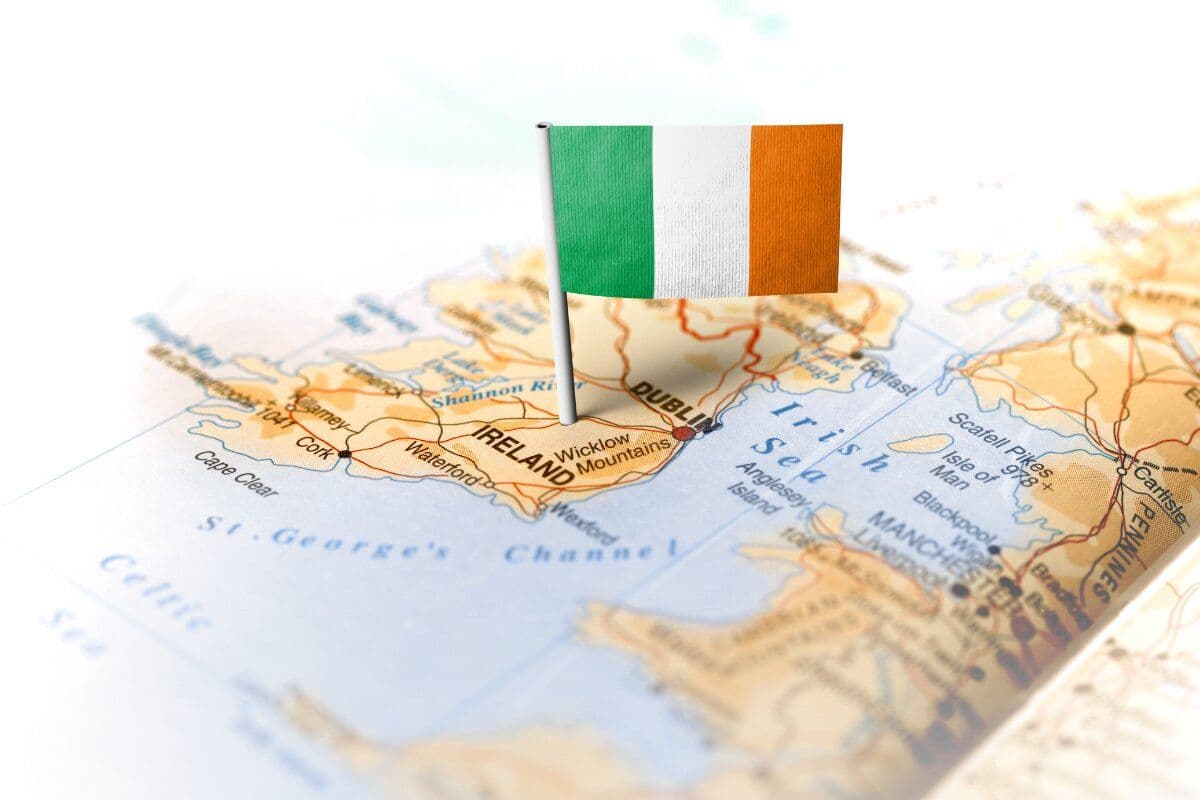
Dublin has become one of Europe's most important technology hubs. Global software, cloud and AI businesses base their EMEA operations there, a dense cluster of data centres powers the region, and a thriving homegrown tech scene sits alongside them. For all these businesses, health and safety in Ireland comes with its own framework, its own terminology and its own expectations, which differ from the UK and elsewhere in ways that catch incoming employers out.
The reassuring news is that the principles are familiar, even if the specifics are not. Ireland has a clear, well-established system, and meeting it is straightforward once you know how it works. Whether you are a multinational setting up an Irish base or a growing Dublin tech firm, here are seven priorities to get right, and how expert support makes them manageable wherever your business is headquartered.
1. Understand the Irish framework
Health and safety in Ireland is governed by the Safety, Health and Welfare at Work Act 2005, and regulated by the Health and Safety Authority, or HSA. The HSA sets out employers' duties in detail, and the 2005 Act is the foundation everything else rests on.
If you are used to the UK's Health and Safety Executive or another country's system, the shape will feel recognisable, but the details, the terminology and the enforcing body are different. Knowing which framework you are actually answering to is the first step, and it matters especially for businesses running operations in several countries at once.
2. Prepare your Safety Statement and risk assessments
Here is a term that surprises many incoming employers: in Ireland, businesses are required to prepare a written Safety Statement. It sets out how the organisation manages health and safety, based on an assessment of the risks in the workplace, and it is a specific legal requirement rather than an optional document.
Alongside it, risk assessments must identify the hazards your work creates and the controls in place. For tech businesses, that includes the screen-based, office and infrastructure risks that are easy to underestimate. Getting the Safety Statement and assessments right, and keeping them current, is the backbone of Irish compliance.
3. Display screen equipment assessments
Need Expert H&S Guidance?
Our qualified consultants can help you implement the right health & safety measures for your business.
Tech work is screen work, and Irish regulations require employers to assess the workstations of employees who use display screen equipment, often referred to as VDUs. With practically the entire workforce at a screen all day, this is one of the most relevant duties a tech company has.
A proper display screen assessment checks the chair, screen, keyboard and posture, and identifies the support each person needs. The musculoskeletal problems that poor setups cause are common, costly and entirely preventable, which makes this a priority rather than a formality for software and IT teams.
4. Work-related stress and wellbeing
The intensity that drives tech performance also drives work-related stress, and Irish employers have duties around psychosocial risk just as they do around physical hazards. Long hours, deadline pressure and always-on culture are as present in Dublin's tech scene as anywhere, and burnout is a genuine health and safety concern, not just an HR one.
Managing it means assessing the causes of pressure, setting realistic demands and giving people genuine routes to support. Treating wellbeing as a managed duty rather than an afterthought protects both your people and the output that depends on them.
5. Hybrid and remote working
Dublin's tech sector is heavily hybrid, and your duty of care does not stop at the office door. Homeworkers and hybrid staff use screens in setups that are often worse than the office provides, and they face the added factors of isolation and blurred boundaries.
Extending health and safety to wherever people actually work, with home workstation assessments and regular contact, keeps remote staff inside the safety net. For businesses with staff spread across Ireland and beyond, consistency here is both a duty and a practical challenge worth solving properly.
6. Data centres and lone working
Ireland, and Dublin in particular, is one of the world's great data centre concentrations, and these facilities carry serious, specific risks: high-voltage power, fire suppression systems and technicians frequently working alone, often out of hours. A lone engineer near live systems at night is a textbook high-risk scenario.
For AI and data businesses operating or relying on this infrastructure, assessing lone working and the specific hazards of technical spaces is essential. These are not office risks, and they need their own attention, with clear procedures, communication and escalation for anyone working alone.
7. Multi-site and international consistency
Because so many Dublin tech operations are the Irish arm of a larger international business, one of the biggest challenges is consistency. A brilliant safety culture at head office means little if the Irish site, or any other, is held to a different standard, and leadership often cannot see the difference until something goes wrong.
This is where international health and safety consultants prove their value, holding one high standard across every country while meeting each jurisdiction's specific rules, from the Irish system to the equivalents elsewhere. Combined with software that gives central visibility, it turns a multi-country operation into something genuinely managed and aligned with recognised frameworks such as ISO 45001.
The Ireland tech readiness checklist
Run these questions across your Irish operations. Each no answer is a priority to address.
- Do you understand your duties under the Irish 2005 Act and to the HSA? Yes / No
- Do you have a current written Safety Statement and supporting risk assessments? Yes / No
- Has every screen user had a display screen equipment assessment? Yes / No
- Is work-related stress assessed and managed as a health and safety risk? Yes / No
- Are hybrid and remote workers covered by your arrangements? Yes / No
- Are data centre and lone working risks specifically assessed where relevant? Yes / No
- For international operations, is your Irish standard consistent with the rest of the group? Yes / No
- Do regular health and safety audits confirm all of this in practice? Yes / No
If you cannot answer yes with confidence, the gaps are ones an HSA inspector, or an incident, could expose.
Where Arinite fits
Arinite has spent 15+ years helping technology businesses meet local health and safety obligations without getting lost in unfamiliar rules, in Ireland and around the world. We support 1,500+ businesses across 50+ countries and have helped protect 100,000+ employees, with a 95% client retention rate. We combine practical advice from qualified consultants with software that keeps every site visible and accountable.
As global health and safety consultants, we help tech businesses hold one high standard across every location, meeting Irish requirements while keeping the wider international picture consistent. Whether you are a multinational establishing a Dublin base or an Irish firm scaling fast, the goal is the same: compliance you can prove, wherever you operate.
The fastest way to see where you stand is a free gap analysis. Our specialists review your current arrangements and tell you plainly what is working and what is not. Book your free gap analysis and find out exactly where your business stands.
Written by
Arinite Health & Safety Consultants
Health & Safety Expert at Arinite