Tech Health and Safety in Estonia: 6 Priorities for Tallinn and Global Firms
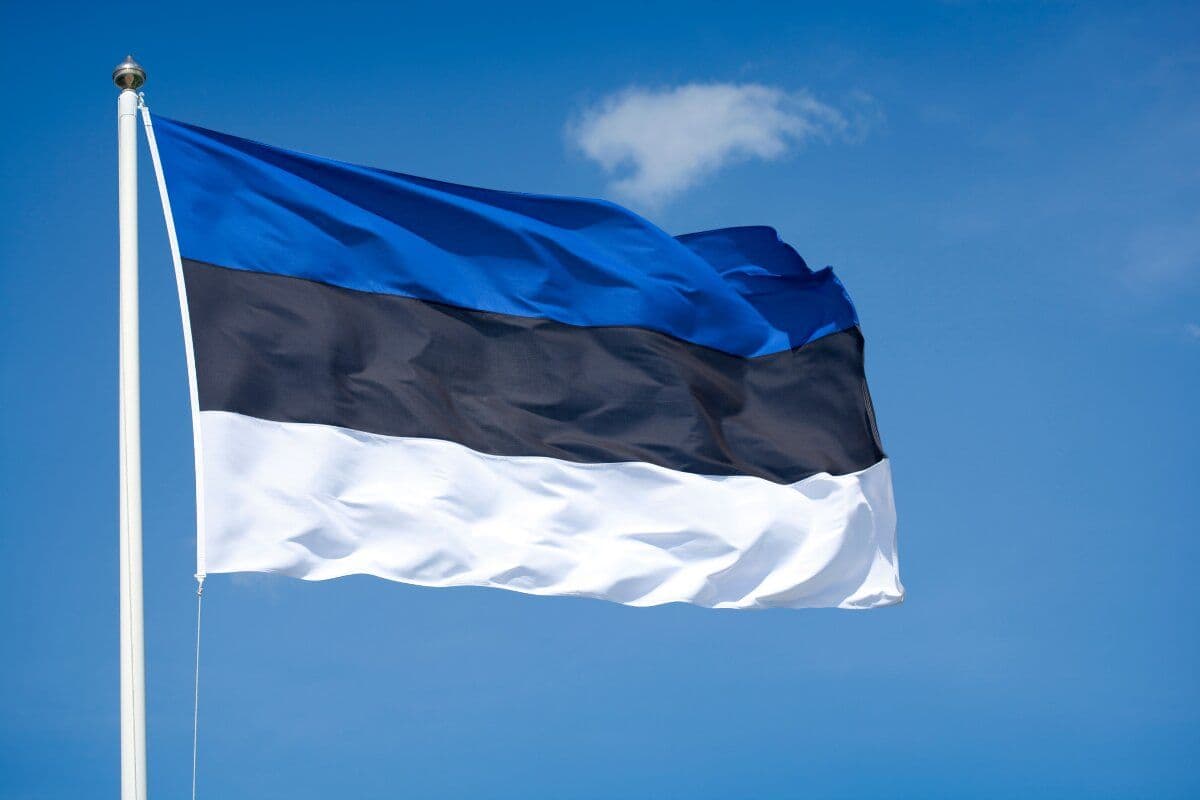
Estonia has built a global reputation far larger than its size. The world's most digital-first nation has produced a remarkable string of technology successes, and Tallinn's startup scene attracts founders, engineers and international firms from everywhere, drawn by e-residency, digital government and a culture that treats technology as native. For all of these businesses, health and safety in Estonia comes with its own framework, its own required roles and its own expectations, which reward understanding from the very first hire.
The Estonian system is clear and pragmatic, much like the country's approach to everything digital. The principles will be familiar to any tech business, but several features are specifically Estonian, and getting them right early is far easier than retrofitting them later. Whether you are a global firm establishing a Tallinn base, an e-resident founder building a team, or a growing Estonian scale-up, here are six priorities, and how expert support makes them manageable wherever your business is headquartered.
1. Understand the OHS Act and the Labour Inspectorate
Health and safety in Estonia is governed by the Occupational Health and Safety Act, and enforced by the Labour Inspectorate, known as Tooinspektsioon. The Labour Inspectorate's English-language guidance sets out employers' duties, and Estonia, true to form, publishes an official English translation of the Act itself, which makes the framework unusually accessible to international businesses.
If you are used to another country's system, the shape will feel familiar, but the law, the regulator and the specific requirements are Estonia's own. Knowing which framework you are answering to is the first step, and it matters especially for firms running distributed teams across several countries.
2. Carry out the mandatory risk analysis
At the core of Estonian compliance is the working environment risk analysis, which every employer must carry out. It identifies the hazards in the workplace, assesses the risks to health, and must lead to a written action plan setting out the measures you will take. It is a legal requirement, not a best-practice option, and it must be kept current as the business changes.
For tech firms, that means honestly assessing the screen-based, ergonomic and psychosocial risks that dominate digital work, not just the physical basics. A thorough, documented risk analysis is the backbone of Estonian compliance, and regular health and safety audits keep it aligned with how the business actually operates.
3. Appoint a working environment specialist
Need Expert H&S Guidance?
Our qualified consultants can help you implement the right health & safety measures for your business.
Estonian law requires every employer to have a working environment specialist, a competent person responsible for occupational health and safety in the company. Depending on workforce size, businesses must also arrange for working environment representatives elected by employees, giving staff a formal voice in safety matters.
For incoming tech firms without Estonian health and safety expertise in-house, meeting this requirement correctly is an early structural task rather than an afterthought. It is exactly the kind of local obligation where international health and safety consultants help businesses get set up properly from day one.
4. Screen work, ergonomics and the digital workplace
Tech work is screen work, and Estonian regulations address display screen work specifically, requiring employers to assess workstations and protect employees who spend their days at a screen. In the most digital country in Europe, this duty covers practically everyone in a tech business.
A proper display screen and workstation assessment checks the chair, screen, keyboard and posture, and identifies the support each person needs. The musculoskeletal problems caused by poor setups build slowly and are entirely preventable, which makes this a priority rather than a formality for software and IT teams.
5. Remote work and psychosocial wellbeing
Estonia pioneered digital work, and its tech sector is heavily remote and hybrid, with distributed teams the norm rather than the exception. Your duty of care follows your people wherever they work, and Estonian practice increasingly expects employers to address remote working conditions and the psychosocial side of work, including workload and stress, as genuine occupational health matters. The national Tooelu work-life portal reflects how seriously Estonia takes the modern working environment.
For tech businesses, this means extending workstation assessment and support to home workers, keeping distributed staff genuinely connected rather than isolated, and treating the intensity of startup culture as a risk to manage. This connects directly to the challenges facing AI and data businesses everywhere, and Estonia's digital-first workforce feels them early.
6. One consistent standard across the group and internationally
Because so many Tallinn tech operations are part of international groups, or are Estonian companies expanding rapidly abroad, consistency is often the defining challenge. A strong safety culture in one office counts for little if another, in a different country, is held to a different standard, and leadership frequently cannot see the difference until a problem arises.
This is where the combination of expertise and technology proves its worth. As global health and safety consultants, we help firms hold one high standard across every location while meeting each jurisdiction's specific rules, from Estonia's OHS Act to the equivalents elsewhere. Backed by software that gives central visibility and aligned with recognised frameworks such as ISO 45001, it turns a distributed, multi-country operation into something genuinely managed, which is what world-class health and safety looks like in practice.
The Estonia tech readiness checklist
Run these questions across your Estonian operations. Each no answer is a priority to address.
- Do you understand your duties under the OHS Act and to the Labour Inspectorate? Yes / No
- Have you carried out a working environment risk analysis with a written action plan? Yes / No
- Have you appointed a working environment specialist, and representatives where required? Yes / No
- Has every screen user had a display screen equipment assessment? Yes / No
- Are remote workers and psychosocial risks covered by your arrangements? Yes / No
- Do regular health and safety audits confirm all of this in practice? Yes / No
- For international operations, is your Estonian standard consistent with the group? Yes / No
If you cannot answer yes with confidence, the gaps are ones the Labour Inspectorate, or an incident, could expose.
Where Arinite fits
Arinite has spent 15+ years helping technology businesses meet local health and safety obligations without getting lost in unfamiliar rules, in Estonia and around the world. We support 1,500+ businesses across 50+ countries and have helped protect 100,000+ employees, with a 95% client retention rate. We combine practical advice from qualified consultants with software that keeps every site, and every remote worker, visible and accountable.
As international health and safety consultants, we help tech firms hold one world-class standard across every location, meeting Estonia's requirements while keeping the wider international picture consistent. Whether you are a global firm establishing a Tallinn base, an e-resident founder hiring your first employees, or an Estonian scale-up going global, the goal is the same: compliance you can prove, wherever you operate.
The fastest way to see where you stand is a free gap analysis. Our specialists review your current arrangements and tell you plainly what is working and what is not. Book your free gap analysis and find out exactly where your business stands.
Written by
Arinite Health & Safety Consultants
Health & Safety Expert at Arinite