Gym Health and Safety Consulting: Complete Guide for UK and International Fitness Facilities
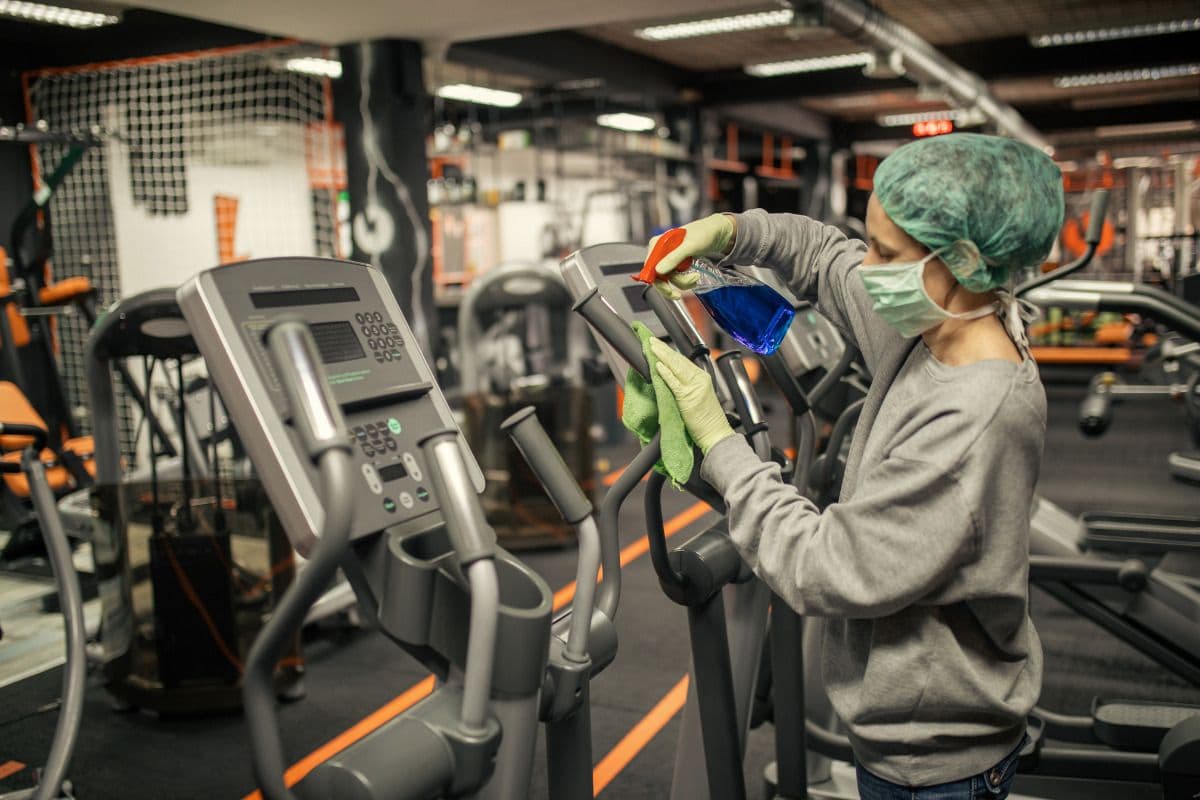
Gyms and fitness facilities present unique health and safety challenges. From equipment hazards and member injuries to hygiene standards and emergency response, fitness operators must protect both staff and the public while creating an environment that encourages physical activity. This comprehensive guide explains why specialist Health and Safety Consultants are essential for gyms and how they help operators achieve compliance and protect everyone who uses their facilities.
Introduction: Health and Safety in Fitness Facilities
The UK fitness industry continues to grow strongly. According to the ukactive 2025 Market Report, the UK health and fitness market now serves around 11.5 million members and delivers over £5.7 billion in annual revenue. With this growth comes significant responsibility for member and staff safety.
Research shows that 41% of gym users have suffered injuries during their fitness journey. In 2021, there were over 409,000 injuries caused by exercise equipment in the US alone, representing an 8.3% increase from the previous year. While many injuries result from user error or overexertion, a significant proportion involve equipment failures, inadequate supervision, or poor facility management.
Gyms are considered "high risk" environments due to the potential for injuries, accidents, and equipment misuse. Unlike many workplaces, gyms serve members of the public with varying fitness levels, experience, and health conditions, all using potentially hazardous equipment.
Finding Health and Safety Consultants with genuine fitness sector expertise helps gym operators navigate these challenges effectively.
Understanding Gym Health and Safety Risks
Fitness facilities present distinctive hazards requiring specialist approaches.
Equipment-Related Injuries
Gym equipment poses significant risks if not properly maintained, used correctly, or adequately supervised.
Weight training equipment: - Weight racks account for approximately 25.4% of gym injuries - Crushing injuries from dropped weights or weight stack failures - Entrapment in moving parts of resistance machines - Impact injuries from dropped kettlebells, medicine balls, or plates - Equipment failure from poor maintenance or incorrect assembly
Cardiovascular equipment: - Treadmills account for approximately 25.0% of gym injuries - Falls from treadmills and other motorised equipment (70.7% of treadmill injuries) - Exercise bikes contribute to 17.1% of injuries - Cross trainers account for 15.3% of injuries - Pull-up bars complete the top five most dangerous equipment (15.2%)
Prevention measures: - Regular equipment inspection and maintenance - Manufacturer guidelines adherence - Staff training on equipment operation - Member inductions covering equipment use - Adequate spacing between machines - Emergency stop procedures - Prompt removal of faulty equipment
Slips, Trips, and Falls
Falls account for 12.5% of fitness-related injuries treated in emergency departments. Gym environments create multiple slip, trip, and fall hazards.
Common causes: - Wet floors from sweat, spilled drinks, or cleaning - Condensation in pool and spa areas - Trip hazards from equipment, cables, or dumbbells left on floors - Uneven surfaces or damaged flooring - Inadequate lighting - Rushing between equipment - Fatigue affecting balance and coordination
Prevention measures: - Regular cleaning with appropriate drying - Prompt spillage response - Equipment storage and return policies - Floor maintenance and repair - Adequate lighting throughout - Clear walkways and access routes - Warning signage during cleaning
Overexertion and Strain Injuries
While many overexertion injuries result from member behaviour, gyms have duties to provide adequate information, instruction, and supervision.
Risk factors: - Members attempting exercises beyond their capability - Inadequate warm-up - Poor technique - Fatigue - Returning to exercise after breaks - January "new year resolution" surges
Prevention measures: - Comprehensive member inductions - Clear equipment instructions - Staff supervision on gym floor - Personal training availability - Guidance on progressive training - Information on warm-up importance
Hygiene and Infection Control
Gyms create conditions where infections can spread easily. Equipment handles, mats, and changing facilities all present risks.
Potential infections: - Bacterial infections (staph, MRSA) - Fungal infections (athlete's foot, ringworm) - Viral infections (colds, flu, verrucas) - Skin conditions (impetigo)
Prevention measures: - Regular cleaning of equipment and surfaces - Provision of cleaning materials for members - Changing room and shower hygiene - Clear hygiene expectations for members - Adequate ventilation - Hand sanitiser availability
Fire Safety
Gyms contain significant electrical equipment, creating fire risks that require robust management.
Key considerations: - Fire risk assessment under the Regulatory Reform (Fire Safety) Order 2005 - Fire detection and alarm systems - Emergency lighting and exit signage - Evacuation procedures accounting for members mid-exercise - Staff fire safety training - Fire extinguisher provision and maintenance - Electrical safety and testing
Pool and Spa Hazards
Gyms with swimming pools, hot tubs, saunas, or steam rooms face additional hazards.
Key risks: - Drowning - Slips on wet surfaces - Scalding from hot water - Legionella from water systems - Chemical exposure from pool treatments - Entrapment in pool drains
Controls: - Lifeguard provision and training - Water quality monitoring - Legionella risk assessment and management - COSHH assessments for pool chemicals - Temperature controls - Appropriate signage and supervision
Cardiac Events
Gyms are places where cardiac events occur, given the physical exertion involved.
Key considerations: - First aid provision and training - Defibrillator (AED) availability - Emergency response procedures - Pre-exercise health screening - Staff training on recognising cardiac emergencies - Clear access for emergency services
Manual Handling
Staff perform manual handling tasks including moving equipment, setting up classes, and assisting members.
Risk activities: - Moving free weights and plates - Setting up and storing class equipment - Rearranging gym floor - Handling cleaning equipment - Assisting injured members
Controls: - Manual handling training for staff - Mechanical aids where appropriate - Two-person lifts for heavy items - Equipment storage arrangements - Risk assessment of manual handling tasks
Legal Framework for Gyms
Need Expert H&S Guidance?
Our qualified consultants can help you implement the right health & safety measures for your business.
Understanding legal requirements helps gym operators meet their obligations.
Health and Safety at Work Act 1974
The foundation of UK health and safety law applies to all gym operators. Key duties include:
- Ensuring, so far as is reasonably practicable, the health, safety, and welfare of employees
- Conducting undertakings in ways that protect others (including members and visitors)
- Providing information, instruction, training, and supervision
- Maintaining safe premises and equipment
Management of Health and Safety at Work Regulations 1999
Requirements include: - Suitable and sufficient risk assessments - Effective health and safety arrangements - Appointing competent persons to assist with health and safety - Providing health and safety training - Emergency procedures
For gyms with five or more employees, risk assessment findings must be recorded in writing.
Provision and Use of Work Equipment Regulations 1998 (PUWER)
PUWER requires gym operators to: - Ensure equipment is suitable for its intended use - Maintain equipment in safe working order - Inspect equipment regularly - Provide adequate information and training on equipment use - Protect users from dangerous parts of machinery
This applies to all gym equipment, from treadmills to weight machines.
Health and Safety (First-Aid) Regulations 1981
Gyms must have: - Adequate first-aid provision - Trained first-aiders appropriate to risk level - First-aid kits that are fully stocked and accessible - Information for staff and members on first-aid arrangements
Given the physical nature of gym activities and cardiac risk, first-aid provision is particularly important.
Regulatory Reform (Fire Safety) Order 2005
Requirements for: - Fire risk assessment - Fire precautions and detection - Emergency evacuation procedures - Staff fire safety training - Fire-fighting equipment
Control of Substances Hazardous to Health Regulations 2002 (COSHH)
Applies to: - Cleaning chemicals - Pool treatment chemicals - Any other hazardous substances used
Reporting of Injuries, Diseases and Dangerous Occurrences Regulations 2013 (RIDDOR)
Gyms must report: - Fatalities - Specified injuries - Injuries to members causing them to be taken directly to hospital - Dangerous occurrences - Occupational diseases
Equipment Standards
British Standard BS EN 957 (also adopted internationally as ISO 20957) sets requirements for fitness equipment, including:
- Part 1: General safety requirements
- Part 2: Strength equipment
- Part 5: Exercise bikes
- Part 6: Treadmills (including requirement for 2 metres clear space behind)
- Part 7: Rowing machines
- Part 9: Elliptical trainers
Different Gym Environments
Fitness facilities vary significantly, each with specific considerations.
Commercial Gyms
Large commercial gyms face: - High member volumes and peak times - Diverse equipment ranges - Multiple activity areas (weights, cardio, studios) - Changing facilities and showers - Often 24-hour or extended opening - High staff numbers and turnover
Budget Gyms
Budget and 24-hour gyms present specific challenges: - Reduced staffing levels - Unsupervised periods - Reliance on member self-service - Remote monitoring systems - Emergency response during unstaffed hours
Boutique Studios
Specialist studios (yoga, Pilates, spinning, CrossFit, boxing) involve: - Class-based activities with specific risks - Instructor-led sessions - Specialist equipment - Smaller premises - Intimate member relationships
Hotel Gyms
Hotel fitness facilities face: - Transient users unfamiliar with equipment - Potentially unsupervised use - Guest expectations vs safety requirements - Integration with hotel operations - International guests with varying expectations
Leisure Centres
Public leisure centres involve: - Multiple facilities (gym, pool, sports halls) - Diverse user groups including children and elderly - School and community use - Public sector accountability - Often older buildings and equipment
Corporate Gyms
Workplace fitness facilities consider: - Employee wellbeing programmes - Integration with occupational health - Access during work hours - Employer liability - Often smaller scale with limited supervision
CrossFit and Functional Training
High-intensity functional training brings: - Complex, technical movements - Heavy weights with dynamic movements - Competitive elements - Higher injury risk profiles - Specific coaching requirements
Why Gyms Need Specialist Health and Safety Consultants
Generic health and safety advice may miss fitness-specific nuances. Specialist Health and Safety Consultants with gym experience bring:
Sector Understanding
Consultants with fitness sector experience understand: - How gyms actually operate - Peak times and member flow - Equipment-specific risks - Class and activity hazards - Industry standards and best practice
Practical Solutions
Effective gym safety requires solutions that work alongside member experience. Consultants who understand fitness can: - Develop procedures that fit operational patterns - Create training that engages fitness staff - Design risk assessments covering gym-specific activities - Balance safety requirements with member expectations
Equipment Knowledge
Understanding the range of gym equipment and associated standards enables: - Appropriate maintenance regimes - Compliance with PUWER and equipment standards - Effective equipment risk assessments - Informed equipment purchasing decisions
Industry Standards
Familiarity with industry bodies like ukactive and their standards helps gyms: - Meet sector benchmarks - Achieve quality marks - Demonstrate best practice - Stay current with industry developments
International Fitness Operations
Gyms operating internationally encounter varying requirements.
European Standards
European countries apply different frameworks: - Equipment standards (EN 957 widely adopted) - Varying supervision requirements - Different qualification frameworks for staff - Local building and fire regulations
International Health and Safety Consultants help fitness operators navigate European requirements.
Global Fitness Chains
International fitness brands face: - Varying regulatory maturity across markets - Different cultural expectations - Staff qualification frameworks - Equipment import and certification - Emergency service integration
Global Health and Safety Consultants support fitness operators across borders.
American Standards
US operations involve: - OSHA requirements - State-level variations - American College of Sports Medicine guidelines - Different liability landscape - ADA accessibility requirements
Consistency vs Local Compliance
International gym operators balance: - Brand standards and member experience - Local regulatory compliance - Equipment standardisation - Staff training consistency - Emergency procedures
ISO 45001 can provide a framework for consistent safety management while enabling local adaptation.
Key Services for Gyms
Gym Health and Safety Consultants provide various services.
Health and Safety Audits
Health and Safety Audits systematically evaluate safety management across fitness operations. Gym audits examine:
- Equipment condition and maintenance records
- Risk assessment coverage and quality
- Staff training and competence
- Emergency procedures and first-aid provision
- Fire safety arrangements
- Hygiene and cleaning standards
- Member induction processes
- Incident reporting and investigation
For gym chains, consistent audit approaches enable benchmarking across sites.
Risk Assessment
Comprehensive risk assessments covering gym-specific activities:
- General gym floor operations
- Each equipment type
- Group exercise classes
- Pool and spa facilities
- Changing rooms and showers
- Reception and common areas
- Manual handling tasks
- Fire risk assessment
- Legionella risk assessment (where applicable)
Policy and Procedure Development
Creating health and safety policies and procedures tailored for gyms:
- Health and safety policy
- Equipment inspection and maintenance procedures
- Member induction procedures
- Emergency response procedures
- First-aid procedures
- Incident reporting procedures
- Cleaning and hygiene protocols
- Unsupervised operation procedures (for 24-hour gyms)
Training
Health and Safety Training designed for fitness workforces:
- General health and safety awareness
- Equipment safety and inspection
- First aid (including AED use)
- Fire safety
- Manual handling
- Pool lifeguarding (where applicable)
- Emergency response
- Manager and supervisor training
Fire Risk Assessment
Fire Risk Assessments meeting Regulatory Reform Order requirements, with particular attention to:
- Electrical equipment concentrations
- Evacuation of members mid-exercise
- Changing room and locker considerations
- 24-hour operation arrangements
Outsourced Health and Safety
For gyms without internal expertise, outsourced health and safety provides access to a competent person:
- Acting as your competent person
- Regular site visits
- Policy and document maintenance
- Advisory support
- Training delivery
- Incident investigation
- Audit and inspection support
Technology Solutions
Health and Safety Consultants and Software integrated solutions support efficient multi-site compliance:
- Equipment maintenance tracking
- Training record management
- Incident reporting and analysis
- Audit scheduling
- Document management
- Action tracking
Arinite: Expert Gym Health and Safety Support
Arinite provides comprehensive Health and Safety Consultants services for fitness facilities of all types.
Why Arinite for Gyms
CMIOSH-qualified consultants: Our Chartered professionals bring the highest level of expertise and credibility.
Leisure sector experience: We understand how fitness facilities operate and develop practical solutions that support member experience alongside safety.
Multi-site capability: Experience supporting gym chains with consistent standards across multiple locations.
International reach: Global Health and Safety Consultants supporting fitness operations across 50+ countries.
Practical approach: Arinite's "Keeping It Simple" philosophy creates systems that work on the gym floor.
Technology-enabled: Health and Safety Consultants and Software solutions for efficient compliance management.
Track Record
Arinite supports over 1,500 global businesses across 50+ countries. Our 95%+ client retention demonstrates consistent delivery of value. Fitness operators benefit from our experience across the leisure sector.
Member Inductions and Safety Communication
Effective member communication is crucial for gym safety.
Induction Content
New member inductions should cover: - Facility orientation and layout - Equipment usage and safety - Emergency procedures and exits - Hygiene expectations - Reporting problems or hazards - Health screening and contraindications - Staff availability and how to seek help
Ongoing Communication
Maintain safety awareness through: - Clear signage on equipment - Posted emergency procedures - Hygiene reminders - Safety notices for specific hazards - Staff presence and approachability
Health Screening
Consider member health through: - Pre-exercise questionnaires (PAR-Q) - Medical clearance recommendations - Contraindication awareness - Referral to medical advice where appropriate
Frequently Asked Questions
What are the main health and safety risks in gyms?
The main risks include equipment-related injuries (particularly treadmills and free weights), slips, trips, and falls, overexertion and strain injuries, hygiene and infection risks, fire hazards, and cardiac events during exercise.
What regulations apply to gym health and safety?
Key regulations include the Health and Safety at Work Act 1974, Management of Health and Safety at Work Regulations 1999, PUWER (Provision and Use of Work Equipment Regulations 1998), Health and Safety (First-Aid) Regulations 1981, and Regulatory Reform (Fire Safety) Order 2005.
How often should gym equipment be inspected?
Equipment should be inspected regularly according to manufacturer guidelines. Daily visual checks, weekly functional checks, and periodic thorough examinations by competent persons are typical. Records should be maintained for all inspections.
Do gyms need first-aiders?
Yes. The Health and Safety (First-Aid) Regulations 1981 require adequate first-aid provision. Given the physical nature of gym activities and cardiac risk, having trained first-aiders and AEDs is particularly important.
What qualifications should gym Health and Safety Consultants have?
Look for CMIOSH (Chartered Member of IOSH) as the gold standard. Leisure sector experience is valuable for understanding the unique challenges of balancing safety with member experience.
How do I manage safety in a 24-hour gym?
24-hour and unstaffed gyms require robust remote monitoring, clear emergency procedures, member education, equipment that can be safely used unsupervised, and rapid response arrangements for emergencies.
What is PUWER and how does it apply to gyms?
The Provision and Use of Work Equipment Regulations 1998 requires all work equipment (including gym equipment) to be suitable, maintained, inspected, and used by trained personnel. This covers everything from treadmills to weight machines.
Do members signing waivers remove gym liability?
No. Waivers cannot remove liability for negligence. Gyms retain legal duties to provide safe premises and equipment regardless of what members sign. Waivers may limit some claims but do not eliminate safety obligations.
How should gyms handle cardiac emergencies?
Gyms should have trained first-aiders, accessible AEDs, clear emergency procedures, and arrangements for rapid emergency service access. Staff should be trained to recognise cardiac symptoms and respond appropriately.
What are the fire safety requirements for gyms?
Gyms must have a fire risk assessment, appropriate fire detection and alarm systems, clear evacuation procedures, trained staff, fire-fighting equipment, and regular drills. The concentration of electrical equipment makes fire safety particularly important.
Taking the Next Step
Effective health and safety management in gyms protects members, staff, and your business. Specialist Health and Safety Consultants with fitness sector expertise bring the understanding needed to navigate these challenges efficiently.
Assess your current position: Take our Health and Safety Quiz for a quick compliance assessment.
Discuss your requirements: Book a free Gap Analysis Call with our consultants to discuss your gym health and safety needs.
Get expert support: Contact Arinite to learn how we can support your fitness operation.
Arinite is a leading provider of Health and Safety Consultants services for the fitness and leisure sector. Our CMIOSH-qualified consultants support gyms from independent studios to international chains across 50+ countries, delivering practical solutions that protect members and staff while supporting business success.
Written by
Arinite Health & Safety Consultants
Health & Safety Expert at Arinite