What Do Green Health and Safety Signs Indicate? Complete UK and Global Guide
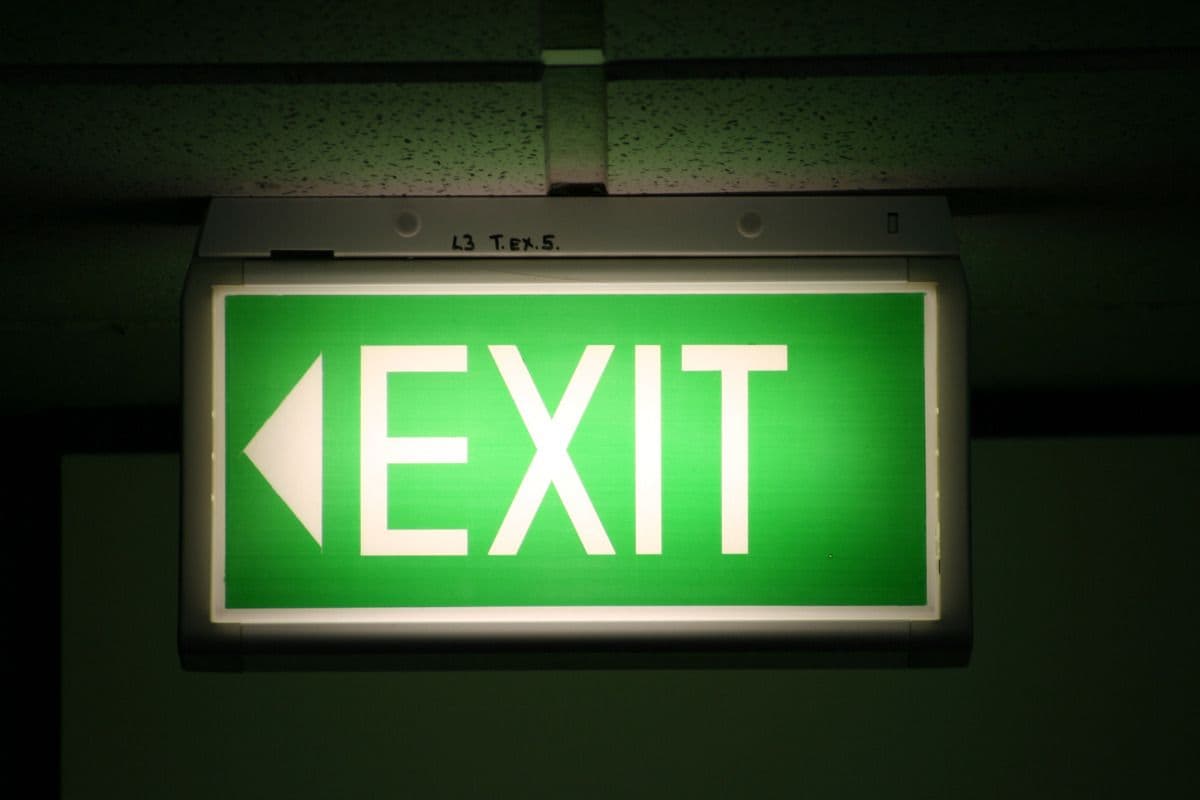
Green health and safety signs indicate safe conditions. They identify escape routes, emergency exits, first aid equipment, assembly points, and safety facilities — communicating reassurance rather than warning, prohibition, or mandatory instruction. Under the Health and Safety (Safety Signs and Signals) Regulations 1996 and the international standard BS EN ISO 7010:2019, green signs form one of four legally defined categories of safety signage used in UK and European workplaces. Every employer has a legal duty to provide, maintain, and adequately communicate the meaning of safety signs — including green ones — wherever a significant risk remains after other control measures have been applied. This guide explains what green health and safety signs indicate, what the law requires, which signs fall within the green category, how to use them correctly, and how international standards affect businesses operating across borders.
Why Green Health and Safety Signs Matter in Every Workplace
Safety signs do not replace risk control. They supplement it — providing rapid, language-independent guidance to employees, visitors, contractors, and members of the public at the moment when it matters most. In a fire, a medical emergency, or an accident, the ability to locate an exit, find a first aid kit, or reach an assembly point without delay can be the difference between safe evacuation and serious harm.
Green is the internationally designated colour for safe conditions in occupational health and safety signage. Its use is not arbitrary. Psychology research links green with calm, safety, and positive action — precisely the associations needed when communicating safe routes and resources during emergency situations. The colour triggers faster recognition under pressure than neutral or ambiguous alternatives, making it operationally effective as well as legally required.
The Health and Safety (Safety Signs and Signals) Regulations 1996 require employers to provide appropriate safety signs wherever a significant residual risk exists that cannot be adequately addressed through engineering controls or procedural measures alone. Signs are a final layer of communication — not a substitute for addressing hazards at source, but an essential complement to other controls.
Health and Safety Consultants help businesses identify where green signs are legally required, verify that signs in place meet current standards, and ensure that signage forms part of a coherent, compliant risk management approach rather than a disconnected collection of notices.
1. The Core Meaning: Green Signs Indicate Safe Conditions
The answer to "what do green health and safety signs indicate?" is contained in their regulatory category: green signs are safe condition signs.
Safe condition signs indicate safe actions and safe locations. They communicate reassurance rather than warnings or mandatory commands, guiding people to safe exit routes, emergency equipment, and facilities.
In the four-colour safety sign system used throughout the UK and Europe, each colour carries a specific meaning:
| Colour | Category | Purpose | Shape |
|---|---|---|---|
| Green | Safe condition | Escape routes, exits, first aid, safety equipment | Rectangle or square |
| Red | Prohibition or fire | No smoking, fire extinguisher location, fire alarm | Circle or rectangle |
| Yellow/Amber | Warning | Hazard identification, caution | Triangle |
| Blue | Mandatory | Required actions, PPE, compulsory instruction | Circle |
This structured colour coding system, defined in the Safety Signs and Signals Regulations 1996 and aligned with BS EN ISO 7010, ensures consistent visual language for health and safety signs across the UK and Europe.
Green signs do not warn of danger. They do not prohibit actions. They do not require specific behaviour. They simply tell people where safe conditions exist — where to go, what to use, and where help can be found.
The visual format of green signs is consistent across all examples: safe condition signs consist of a green rectangle or square with the pictogram or text in white positioned centrally. White symbols on a green background allow rapid recognition even in reduced-visibility conditions and ensure that the sign conveys its message without requiring the viewer to read text.
2. The Legal Framework: What UK Law Requires
Need Expert H&S Guidance?
Our qualified consultants can help you implement the right health & safety measures for your business.
The legal obligation to provide and maintain safety signs — including green safe condition signs — derives from multiple pieces of legislation operating simultaneously.
The Health and Safety (Safety Signs and Signals) Regulations 1996
The Health and Safety (Safety Signs and Signals) Regulations 1996 require employers to provide appropriate safety signage wherever there is a significant residual risk to health and safety that cannot be eliminated or controlled by other means. Before installing safety signs, employers must first carry out a risk assessment to identify hazards, evaluate associated risks, and implement appropriate control measures. Safety signs should only be used when there is a genuine need to warn employees, not as a substitute for eliminating or reducing risks through safer working methods.
The Regulations enacted in UK law an EU Directive designed to harmonise signs across the EU so that signs across member states carry the same meaning whichever country they are used in. Post-Brexit, the UK maintains equivalent requirements through retained legislation.
The Health and Safety at Work Act 1974
The Health and Safety at Work Act 1974 supports the employer's duty of care in relation to signage. Failure to provide adequate safety signs can contribute to enforcement action, prosecutions, and prosecution under this Act where inadequate signage contributes to workplace accidents.
The Regulatory Reform (Fire Safety) Order 2005
The Regulatory Reform (Fire Safety) Order 2005 applies widely to signage in non-domestic premises. Fire risk assessments must include signage placement checks, and Responsible Persons must manage ongoing safety compliance in relation to fire safety signs — including emergency exit and escape route signs, which are green.
Building Regulations
In order to comply with the requirements of the Building Regulations, every doorway or other exit providing access to a means of escape, other than exits in ordinary use, should be provided with an exit sign. Installation of signs conforming to British Standard 5499: Part 4: 2013 will satisfy both the Building Regulations and the Health and Safety (Safety Signs and Signals) Regulations 1996.
The Health and Safety (First-Aid) Regulations 1981
Green first aid signs follow the Health and Safety (First-Aid) Regulations 1981. They identify first aid kits, first aid rooms, and medical help points, supporting trained first aiders during urgent injury response and improving response time and treatment outcomes.
Understanding the interaction of these legislative requirements is important for employers conducting Health and Safety Audits of their signage provision. A sign that satisfies the Safety Signs Regulations may need to comply with additional requirements under the Fire Safety Order or Building Regulations.
3. ISO 7010: The International Standard Behind Every Green Sign
The symbols used on green health and safety signs are not designed arbitrarily. They follow BS EN ISO 7010, the internationally recognised standard for safety symbols.
ISO 7010 is the international gold standard for safety symbols. It specifies safety signs for the purposes of accident prevention, fire protection, health hazard information, and emergency evacuation. As of 2026, the UK has fully integrated the BS EN ISO 7010:2020+A8:2024 amendments, making it essential for dutyholders to understand the latest pictograms.
The Regulations enact in UK law a directive designed to harmonise signs across the EU so that signs across member states will have the same meaning whichever country they are used in. Details of BS EN ISO 7010 are also included in the HSE guidance L64.
Within ISO 7010, green safe condition signs carry "E" numbers (from the French word "Évacuation" and the concept of emergency/evacuation). Common ISO 7010 green sign references include:
E001: Emergency exit left — the running man sign with directional arrow (left) E002: Emergency exit right — the running man sign with directional arrow (right) E003: First aid — white cross symbol on green background E004: Stretcher — indicating stretcher storage location E007: Assembly point — converging arrows indicating gathering location E011: First aid phone — indicating location of emergency telephone E017: Rescue window — indicating a window designated as an emergency exit point E021: Emergency shower — indicating location of safety shower E022: Eyewash — indicating location of emergency eyewash station
Failing to use ISO 7010 compliant symbols can lead to several risks: HSE enforcement for failure to meet the Safety Signs and Signals Regulations 1996; insurance issues where insurers may deny claims if non-standard signage contributed to an accident; and in extreme cases, proof of negligent signage can support serious criminal charges including under the Corporate Manslaughter and Corporate Homicide Act 2007.
4. Types of Green Health and Safety Signs: A Complete Reference
Understanding the full range of green signs and what each indicates helps employers conduct proper sign audits and ensures complete coverage of all required sign categories.
Emergency Exit and Escape Route Signs
The most prominent and widely recognised green signs are those indicating emergency exits and escape routes.
The running man sign: The internationally recognised pictogram showing a person running through a doorway is the primary emergency exit indicator. With directional arrows, it guides building occupants along escape routes to final exits. This symbol, sometimes called the ISO green man or the running man, is the universally understood indicator of an emergency exit direction.
Fire exit signs: Combining the running man with "FIRE EXIT" text provides the clear instruction for fire evacuation. These signs must be positioned at all emergency exits and along all escape routes at intervals ensuring continuous directional guidance.
Directional arrows: Where escape routes change direction, signs with directional arrows (pointing left, right, up, or down) indicate which way to travel. Signs must appear at every change of direction to maintain continuous guidance from any point in the building to the final exit.
First Aid Signs
Green first aid signs identify the location of medical assistance, equipment, and trained personnel.
First aid kit location: A white cross on green background, indicating the precise location of a first aid kit. First aid kits must be clearly signed so that any employee can locate one rapidly without prior knowledge of its position.
First aid room: Indicating a dedicated room equipped for first aid treatment, used in larger workplaces where the first aid risk assessment indicates a first aid room is required.
First aider: Some workplaces use additional signage indicating the location of trained first aiders, though this is supplementary to the primary first aid point signs.
AED (Automated External Defibrillator): Green signs indicating AED locations are increasingly common in workplaces and public buildings. Rapid access to a defibrillator within the critical first minutes of cardiac arrest significantly improves survival rates.
Assembly Point Signs
Assembly point signs use the converging arrows symbol to indicate the designated gathering location following evacuation. All employees and visitors must know the location of the assembly point before an emergency occurs — the sign serves as the reference point both in normal conditions and during actual evacuation.
Emergency Equipment Signs
Green signs can indicate the location of specific emergency safety equipment beyond fire-fighting equipment:
Emergency shower: Indicating the location of a safety shower for use following chemical splash or contamination. Required by COSHH Regulations wherever chemical exposure risk exists.
Emergency eyewash station: Indicating the location of eyewash equipment for decontamination following chemical splash to the eyes.
Emergency telephone: Indicating the location of a telephone designated for use in emergencies.
Rescue equipment: Indicating the location of specialist rescue or emergency equipment in environments where such equipment is required.
Safe Condition Supplementary Signs
Supplementary signs consist of a square or rectangle in green where the information supplements a safe condition sign. Green supplementary signs provide additional directional or locational information alongside primary green signs, using the same green background and white text or symbol.
5. Where Green Signs Must Be Placed
Placement is as important as the presence of the sign itself. A first aid kit sign facing the wrong direction, an exit sign obscured by shelving, or an escape route sign positioned too high for smoke conditions to leave visible all fail the purpose of the sign regardless of their technical compliance with colour and symbol standards.
Escape route and exit signs:
Signs belong along corridors and stairwells. They must appear at changes of direction. Escape routes require continuous clear guidance. Public buildings need visible signage for visitors.
The principle is continuous visual guidance: from any position within a building, an occupant should always be able to see a sign indicating the direction of the nearest emergency exit without searching. This requires signs at the start of escape routes, at every change of direction, at corridor intersections, above or adjacent to every emergency exit door, and at intermediate points where routes are long enough that the next sign is not clearly visible from the previous one.
Height and visibility:
Signs must be positioned at a height where they will remain visible in the conditions likely to exist during the emergency they are addressing. For fire-related escape signs, this is particularly important: smoke in a fire emergency typically accumulates at ceiling level and descends progressively. Signs positioned at head height or lower remain visible longer than ceiling-mounted signs as smoke fills a room.
Photoluminescent signs glow during power failures and smoke conditions. Low-level escape markings remain visible when smoke fills rooms. Night-time visibility helps protect workers during after-hours emergencies.
Size and legibility:
The size of a safety sign must be proportional to the distance from which it needs to be read. The formula from the Health and Safety (Safety Signs and Signals) Regulations 1996 requires: minimum sign area (in square metres) = viewing distance squared (in metres), divided by 2,000. Larger spaces require larger signs or additional signs to maintain legibility. A small sign intended for a viewing distance of 20 metres is not legible without being significantly larger than one intended for a 5-metre viewing distance.
First aid signs:
First aid signs must be positioned immediately adjacent to or above the first aid kit, first aid room, or defibrillator they identify. They should be at eye level where possible and free from obstruction in all directions of approach.
Assembly point signs:
Assembly point signs must be visible from the area where evacuating personnel will gather and legible from a reasonable distance. They are typically mounted on posts or at the entrance to the assembly area.
6. Maintenance Requirements: Keeping Green Signs Legally Compliant
Providing green safety signs is not a one-time task. The Health and Safety (Safety Signs and Signals) Regulations 1996 and the Regulatory Reform (Fire Safety) Order 2005 both impose ongoing maintenance obligations.
What maintenance of safety signs involves:
Regular inspection: A formal review should be conducted at least annually or when workplace conditions change. Signs must be undamaged and replaced if worn or broken. Faded, damaged, obscured, or missing signs are non-compliant regardless of whether they were correctly specified and installed.
Cleaning: Signs must be kept clean and legible. Dirt, grease, paint overspray, or other contamination that reduces legibility creates a compliance failure and defeats the operational purpose of the sign.
Photoluminescent sign maintenance: Photoluminescent signs require adequate exposure to light sources to maintain their glow-in-the-dark properties. Regular testing verifies that these signs perform as required in conditions of reduced visibility.
Illuminated sign maintenance: Where signs are illuminated by emergency lighting or have built-in illumination, the light source must be maintained and tested. Emergency lighting associated with escape route signs must be tested in accordance with BS 5266.
Replacement after change: Whenever workplace layouts change — new walls, relocated exits, changed routes, new first aid points, or new assembly points — signs must be reviewed and updated to reflect the new arrangements. Signs indicating routes or facilities that no longer exist, or that fail to indicate new arrangements, create both a compliance failure and a practical danger.
Integration with fire safety audit:
Sign maintenance should be included in the periodic review required under the Regulatory Reform (Fire Safety) Order 2005. The fire risk assessment must be reviewed when there is reason to suspect it may no longer be valid, and changes to signage arrangements may constitute such a reason. Health and Safety Audits that include sign compliance assessment verify that signage is not only correctly specified but currently maintained and appropriate for actual workplace conditions.
7. Training Employees to Understand Green Signs
Providing signs is only one element of the employer's obligation. The Health and Safety (Safety Signs and Signals) Regulations 1996 specifically require employers to ensure that employees receive appropriate training and information about the meaning of safety signs.
Safety signs should complement but not replace staff training and supervision. Employers must provide regular training to ensure employees understand the meaning of safety signs and follow safety procedures correctly.
What employee training on safety signs should cover:
- The colour-coding system and what each colour indicates
- The specific meaning of each type of green sign in the workplace
- The location of emergency exits, first aid equipment, assembly points, and safety facilities — not only as indicated by signs, but as practically known
- What to do when they see signs activated or encounter emergency conditions
- How to report damaged, missing, or inadequate signs
Induction training:
Sign training must be delivered at induction. A new employee who has not been trained in the meaning of safety signs cannot respond appropriately if they encounter an emergency in their first weeks. The Regulation 13 obligation under the Management of Health and Safety at Work Regulations 1999 to provide training on recruitment makes induction sign training a specific legal requirement.
Refresher training:
When signs are added, removed, or relocated — or when workplace layouts change — refresher training must communicate the new arrangements to all affected employees.
Multilingual workplaces:
The use of pictogram-based signs under ISO 7010 is specifically designed to reduce language dependence. However, verbal and written training must be delivered in languages that all employees understand. In workplaces with diverse language groups, supplementary training materials in relevant languages support full comprehension of sign meanings and emergency procedures.
Health and safety training provided by qualified Health and Safety Consultants ensures that employees at all levels genuinely understand the meaning and purpose of safety signs — including green safe condition signs — and can act appropriately in emergencies.
8. Green Signs in the Context of the Full Sign System
Green safe condition signs work as part of a complete four-colour safety sign system. Understanding how they interact with signs of other colours — and where green signs are appropriate versus where a different colour should be used — prevents the common error of using the wrong sign category for a particular purpose.
Green is not the colour for fire-fighting equipment:
A common confusion is placing first aid crosses on green signs and fire extinguisher locations on red signs — but then using a green sign for a fire alarm call point or fire hose location. Fire-fighting equipment and fire alarms are indicated by red signs, not green. Only emergency exits, escape routes, first aid, and safety facilities use green. Green indicates safe condition and emergency escape signs such as first aid kits and fire exits. Red indicates prohibition and fire equipment signs such as no smoking signs and fire extinguisher locations.
Green is not the colour for PPE requirements:
Mandatory signs requiring specific actions — wearing PPE, washing hands, using specific procedures — use blue circular signs, not green. A sign requiring the use of safety goggles is blue; a sign indicating where safety goggles are stored would appropriately be green.
Green is not the colour for hazard warnings:
Hazard warnings — slippery floors, electrical hazards, chemical risks — use yellow triangular signs, not green. Placing a chemical warning on a green sign, or an exit sign on a yellow background, creates a violation of the Safety Signs and Signals Regulations 1996 and confuses the colour-coded system that the Regulations exist to maintain.
The complete system across a workplace:
A well-signed workplace uses all four categories consistently: green for escape routes, first aid, and safe facilities; red for fire-fighting equipment locations and prohibitions; yellow for hazard warnings; and blue for mandatory requirements. The consistency of this system is what enables rapid, instinctive recognition under pressure — because users do not need to read the sign in detail if the colour immediately communicates the category of information.
9. Common Compliance Failures with Green Safety Signs
Health and safety inspections and Health and Safety Audits consistently identify the same categories of green sign compliance failure across all workplace types. Understanding these helps businesses self-assess before formal review.
Missing escape route signs:
The most common green sign compliance failure is missing directional signs at changes of direction along escape routes, leaving occupants without guidance when routes are not intuitively obvious. This is particularly common in older buildings, converted premises, and workplaces that have expanded or changed layout without updating signage.
Outdated or incorrect symbols:
Signs using non-ISO 7010 symbols — text-only "FIRE EXIT" signs without the running man pictogram, or old-format symbols superseded by current ISO standards — are non-compliant with the Safety Signs and Signals Regulations 1996. Text-only signs are specifically not acceptable under the Regulations. Fire safety signs deemed not acceptable are those which contain text-only information.
Obscured signs:
Signs covered by stored goods, shelving, open doors, or other obstructions cannot serve their purpose. This is a common finding in stockrooms, warehouses, and areas where layout changes since sign installation have placed objects in front of signs.
Signs that no longer reflect reality:
Signs indicating an exit that has been blocked, a first aid kit that has been relocated, or an assembly point that has changed without sign updates create dangerous misdirection during actual emergencies.
Inadequate photoluminescent performance:
Photoluminescent escape route signs that have not been adequately charged by ambient light — because they are in areas with low lighting levels — may not perform in conditions of power failure and smoke. Regular testing is required but frequently overlooked.
Insufficient sign size:
Signs specified at minimum size for a viewing distance much shorter than the actual viewing distance in the space are technically present but practically illegible. This is common in large open-plan spaces, warehouses, and external assembly areas.
10. Conducting a Green Sign Compliance Audit
A green sign compliance audit systematically verifies that all required safe condition signs are present, correctly specified, adequately maintained, and integrated into effective emergency procedures. This is a component of the broader health and safety signage review that forms part of any comprehensive Health and Safety Audit.
The audit process:
Step 1 — Map escape routes and identify required sign positions: Walk every escape route from every area of the building to every final exit. At each change of direction, at each corridor intersection, and at each final exit, a compliant directional or exit sign must be present. Map the required sign positions against those actually present.
Step 2 — Verify sign specification: Confirm that all signs use current ISO 7010 symbols on green backgrounds with white pictograms. Check that sign sizes are appropriate for the viewing distance. Confirm that photoluminescent or illuminated signs are present where required.
Step 3 — Check sign condition: Inspect every sign for damage, fading, contamination, and obstruction. Signs that cannot be clearly seen and read from the required distance are non-compliant.
Step 4 — Verify first aid and equipment signs: Locate every first aid kit, first aid room, AED, emergency shower, eyewash station, and assembly point. Confirm that each is correctly signed using green ISO 7010-compliant signs.
Step 5 — Review recent changes: Identify any changes to building layout, occupancy, first aid arrangements, or assembly points since the last sign review. Confirm that signs reflect current arrangements rather than historical ones.
Step 6 — Document findings and actions: Record compliant and non-compliant findings with photographic evidence. Produce an action plan specifying what needs to be replaced, added, or relocated, with responsible owners and completion deadlines.
Health and Safety Consultants and Software solutions support this process through digital audit tools that enable mobile-first inspection completion, photographic evidence capture, automatic action assignment, and management dashboards showing sign compliance status.
11. Green Safety Signs in an International Context
The international dimension of green safety sign standards is important for businesses operating across multiple countries — whether through owned premises, franchise operations, supply chain facilities, or international offices.
ISO 7010 as the international standard:
ISO 7010 standardisation ensures consistency across Europe and the United Kingdom. Clear white pictograms support universal understanding across languages and cultures. This standardisation is deliberate — the ISO system is specifically designed to provide safety information that relies as little as possible on the use of words, enabling the same signs to communicate the same information to people of any nationality.
The ISO 7010 "E" series green signs are used across: - All EU member states (harmonised through EU Directive 92/58/EEC) - The UK (through retained legislation from the same Directive) - Norway, Iceland, and Liechtenstein (EEA) - Many other countries that have adopted ISO 7010 nationally
European consistency:
For businesses operating in multiple European countries, the ISO 7010 framework means that the same green sign specification used in the UK is legally appropriate across EU member states. The running man emergency exit sign, the white cross first aid sign, and the assembly point sign carry consistent meaning from London to Amsterdam, Paris to Berlin.
However, specific national requirements exist alongside the shared ISO 7010 symbol standard. In France, ERP (Établissements Recevant du Public) classification imposes specific signage obligations for public-facing premises. In Germany, Länder-specific building regulations may add requirements beyond the ISO framework. In the Netherlands, Arbeidsomstandighedenbesluit (Working Conditions Decree) specifies signage requirements linked to the RI&E risk assessment.
Non-European markets:
Outside Europe, safety sign standards vary. The United States uses ANSI Z535 rather than ISO 7010, creating different colour conventions and symbol formats. In the US, green remains the colour for safety equipment and first aid but the specific symbols and sign formats differ. OSHA references ANSI Z535 in its own standards, meaning that ISO 7010 signs may not satisfy OSHA requirements in US workplaces.
Australia uses AS/NZS 1319 and ISO 7010 in combination. Singapore references ISO 7010 standards in its Workplace Safety and Health Act framework.
International Health and Safety Consultants help businesses navigate these variations — ensuring that signage across international operations meets both the universal ISO 7010 framework and any specific national requirements in each jurisdiction.
12. Green Signs, Health and Safety Audits, and the Broader Compliance Picture
Green safety signs are a visible and practical component of workplace health and safety management, but they exist within a much broader compliance framework. A workplace with immaculate green signage but inadequate risk assessments, absent fire safety management, or no first aid provision has achieved superficial compliance at the expense of genuine protection.
Conversely, a workplace with genuinely strong health and safety management — comprehensive risk assessments, trained staff, effective emergency procedures, and functioning equipment — relies on green signs to communicate that management to the people who need it in the moment of emergency.
The relationship between green signs and the broader compliance framework:
Risk assessment drives sign requirements:
The fire risk assessment, workplace risk assessment, and COSHH assessment collectively determine which green signs are needed and where they should be positioned. Signs identified as necessary by these assessments must be provided. Signs for facilities that have not been risk-assessed and implemented — an eyewash station sign where there is no eyewash station, for example — create false assurance.
Training makes signs effective:
Signs communicate to trained people. An employee who understands that green signs indicate safe conditions and knows to follow green running man signs during evacuation will respond appropriately. An untrained employee may not make the connection between the colour and the meaning under the stress of a real emergency.
Health and Safety Audits verify the complete picture:
A comprehensive audit examines signage in the context of the management systems that support it: whether the fire risk assessment is current, whether escape routes are actually maintained clear (not merely signed), whether first aid kits are stocked, whether assembly points are known to staff. Signs that indicate facilities or routes that are not maintained are a compliance failure even if the signs themselves are correctly specified.
Health and Safety Consultants and Software solutions track sign inspection records, maintenance history, and audit findings across single and multi-site operations — providing management with documentary evidence of sign compliance as part of the overall health and safety management record.
How Arinite Supports Safety Sign Compliance
Arinite provides comprehensive health and safety support to businesses across the UK and internationally, including assessment and verification of safety signage as part of broader health and safety management programmes.
Risk assessment and sign identification: Comprehensive risk assessments that identify where green signs are legally required — covering escape routes, first aid, assembly points, and specialist safety equipment — as part of the overall assessment of workplace hazards and controls.
Health and Safety Audits: Independent compliance audits that include sign specification, condition, placement, and maintenance as a specific audit category — alongside broader assessment of management systems, policies, training, and emergency arrangements.
Fire risk assessment: Fire risk assessments that include review of all fire-related signage — exit signs, escape route directional signs, assembly point signs — as a specific component of the assessment, ensuring that signage meets both the RRO 2005 and the Safety Signs and Signals Regulations 1996.
Training: Induction and refresher training covering the meaning of safety signs — including green signs — ensuring that all employees can respond appropriately to the signs in their workplace.
Technology solutions: Health and Safety Consultants and Software platforms enabling digital inspection of safety signs across single and multi-site operations, with action tracking for identified deficiencies and maintenance scheduling.
International sign compliance: International Health and Safety Consultants supporting signage compliance across international operations — ensuring that ISO 7010 standards are met alongside any jurisdiction-specific requirements in each country where premises are operated.
Supporting over 1,500 global businesses with a 95%+ client retention rate, Arinite's CMIOSH-qualified consultants ensure that safety signage is part of a genuinely managed health and safety system, not a superficial compliance gesture.
Frequently Asked Questions
What do green health and safety signs indicate?
Green health and safety signs indicate safe conditions. Specifically, they identify emergency escape routes and exit directions, emergency exits and final exits, first aid equipment and first aid room locations, assembly points, and specialist emergency safety equipment including emergency showers and eyewash stations.
What is the legal requirement for green safety signs in the UK?
Under the Health and Safety (Safety Signs and Signals) Regulations 1996, employers must provide appropriate safety signage wherever there is a significant residual risk to health and safety that cannot be eliminated or controlled by other means. Green safe condition signs are specifically required for escape routes, emergency exits, and first aid points. Fire risk assessments under the Regulatory Reform (Fire Safety) Order 2005 must include review of green fire exit and escape route signs.
What standard governs UK green safety signs?
BS EN ISO 7010:2020+A8:2024 is the current standard governing safety symbols in the UK. It specifies green safe condition signs using a green rectangle or square background with white symbol, and assigns "E" reference numbers to each specific sign type.
Can a green sign contain text only?
No. Text-only signs are specifically not acceptable under the Health and Safety (Safety Signs and Signals) Regulations 1996. Fire safety signs deemed not acceptable are those which contain text-only information. Signs must use the ISO 7010 pictogram, though supplementary text may be added alongside the pictogram.
How often should green safety signs be inspected?
A formal review should be conducted at least annually or when workplace conditions change. Signs must be undamaged and replaced if worn or broken. Signs should also be reviewed whenever escape routes, first aid arrangements, assembly points, or other facilities change.
Are the same green signs used internationally?
ISO 7010 green signs are used consistently across the UK, EU, and many other countries. The running man emergency exit sign, white cross first aid sign, and assembly point sign have consistent meaning under the international standard. However, specific national regulations may add requirements or impose variations in non-European markets, particularly in the US (ANSI Z535) and Australia (AS/NZS 1319). International Health and Safety Consultants help businesses meet both ISO 7010 and jurisdiction-specific requirements.
What happens if green safety signs are inadequate or missing?
Inadequate or missing green signs can result in HSE or local authority enforcement action, improvement notices, and prosecution. Where a missing exit sign or inadequate first aid indication contributes to injury or death, criminal liability — including potential prosecution under the Corporate Manslaughter and Corporate Homicide Act 2007 — may arise. Insurers may also deny claims if non-standard signage contributed to an accident.
Do employees need training to understand green signs?
Yes. The Health and Safety (Safety Signs and Signals) Regulations 1996 require employers to ensure that employees receive appropriate training and information about the meaning of safety signs. Safety signs should complement but not replace staff training and supervision. Employers must provide regular training to ensure employees understand the meaning of safety signs and follow safety procedures correctly.
Taking the Next Step
Green health and safety signs are a legal requirement wherever escape routes, first aid facilities, assembly points, or emergency equipment exist — and their effectiveness depends entirely on whether they are correctly specified, properly maintained, and understood by the people who rely on them.
Assess your signage: Take our Health and Safety Quiz to evaluate your current compliance across signage and other key health and safety areas.
Commission a signage review: Book a free Gap Analysis Call with an Arinite consultant to identify where your green sign provision may have gaps or where signs need updating.
Get comprehensive support: Contact Arinite to discuss how our Health and Safety Consultants support businesses across the UK and 50+ countries with risk assessment, audit, fire safety, training, and complete health and safety management.
Arinite provides comprehensive Health and Safety Consultants services and Health and Safety Audits to over 1,500 global businesses across the UK and 50+ countries. Key external resources: HSE Safety Signs and Signals Regulations guidance L64 | Health and Safety (Safety Signs and Signals) Regulations 1996 | BS EN ISO 7010 standard | HSE guidance on safety signs | Firesafe.org.uk sign guidance | OSHCR register
Written by
Arinite Health & Safety Consultants
Health & Safety Expert at Arinite