Fire Safety Inspections: Complete Guide for UK and Global Businesses
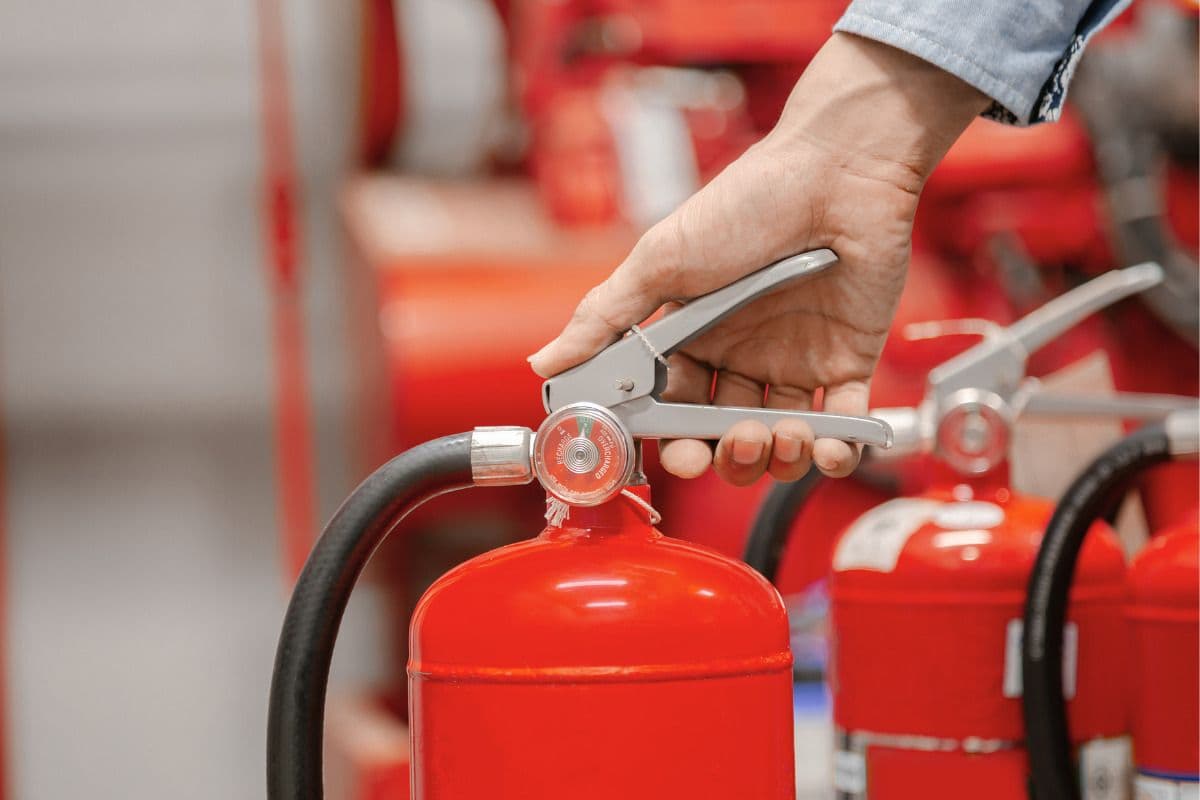
Fire safety inspections protect people, premises, and businesses from one of the most devastating workplace hazards. In the UK, the Regulatory Reform (Fire Safety) Order 2005 places a legal duty on every Responsible Person to manage fire safety continuously — not simply to pass periodic inspections. Fire and Rescue Authorities conducted hundreds of thousands of fire safety enforcement interactions in 2024/25, and in 2013 the Fire Service found that 14% of fire risk assessments were non-compliant with the law — a proportion that has not been fully resolved since. Understanding what fire safety inspections involve, who conducts them, what they examine, what enforcement action they can trigger, and how to prepare effectively is essential for every business operating premises in the UK. For international businesses, equivalent obligations apply in every jurisdiction where premises are operated. This guide covers 12 essential things every UK and global business must know about fire safety inspections.
Why Fire Safety Inspections Matter
Fire remains one of the most serious workplace hazards. A single fire incident can result in fatalities, serious injuries, destruction of premises, business interruption, regulatory prosecution, and reputational damage that outlasts any physical rebuilding.
The UK's fire safety inspection regime exists because passive reliance on physical fire precautions is not sufficient. Buildings change, occupancy patterns change, fire safety equipment deteriorates, and the conditions that determined the original fire risk assessment shift over time. Regular inspection — both by the Responsible Person and by Fire and Rescue Authorities — verifies that fire safety standards are maintained in practice rather than simply documented in a fire risk assessment completed years previously.
The consequences of inadequate fire safety are serious. Fire and Rescue Authorities have powers to issue improvement notices, prohibition notices, and — in serious cases — to prosecute Responsible Persons. Criminal penalties include unlimited fines and imprisonment. Civil liability for fire-related injuries and deaths can be substantial. Reputational damage from a serious fire incident, or from enforcement action following inspection, is rarely fully recovered.
Health and Safety Consultants with fire safety expertise help businesses maintain the standards that inspections require — not as a reactive exercise ahead of expected inspection, but as an ongoing management commitment.
1. The Legal Foundation: What the Regulatory Reform (Fire Safety) Order 2005 Requires
The Regulatory Reform (Fire Safety) Order 2005 (commonly referred to as the Fire Safety Order or RRO) is the primary piece of fire safety legislation governing non-domestic premises and the common parts of residential buildings in England and Wales. It consolidated and replaced a large body of earlier fire safety legislation — before its introduction, UK fire safety was governed by over 70 separate Acts and regulations — creating a single, risk-based framework that places responsibility for fire safety on those who control premises.
The RRO came into force on 1 October 2006. It applies to almost all buildings, places, and structures other than individual private homes. Premises covered include:
- Workplaces of all types — offices, factories, warehouses, workshops
- Public buildings including hospitals, schools, hotels, restaurants, and theatres
- Retail premises from small shops to large shopping centres
- Common parts of blocks of flats, HMOs, and other multi-occupancy residential buildings
- Places of worship
- Outdoor premises and events where the public is present
Scotland has equivalent legislation: the Fire Safety (Scotland) Regulations 2006. Northern Ireland operates the Fire and Rescue Services (Northern Ireland) Order 2006.
The Fire Safety Act 2021 and Fire Safety (England) Regulations 2022 amended the original RRO, significantly strengthening fire safety requirements for multi-occupied residential buildings following the Grenfell Tower fire. These amendments affect all Responsible Persons and have particular relevance for blocks of flats and buildings containing both residential and commercial elements.
2. Who Is the Responsible Person and What Are Their Duties?
Need Expert H&S Guidance?
Our qualified consultants can help you implement the right health & safety measures for your business.
The Responsible Person concept is central to the RRO's risk-based framework. Under the Fire Safety Order, responsibility for fire safety rests with the Responsible Person — typically the employer, building owner, landlord, managing agent, or anyone with control over the premises.
In some buildings there may be more than one Responsible Person, each with duties relating to the areas under their control. This shared responsibility arrangement is common in multi-occupancy commercial buildings, where the building owner, facilities manager, and individual occupier businesses all carry distinct fire safety obligations for different parts of the premises.
Key legal duties of the Responsible Person include:
- Carrying out a suitable and sufficient fire risk assessment and keeping it under review
- Implementing appropriate fire precautions based on the assessment findings
- Ensuring that fire safety measures are maintained in efficient working order
- Making and implementing emergency plans and fire action procedures
- Ensuring adequate means of escape are provided and maintained
- Providing appropriate fire detection and warning systems
- Ensuring fire-fighting equipment is provided, maintained, and accessible
- Providing adequate fire safety information, instruction, and training to all employees
- Making arrangements for the cooperation and coordination of fire safety with other Responsible Persons in shared buildings
Where five or more people are employed, or where legislation requires it, the findings of the fire risk assessment must be recorded in writing.
The Competent Person: The fire risk assessment must be carried out by a competent person — someone with sufficient training, experience, knowledge, and other qualities to carry it out correctly. Where the Responsible Person does not have this competence, they must engage a suitably qualified external specialist.
3. Types of Fire Safety Inspection
Fire safety inspections occur at different levels, with different purposes and different frequencies. Understanding the types of inspection relevant to your premises helps businesses prepare appropriately.
Fire and Rescue Authority Inspections (Regulatory)
Fire and Rescue Authorities have a statutory duty to enforce the RRO in their areas. Fire safety inspectors trained to Level 4 diploma standard visit non-domestic premises to inspect their protection systems and carry out assessments of workplaces, processes, and associated risks.
These inspections may be:
Planned proactive inspections: Fire and Rescue Authorities maintain risk-based inspection programmes targeting premises with higher fire risk. Higher-risk premises — those with sleeping risk, complex layouts, large occupancies, or significant fire loads — are inspected more frequently. Fire inspection forms the basis of the protection programme designed to reduce the risk and impact of fire upon communities.
Reactive inspections: Triggered by complaints, concerns raised by the public or other agencies, reported fire incidents, or intelligence about potential non-compliance.
Post-fire inspections: Carried out following a fire to check that appropriate measures had been taken, as required by fire legislation, to ensure that people were safe when the fire occurred.
Alterations notice inspections: Where the Fire and Rescue Authority has issued an alterations notice — which it may do for premises with high fire risks or where a change of use is planned — any material change to the premises must be notified to the authority before being made, and inspection may follow.
The Responsible Person's Own Inspection Programme
The RRO requires the Responsible Person to maintain fire safety measures regularly. Achieving this requirement demands a structured inspection programme covering different elements of fire safety at appropriate frequencies.
Daily checks (or shift-based): - Fire escape routes clear and unobstructed - Fire doors closing correctly and not propped open - Fire detection and warning systems not showing faults - Fire extinguishers in their designated positions and unobstructed
Weekly checks: - Fire alarm system tested (typically by brief activation of a manual call point) - Emergency lighting function checks - All fire escape routes inspected including external routes and assembly points
Monthly checks: - More comprehensive inspection of all fire safety systems - Check of fire exit signs and emergency lighting - Inspection of all fire extinguishers for physical condition, security pins, and tamper indicators
Annual checks: - Formal annual service of fire detection and warning systems by a competent service engineer - Annual maintenance of emergency lighting systems - Annual inspection and service of all fire extinguishers by a competent person - Annual sprinkler system inspection where installed - Comprehensive review and update of the fire risk assessment
Third-Party Fire Safety Audits
Independent fire safety audits conducted by specialist Health and Safety Consultants assess the overall fire safety management system — not simply physical equipment. These audits examine whether the fire risk assessment is suitable and sufficient, whether precautions identified are implemented, whether maintenance is current, whether training has been delivered, and whether the Responsible Person's arrangements meet their legal obligations.
4. What Fire Safety Inspectors Check During a Visit
Understanding what Fire and Rescue Authority inspectors examine enables businesses to maintain compliance continuously rather than scrambling before anticipated visits.
Fire safety inspectors will typically examine:
The Fire Risk Assessment
The fire risk assessment is the first document an inspector will seek. Inspectors assess whether the assessment: - Covers all relevant premises and activities - Identifies significant fire hazards (sources of ignition, fuel, and oxygen) - Identifies the people at risk, including those particularly vulnerable - Evaluates the risk to relevant persons from fire - Records the preventive and protective measures in place - Sets out further action required - Has been reviewed when premises or circumstances have changed
A fire risk assessment that is generic, out of date, or produced by someone without competence in fire risk assessment will not satisfy inspection requirements.
Means of Escape
Inspectors check that escape routes are: - Adequate in number and width for the occupancy of the premises - Clearly signed and illuminated - Free from obstruction at all times (this is commonly the most straightforward enforcement finding) - Protected from fire where necessary (fire-resisting construction, self-closing fire doors) - Leading to a safe place of assembly outside
Travel distances from any point in the building to a final exit are assessed against guidance relevant to the premises type.
Fire Doors
Fire doors are a critical component of any fire safety strategy — they contain fire and smoke, protecting escape routes. Inspectors check: - Fire doors close fully into their frame on release (without being held or wedged open) - Cold smoke seals are intact and functional - Intumescent strips are present and undamaged - Hinges, handles, and closers are in working condition - Fire doors are not propped open with door wedges or other makeshift devices - Glazed panels in fire doors have fire-resisting glass, not ordinary glazed panels
Door wedges used to prop fire doors open are one of the most commonly cited compliance failures found during fire safety inspection.
Fire Detection and Warning Systems
Inspectors verify that fire detection and alarm systems are: - Appropriate for the size, layout, and risk profile of the premises - Properly maintained and serviced by a competent person - Tested weekly using manual call points - Regularly serviced annually in accordance with BS 5839 - Functioning correctly with no outstanding faults
Emergency Lighting
Emergency lighting must provide sufficient illumination to enable safe evacuation if the normal lighting fails. Inspectors check: - Emergency lighting covers all escape routes, exit signs, and key points including fire extinguisher locations - Monthly function tests are recorded - Annual full discharge tests have been conducted and recorded by a competent person - Any failed luminaires have been replaced promptly
Fire-Fighting Equipment
Fire extinguishers, hose reels, and other fire-fighting equipment are checked for: - Correct type and rating for the hazards present - Correct siting — clearly visible and accessible without obstruction - Annual service by a competent person (records inspected) - Tamper indicators intact (indicating equipment has not been used without record) - Correct signage indicating the type of extinguisher
Training Records
Inspectors require evidence that all relevant persons have received adequate fire safety training. Records must demonstrate: - Induction fire safety training for all new starters - Regular refresher training (typically annual) - Specific training for fire marshals covering their additional responsibilities - Fire drills at appropriate intervals (at least annually for most premises)
Emergency Plans and Procedures
Written emergency plans must be available and cover: - Action to be taken on discovering a fire - How to raise the alarm - Evacuation procedures for all occupants including those with mobility impairment - Arrangements for calling the fire service - Responsibilities of fire marshals - Assembly point locations and roll-call procedures
5. Enforcement Powers: What Inspectors Can Do If They Find Problems
Fire and Rescue Authority inspectors have significant enforcement powers under the RRO. Understanding these powers emphasises the importance of continuous compliance rather than reactive preparation.
Informal Action
Inspectors may provide informal advice and guidance where minor issues are identified. This is typically the first response to low-level non-compliance in otherwise well-managed premises.
Improvement Notices
Where an inspector believes a provision of the Fire Safety Order is being contravened, they may issue a formal improvement notice specifying: - The provision being contravened - The nature of the contravention - The required remedial action - The time period for compliance (a minimum of 28 days)
Failure to comply with an improvement notice without reasonable cause is a criminal offence.
Prohibition Notices
Where an inspector considers that the risk to relevant persons from fire is so serious that use of the premises should be restricted or prohibited, they may issue a prohibition notice. A prohibition notice can: - Prohibit use of the whole premises - Restrict use to specific areas or activities - Take effect immediately where the risk is judged to be imminent
For businesses whose premises are served with a prohibition notice, the consequences are immediate and severe: operations must cease until the notice is lifted. A prohibition notice is not subject to a minimum notice period — if an inspector believes people are at risk of death or serious injury, the notice takes effect immediately.
Prosecution
Failure to comply with the Fire Safety Order, or with an improvement or prohibition notice, can result in criminal prosecution. The Fire Safety Order provides for: - Unlimited fines for the most serious breaches - Imprisonment of up to two years for the most serious offences - Personal prosecution of directors and managers where offences are committed with their consent, connivance, or neglect
Prosecutions for serious fire safety failures — particularly where fatalities or serious injuries have occurred — regularly attract substantial fines and custodial sentences for individuals.
Alterations Notices
For premises presenting high fire risk, an inspector may issue an alterations notice requiring the Responsible Person to notify the authority before making any material changes to the premises. This gives the Fire and Rescue Authority the ability to review fire safety implications before changes are made.
6. Fire Risk Assessments: The Foundation of Fire Safety Inspection Readiness
A suitable and sufficient fire risk assessment is the cornerstone of fire safety compliance. It is the first document an inspector requests, and its quality determines the inspector's assessment of the overall standard of fire safety management in the premises.
The five steps of a fire risk assessment are: 1. Identify fire hazards — sources of ignition, sources of fuel, and sources of oxygen 2. Identify people at risk — all occupants, with particular attention to those especially at risk (sleeping occupants, people with mobility or sensory impairment, lone workers) 3. Evaluate, remove, reduce, and protect — assess the risk from identified hazards and implement appropriate protective measures 4. Record, plan, inform, instruct, and train — document findings, produce an emergency plan, and provide training 5. Review and revise regularly — keep the assessment under review and update when circumstances change
The assessment must be reviewed whenever there is reason to suspect it may no longer be valid. This includes significant changes to the premises layout, changes in use or occupancy, the introduction of new processes or materials, following any fire-related incident, and at regular intervals regardless of whether changes have occurred.
In 2013, the Fire Service found that 14% of fire risk assessments were non-compliant with the law. The proportion of assessments produced by unqualified assessors remained high in subsequent years. A fire risk assessment produced by someone without genuine competence in fire risk assessment methodology may satisfy the appearance of compliance while failing the legal test of being suitable and sufficient.
Health and Safety Consultants with fire safety expertise produce fire risk assessments that meet the legal requirement and withstand inspection scrutiny.
7. Fire Marshal Roles and Training: The Human Element of Inspection Readiness
Fire marshals (also called fire wardens) play a critical role in fire safety management. Inspectors assess whether fire marshals are appointed, adequately trained, and aware of their responsibilities.
Who Needs Fire Marshals?
Every premises subject to the RRO needs sufficient fire marshals to ensure safe evacuation. The number required depends on the size, layout, and risk level of the premises, and the number of occupants. As a general guide, one fire marshal per floor or per 20 to 50 employees is commonly applied, though the fire risk assessment should determine the specific requirement.
What Fire Marshals Are Responsible For
- Raising the alarm and initiating evacuation
- Conducting roll calls at the assembly point
- Assisting and directing evacuees during evacuation
- Checking designated areas are clear (without putting themselves at unreasonable risk)
- Liaising with the Fire Service on arrival and reporting any missing persons
- Operating firefighting equipment if trained and if it is safe to do so
Fire Marshal Training
Fire marshal training must be appropriate to the complexity of the premises and the risks identified. Inspectors expect evidence of training delivery, typically within the last one to three years, with refresher training when required.
Training must cover at minimum: - Understanding of fire and how it develops - Recognition of fire hazards in the specific workplace - Understanding of fire safety systems in the premises - Roles and responsibilities during evacuation - Practical operation of hand-held fire extinguishers
Health and safety training for fire marshals should be delivered by a competent trainer with relevant fire safety knowledge, and completion must be recorded with sufficient detail to satisfy inspection requirements.
8. Fire Safety Inspections in Specific Premises Types
Fire safety inspection requirements and priorities vary significantly depending on the type of premises. Different premises carry different risks, different occupant profiles, and different regulatory expectations.
Multi-Occupancy Commercial Buildings
Complex buildings with multiple tenants — common in London and major cities — present shared Responsible Person challenges. Inspectors assess: - How responsibilities are divided between building owners, managing agents, and individual occupier businesses - Whether cooperation and coordination arrangements are documented and functional - Whether fire safety systems covering common areas are maintained to a standard appropriate for all tenants
Hospitality and Licensed Premises
Hotels, restaurants, bars, and entertainment venues carry particular fire safety risk because of: - Large numbers of members of the public unfamiliar with the building - Late-night operation with potentially intoxicated occupants - Complex kitchen fire risks from cooking equipment - High fuel loads from furnishings and décor
Inspectors focus on means of escape adequacy, staff training (particularly for shift workers), kitchen suppression systems, and emergency procedures.
High-Rise and Residential Buildings
Following the Grenfell Tower fire, fire safety in high-rise buildings has received unprecedented regulatory attention. The Fire Safety (England) Regulations 2022 introduced additional specific requirements for Responsible Persons of blocks of flats with storeys above 11 metres, including: - Quarterly checks of all fire doors in common areas - Annual checks of all flat entrance doors - Regular inspections of all fire safety measures in common areas - Provision of fire safety information to residents
The Building Safety Act 2022 created the Building Safety Regulator with oversight of higher-risk buildings above 18 metres or seven storeys.
Healthcare Settings
Hospitals, care homes, and other healthcare facilities carry specific fire safety obligations because of occupants with limited mobility or cognitive capacity who cannot self-evacuate. Progressive horizontal evacuation procedures, personal emergency evacuation plans (PEEPs), and robust staff training are all subject to inspection.
Construction Sites
Construction sites are subject to the RRO where certain conditions apply. Temporary structures and changing site conditions create dynamic fire risks that require specific assessment and regular review as the site evolves.
9. Preparing for Fire Safety Inspection: Practical Steps
Maintaining continuous compliance is the only reliable preparation for fire safety inspection. Inspections may occur with no advance notice, and the standard expected is that which is maintained daily — not that which can be assembled for a scheduled visit.
Documentation readiness: - Current, signed fire risk assessment accessible on site - Maintenance and service records for all fire safety systems - Training records for all staff demonstrating fire safety induction and refresher completion - Fire marshal training records and current lists of appointed marshals - Fire drill records showing date, time, outcome, and action taken on any findings - Emergency plan and fire action procedures - Records of fire alarm weekly tests and any faults identified and rectified
Physical readiness: - All fire escape routes clear and unobstructed - All fire doors closing correctly — free from wedges, propping devices, or damage - All fire safety signs present, legible, and correctly positioned - All fire extinguishers in position, secured, and within annual service date - Emergency lighting without visible faults - Fire alarm panel showing normal status with no outstanding faults
People readiness: - All fire marshals know their roles and the specific layout they are responsible for - All staff can explain what to do if they discover a fire or hear the alarm - Arrangements for any visitors, contractors, or new starters are clear and consistently applied
Post-inspection readiness: If an inspector has previously visited and provided advice — whether formally or informally — any actions arising should be completed and evidenced. Inspectors revisiting premises where previous advice has not been acted upon are likely to take a more formal enforcement approach.
10. Health and Safety Audits and Fire Safety Inspections: A Critical Relationship
Health and Safety Audits and fire safety inspections are complementary activities that, when used together, provide the most comprehensive assurance of fire safety management effectiveness.
A fire safety inspection — whether by a Fire and Rescue Authority inspector or by an independent consultant — examines physical conditions and the adequacy of specific fire safety measures. A health and safety audit examines the management systems through which fire safety is maintained: whether the fire risk assessment programme is functioning, whether training is being delivered and recorded, whether maintenance contracts are current, whether corrective actions from previous inspections are being implemented, and whether fire safety is genuinely managed as an ongoing commitment.
The most common pattern of fire safety failure is not a single dramatic failure but the gradual erosion of standards over time: the fire risk assessment produced years ago and never updated, the fire door maintenance that has slipped, the fire marshal training that has lapsed, and the fire drill that has not been conducted since before the pandemic.
Health and Safety Consultants conducting regular Health and Safety Audits that include fire safety management as a specific audit dimension identify these erosion patterns before they result in enforcement action.
Health and Safety Consultants and Software platforms support fire safety management through: - Fire risk assessment document management with review scheduling - Maintenance and inspection record tracking for all fire safety systems - Training record management with automatic alerts for refresher dates - Action tracking from inspection and audit findings - Fire drill scheduling and record documentation - Compliance dashboards providing management visibility of fire safety status
11. International Fire Safety Inspection Requirements
For businesses operating internationally, fire safety inspection obligations extend across every country where premises are operated. UK fire safety law does not apply outside England, Wales, Scotland, and Northern Ireland — and international fire safety frameworks vary significantly in their requirements, enforcement approach, and physical standards.
European Fire Safety Requirements
European member states implement fire safety regulations through their own national frameworks, informed by EU construction product regulations and building standards but not harmonised into a single EU fire safety law.
France: Fire safety in commercial premises (Établissements Recevant du Public — ERP) is governed by an extensive classification system based on building type, capacity, and risk. ERP premises are subject to periodic inspection by Safety Commissions (Commissions de Sécurité), which must approve premises before opening and conduct periodic mandatory inspections. The frequency of inspection depends on ERP category — Type J (care homes) and Type U (hospitals) face the most frequent and demanding inspection regimes.
Germany: German fire safety is governed at Länder (state) level, creating 16 different regulatory frameworks with broadly similar principles but different detailed requirements. Baurecht (building law) and Arbeitsstättenverordnung (workplace regulation) both contain fire safety provisions. Technical standards (DIN standards) govern specific systems including fire detection, suppression, and emergency lighting.
Netherlands: The Besluit bouwwerken leefomgeving (Bbl) governs fire safety in buildings. Regular inspection by the fire service (Brandweer) and building control authorities verifies compliance. Fire safety requirements interact directly with the RI&E risk assessment obligations.
Italy: Fire safety is governed by D.P.R. 151/2011 and managed by the Vigili del Fuoco (Fire Service), which issues fire safety certificates (certificato di prevenzione incendi, CPI) for premises above certain size and risk thresholds. The CPI must be renewed periodically and is subject to inspection.
Spain: Spanish fire safety is governed by the Reglamento de Instalaciones de Protección contra Incendios (RIPCI) and the Technical Building Code. Fire safety measures in premises must be maintained and inspected by authorised maintenance companies at defined intervals.
North American and Asia-Pacific Requirements
United States: OSHA fire safety standards and National Fire Protection Association (NFPA) codes govern workplace fire safety. NFPA 101 (Life Safety Code) and NFPA 1 (Fire Code) provide comprehensive standards adopted by many jurisdictions. Local fire marshals conduct inspections of commercial premises.
Singapore: The Fire Safety Act and its subsidiary legislation are enforced by the Singapore Civil Defence Force (SCDF). Fire safety certificates are required for prescribed premises and subject to renewal and inspection.
Australia: The Building Code of Australia and state-based fire safety regulations govern fire protection. Annual fire safety statements are required for certain buildings, certifying that fire safety measures have been inspected, tested, and maintained by competent practitioners.
International Health and Safety Consultants help businesses understand and meet fire safety inspection requirements across all international jurisdictions where premises are operated, ensuring that local compliance is maintained alongside consistent group standards.
12. How Arinite Supports Fire Safety Inspection Readiness
Arinite provides comprehensive fire safety support to UK and international businesses, helping organisations maintain the continuous standard of fire safety management that inspection readiness requires.
Fire Risk Assessment
Arinite's CMIOSH-qualified consultants produce fire risk assessments that meet the legal standard of being suitable and sufficient, reflecting the specific premises, its activities, its occupants, and its risks. We do not produce generic documents — every fire risk assessment is specific to the premises it covers.
Fire risk assessments are reviewed and updated at appropriate intervals, ensuring that they remain current as premises and circumstances change.
Health and Safety Audits Including Fire Safety
Health and Safety Audits conducted by Arinite include specific assessment of fire safety management systems — examining whether the fire risk assessment is being maintained, whether maintenance programmes are current, whether training has been delivered, and whether the Responsible Person's obligations are being met in practice.
Training
Health and safety training programmes include fire safety awareness training for all employees and specific fire marshal training for appointed fire marshals — with documented records meeting inspection requirements.
Technology Support
Health and Safety Consultants and Software solutions manage fire safety documentation, maintenance records, training completion, and inspection action tracking across single and multi-site operations.
International Fire Safety Support
International Health and Safety Consultants providing fire safety support across international operations — helping London-headquartered and multinational businesses meet fire safety inspection requirements in France, Germany, the Netherlands, Italy, Spain, and beyond.
Supporting over 1,500 global businesses with a 95%+ client retention rate, Arinite's consultants deliver fire safety support that genuinely protects people and businesses, not simply paper compliance.
Frequently Asked Questions
What is a fire safety inspection?
A fire safety inspection is an examination of premises to assess whether fire safety measures meet the requirements of the Regulatory Reform (Fire Safety) Order 2005 (in England and Wales) or equivalent legislation. Inspections are conducted by Fire and Rescue Authority inspectors under their statutory enforcement powers, and independently by competent fire safety consultants assessing the Responsible Person's compliance.
Who conducts fire safety inspections in the UK?
Fire and Rescue Authorities conduct regulatory fire safety inspections in their areas. The London Fire Brigade inspects premises across Greater London. Other fire services cover their respective regions. Independent fire safety consultants and Health and Safety Consultants also conduct fire safety audits on behalf of Responsible Persons.
How often should premises be inspected for fire safety?
The Responsible Person's own inspection programme should include daily checks of escape routes and fire doors, weekly fire alarm tests, monthly comprehensive equipment checks, and annual servicing of all fire safety systems. Fire and Rescue Authority inspections occur on a risk-based programme — higher-risk premises are inspected more frequently. The fire risk assessment should be reviewed at least annually.
What are the consequences of failing a fire safety inspection?
Fire and Rescue Authority inspectors can issue informal advice, improvement notices, prohibition notices (which can halt use of premises immediately), and initiate criminal prosecution. Prosecution can result in unlimited fines and imprisonment of up to two years. Directors and managers can be personally prosecuted where offences are committed with their consent or connivance.
Is a fire risk assessment the same as a fire safety inspection?
No. A fire risk assessment is a structured assessment of the fire risks in premises, carried out by or on behalf of the Responsible Person, identifying hazards, people at risk, and the measures needed to protect them. A fire safety inspection is an examination — typically by the Fire and Rescue Authority — to verify whether the Responsible Person has met their legal obligations.
Do fire safety inspection requirements apply internationally?
Yes, in every country where premises are operated. France requires ERP classification and periodic Safety Commission inspections. Italy requires fire safety certificates (CPI) renewed periodically. Germany regulates fire safety at state level. International Health and Safety Consultants help businesses meet local requirements in every jurisdiction.
How can I prepare for a fire safety inspection?
Maintain compliance continuously rather than specifically for inspection. Ensure your fire risk assessment is current, all fire safety systems are maintained and serviced, training records are complete, fire doors are functional and not propped open, escape routes are clear, and emergency procedures are documented and practised. A pre-inspection Health and Safety Audit by a competent consultant identifies and enables you to address gaps before a regulatory inspector finds them.
Taking the Next Step
Fire safety is a continuous legal obligation, not a periodic compliance event. The standard expected by Fire and Rescue Authority inspectors is the standard maintained every day — and the consequences of falling short, from prohibition notices that halt operations to prosecution for serious failures, make proactive fire safety management one of the most important risk management investments any business can make.
Assess your fire safety compliance: Take our Health and Safety Quiz to evaluate your current position.
Discuss your premises: Book a free Gap Analysis Call with an Arinite consultant to understand your fire safety obligations and identify where gaps exist.
Get expert support: Contact Arinite to arrange a fire risk assessment or Health and Safety Audit including fire safety management assessment, from our CMIOSH-qualified consultants across the UK and internationally.
Arinite provides expert fire risk assessment and Health and Safety Consultants services to over 1,500 global businesses across the UK and 50+ countries. Key external resources: London Fire Brigade RRO guidance | Regulatory Reform (Fire Safety) Order 2005 | Fire Safety (England) Regulations 2022 | GOV.UK fire safety guidance | Building Safety Regulator | NFPA international standards
Written by
Arinite Health & Safety Consultants
Health & Safety Expert at Arinite