The Importance of Communication in Safety Management
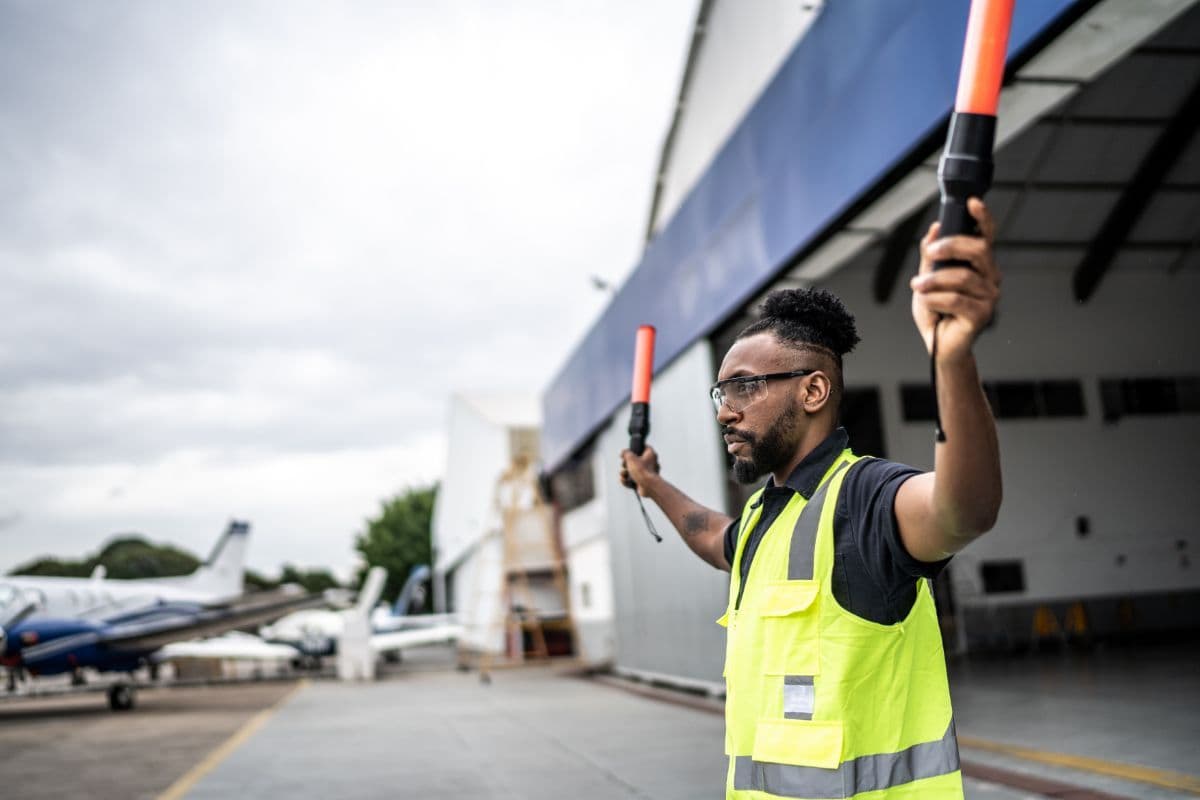
Effective health & safety communications include having regular briefings or meetings, encouraging workers feedback without fear of blame, and having management that actively demonstrate safe behaviours and foster a safety culture.
Tragic Accident
I was surprised and saddened by the news recently that two pilots lost their lives and a number of passengers were injured whilst landing an aeroplane at New Yorks LaGuardia Airport. The aviation industry generally has a very good safety record helped no doubt by technological advances in recent decades.
Early indications for the LaGuardia Airport accident seem to point to a communications error where the control tower has given a fire truck permission to cross a live runway where a plane had just landed and this resulted in a collision with the plane travelling at approximately 100 miles per hour.
Effective Communications
Effective communication is the cornerstone of a successful safety management system. In workplaces of all kinds such as manufacturing, warehouses, health care and offices among others, good communication practices should ensure that safety information is clearly shared, understood, and acted upon. Without this good and effective communication, even the best safety policies can fail to protect employees and assets.
To achieve success in health and safety management, there needs to be effective communication up, down and across the organisation. Organisations need to communicate information to their workers on the risk to their health and safety identified in their risk assessments, and the preventive and protective measures necessary to control risk.
The information provided should be communicated appropriately, taking into account:
- workers’ levels of competence,
- the size and structure of the organisation.
Communication in safety management begins with clarity of expectations. Workers need to know what safe behaviours look like, why certain procedures are in place, and how to respond in case of an incident.
Two Way Communications
Need Expert H&S Guidance?
Our qualified consultants can help you implement the right health & safety measures for your business.
When safety instructions are unclear or inconsistent, people may take unnecessary risks or misunderstand the seriousness of hazards. Clear safety briefings, signage, and written policies help maintain a consistent message across all levels of an organisation.
Another vital aspect is two-way communication. Safety is not a top-down function it depends on feedback from employees who are directly engaged with daily tasks. Workers often notice hazards early or identify flaws in existing procedures. A culture that encourages reporting and discussion of safety concerns without fear of blame allows organisations to correct issues before accidents occur. Tools such as near-miss reporting systems, toolbox talks, and safety meetings foster this ongoing dialogue and strengthen trust between staff and management.
Crisis and emergency communication are also critical. In high-pressure situations, the ability to share accurate and prompt information can save lives. Emergency drills, radio systems, alarm signals, and clear chain-of-command instructions prepare people to respond efficiently. Miscommunication during an emergency, by contrast, can result in confusion, injury, or worse. Regular training and review of communication protocols ensure readiness when it matters most.
Technology
Advances in technology have transformed safety communications in the last decade. Digital platforms, mobile apps, and instant messaging tools make it easier to distribute safety alerts, training information, record incidents, and monitor compliance in real time. However, technology should complement and not replace human judgment and interpersonal communication. The true value lies in how effectively messages are delivered, received, and acted upon.
Communication is a common thread running through much of H&S legislation including consultation with workers and Arinite have produced a Factsheet 0030 – Communication on this very topic for some further reading.
Summary
Ultimately, communication is not just a tool within safety management, it is its lifeblood. Strong communication builds awareness, accountability, and engagement. It connects people to the shared goal of preventing harm and promoting well-being. An organisation that communicates safety effectively demonstrates not only compliance with regulations but also genuine care for its people and that is the foundation of any sustainable safety culture.
Contact us
Arinite clients worldwide appreciate that we provide practical, no-nonsense advice about what you need to do to establish and maintain a safe and healthy working environment.
Our team of Global locally based health and safety consultants take pride in keeping health and safety simple.
If you need to call upon our expert assistance, or just for an informal chat, please call our office +44 207 947 9581, or type an enquiry to: https://www.arinite.co.uk/contact-us/.
Written by
Derek Mcstea
Health & Safety Expert at Arinite