Retail Health and Safety Consultants: Complete Guide for UK and International Retailers

The retail sector presents unique health and safety challenges. From slips and trips on shop floors to manual handling in stockrooms, from violence against staff to customer safety, retailers must protect both employees and the public while maintaining efficient operations. This comprehensive guide explains why specialist retail Health and Safety Consultants are essential and how they help retailers achieve compliance and protect their people.
Introduction: Health and Safety in Retail
Retail is one of the UK's largest employment sectors, with millions of workers across high street shops, supermarkets, shopping centres, retail parks, and distribution centres. The sector's diversity creates varied health and safety challenges that require specialist understanding.
While retail is not typically considered high-risk compared to construction or manufacturing, the statistics tell a different story. HSE data consistently shows wholesale and retail among sectors with above-average injury rates. Slips and trips remain the single most common cause of major injury in retail, while violence against staff has increased significantly in recent years.
Beyond employee safety, retailers have duties to customers and visitors. With thousands of people passing through stores daily, the potential for incidents is significant. A single serious accident can result in substantial compensation claims, regulatory action, and reputational damage.
Finding the right Health and Safety Consultants with genuine retail expertise helps retailers navigate these challenges effectively.
Understanding Retail Health and Safety Risks
Retail environments present distinctive hazards that require specific approaches.
Slips, Trips, and Falls
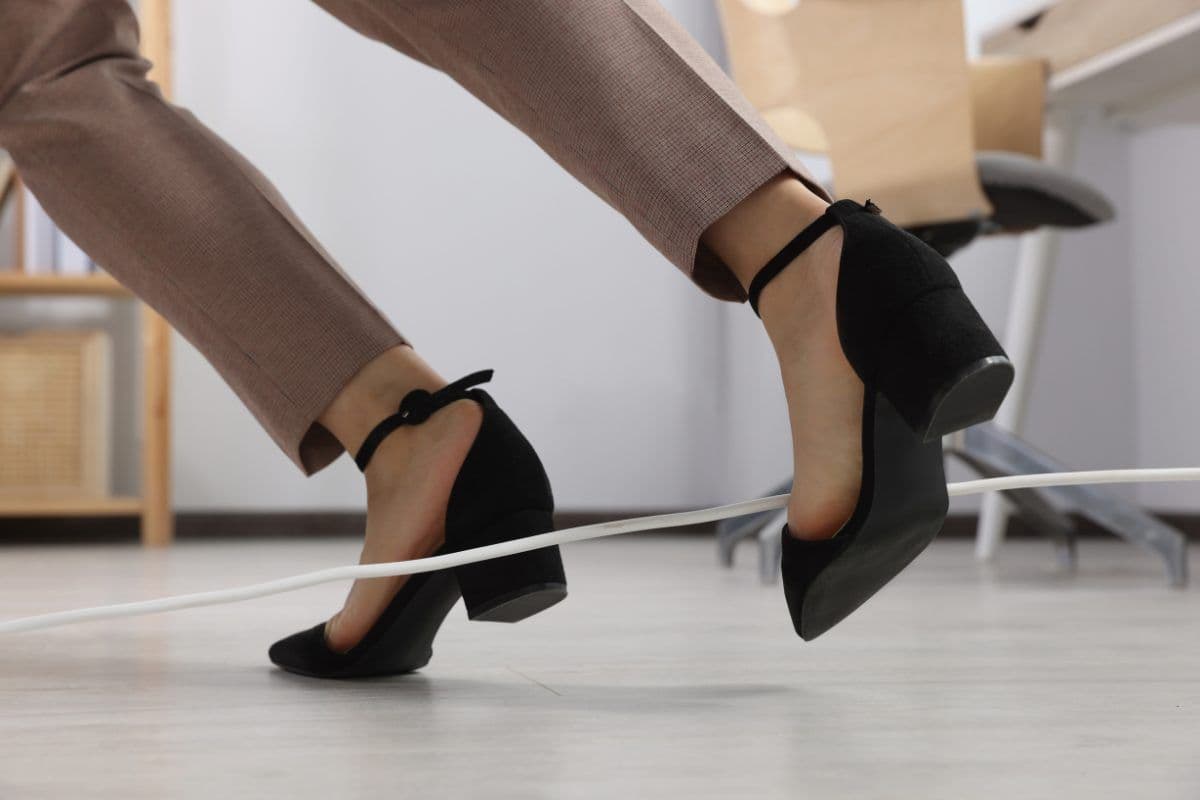
Slips and trips are the single most common cause of major injury in the retail sector. According to HSE, slips, trips, and falls account for approximately 30% of all non-fatal workplace injuries across all sectors, with retail particularly affected.
Common causes in retail:
- Wet floors from cleaning, spills, or rainwater tracked in by customers
- Damaged or uneven floor surfaces
- Trailing cables from displays or equipment
- Cluttered aisles and blocked walkways
- Poor lighting obscuring hazards
- Changes in floor level or surface type
- Temporary displays and promotional materials creating obstacles
Prevention measures:
- Effective cleaning regimes with appropriate timing (avoiding peak trading)
- Immediate spillage response procedures
- Proper use of warning signs and barriers
- Regular floor condition inspections
- Entrance matting to capture moisture
- Good housekeeping standards
- Staff training on hazard identification
Manual Handling
Manual handling is one of the biggest causes of injury in retail. Employees regularly lift, carry, and move goods during deliveries, stock replenishment, and shelf filling. Improper techniques or excessive loads cause musculoskeletal injuries, back problems, and long-term health issues.
High-risk activities:
- Unloading deliveries
- Moving stock from stockrooms to shop floor
- Shelf stacking, particularly high or low shelves
- Moving cages and roll containers
- Handling bulk items
- Lifting during stock takes
Prevention measures:
- Manual handling risk assessments for key tasks
- Training on safe lifting techniques
- Mechanical aids (trolleys, cages, step platforms)
- Reducing load weights where possible
- Team lifting for heavy items
- Ergonomic storage arrangements
Violence and Aggression
Violence against retail workers has increased significantly. The British Retail Crime Survey reports thousands of incidents annually, ranging from verbal abuse to physical assault. Retail workers face risks from shoplifters confronted about theft, customer disputes, robbery, and general antisocial behaviour.
Risk factors:
- Cash handling and high-value goods
- Late-night or early-morning trading
- Lone working
- Alcohol or tobacco sales with age verification
- Customer service disputes
- Shoplifting confrontations
Prevention measures:
- Risk assessments for violence
- Staff training on conflict de-escalation
- Clear policies on handling confrontations
- Panic alarms and communication systems
- CCTV and security measures
- Liaison with local police
- Incident reporting and analysis
- Support for affected staff
Fire Safety
Fire hazards in retail stem from electrical equipment, lighting, heating systems, and flammable materials including packaging, paper, and cleaning chemicals. With public access, fire safety is particularly critical.
Key considerations:
- Fire risk assessment under the Regulatory Reform (Fire Safety) Order 2005
- Clear escape routes maintained despite changing displays
- Fire detection and warning systems
- Firefighting equipment provision and maintenance
- Staff training on evacuation procedures
- Regular fire drills
- Control of combustible materials
- Electrical safety checks
Fire Risk Assessments by qualified assessors ensure compliance and identify improvement needs.
Workplace Transport
Many retail operations involve workplace transport risks, from forklift operations in warehouses and stockrooms to delivery vehicle movements in loading areas.
Key risks:
- Pedestrian and vehicle interaction in loading bays
- Forklift operations in stockrooms
- Delivery vehicle reversing
- Customer vehicles in car parks
- Roll cage and pallet truck movements
Prevention measures:
- Segregation of pedestrians and vehicles
- Clear traffic routes and signage
- Trained and authorised operators only
- Reversing procedures and banksmen
- Good visibility and lighting
- Speed restrictions
Lone Working
Retail involves significant lone working, from opening and closing procedures to small shops with single staff members. Lone workers face heightened risks from violence, medical emergencies, and accidents with no immediate assistance.
Key considerations:
- Risk assessment for lone working activities
- Communication systems and check-in procedures
- Personal safety training
- Restrictions on high-risk activities when alone
- Emergency response procedures
Working at Height
Stock handling often requires working at height to access high shelving or storage areas. Falls from height, even from relatively low levels, can cause serious injuries.
Key considerations:
- Use of appropriate equipment (step ladders, kick stools, platforms)
- Training on safe use of access equipment
- Regular equipment inspection
- Avoiding makeshift methods
- Safe storage arrangements to minimise height access
Display Screen Equipment
Office-based retail roles and increasingly in-store technology mean DSE assessment requirements apply. Poor workstation setup causes musculoskeletal problems and eye strain.
Key considerations:
- Workstation assessments for regular users
- Adjustable equipment provision
- Break patterns for intensive users
- Eye tests for eligible employees
Legal Framework for Retail Health and Safety
Need Expert H&S Guidance?
Our qualified consultants can help you implement the right health & safety measures for your business.
Understanding legal requirements helps retailers meet their obligations.
Health and Safety at Work Act 1974
The foundation of UK health and safety law applies to all retail employers. Key duties include:
- Ensuring, so far as is reasonably practicable, the health, safety, and welfare of employees
- Conducting undertakings in ways that protect others (including customers)
- Providing information, instruction, training, and supervision
- Maintaining safe premises
Management of Health and Safety at Work Regulations 1999
These regulations require retail employers to:
- Conduct suitable and sufficient risk assessments
- Implement preventive and protective measures
- Appoint competent persons to assist with health and safety
- Provide health and safety training
- Establish emergency procedures
For retailers with five or more employees, risk assessment findings must be recorded in writing.
Regulatory Reform (Fire Safety) Order 2005
Retailers must:
- Conduct fire risk assessments
- Implement appropriate fire precautions
- Maintain fire detection, warning, and fighting equipment
- Ensure means of escape are maintained
- Provide fire safety training
RIDDOR
The Reporting of Injuries, Diseases and Dangerous Occurrences Regulations 2013 require retailers to report to HSE:
- Fatalities
- Specified injuries (fractures, amputations, etc.)
- Injuries causing over seven days' incapacity
- Dangerous occurrences
- Occupational diseases
Other Relevant Regulations
Depending on activities, retailers may need to comply with:
- Manual Handling Operations Regulations 1992
- Workplace (Health, Safety and Welfare) Regulations 1992
- Personal Protective Equipment at Work Regulations 1992
- Health and Safety (Display Screen Equipment) Regulations 1992
- Provision and Use of Work Equipment Regulations 1998
Enforcement
Unlike many sectors where HSE leads enforcement, Local Authorities normally enforce health and safety law in retail premises. Trading Standards, Environmental Health, and Fire and Rescue Services all have roles in retail safety regulation.
Different Retail Environments
Retail encompasses diverse environments, each with specific considerations.
High Street Shops
Independent and chain stores on high streets face challenges including:
- Limited space creating housekeeping challenges
- Public access throughout trading hours
- Often older premises with maintenance needs
- Deliveries in busy pedestrianised areas
- Limited stockroom facilities
Supermarkets and Large Stores
Large-format retail involves:
- High customer footfall
- Extensive manual handling
- Fresh food handling and temperature control
- Complex logistics and deliveries
- Bakery, butchery, and other specialist areas
- Large workforces including temporary staff
Shopping Centres
Retailers in shopping centres navigate:
- Landlord and tenant responsibilities
- Shared areas and facilities
- Centre-wide emergency procedures
- Coordinated fire safety
- Access for deliveries and waste removal
Retail Parks
Out-of-town retail presents:
- Large premises with complex layouts
- Significant workplace transport
- External areas and car parks
- Warehouse-style stockrooms
- Loading dock operations
Distribution Centres and Warehouses
E-commerce growth has expanded retail warehousing. These environments involve:
- Forklift and MHE operations
- High-level racking
- Intensive manual handling
- Conveyor systems
- Complex shift patterns
- High temporary worker usage
E-commerce Fulfilment
Online retail creates specific considerations:
- Pick-pack-ship operations
- Automation and robotics
- Returns handling
- Continuous operation demands
- Performance pressures affecting worker welfare
Why Retailers Need Specialist Health and Safety Consultants
Generic health and safety advice may miss retail-specific nuances. Specialist retail Health and Safety Consultants bring:
Sector Understanding
Consultants with retail experience understand:
- How retail operations actually work
- Peak trading pressures and seasonal demands
- Customer-facing environment challenges
- High staff turnover implications
- Multi-site management complexities
Practical Solutions
Effective retail safety requires solutions that work alongside commercial operations. Consultants who understand retail can:
- Develop procedures that fit trading patterns
- Create training that engages retail staff
- Design risk assessments covering retail-specific activities
- Balance safety requirements with customer experience
Regulatory Knowledge
Local Authority enforcement means navigating relationships with multiple regulators. Experienced consultants understand:
- How different authorities approach retail
- Documentation expectations
- Inspection patterns and priorities
- Effective regulatory relationships
Multi-Site Experience
Retail chains face the challenge of maintaining standards across numerous locations. Consultants supporting multi-site retailers can:
- Develop consistent standards and procedures
- Create scalable training programmes
- Conduct comparable Health and Safety Audits across sites
- Identify patterns and systemic issues
- Support regional and store management
International Retail Operations
Many retailers operate across borders, requiring international safety expertise.
European Retail
EU member states implement the Framework Directive differently. Retailers operating in multiple European countries encounter:
- Netherlands: RI&E risk assessment requirements
- France: PAPRIPACT documentation requirements
- Germany: DGUV regulations
- Italy: RSPP safety officer requirements
International Health and Safety Consultants help retailers navigate varying requirements while maintaining consistent brand standards.
Global Retail
International retailers face even greater complexity. US operations require OSHA compliance. Asian markets have varying regulatory maturity. Middle Eastern operations involve different cultural considerations.
Global Health and Safety Consultants with genuine international capability coordinate safety management across diverse jurisdictions.
Consistency vs Local Compliance
International retailers balance corporate standards with local requirements. The best approach typically involves:
- Global minimum standards exceeding local requirements
- ISO 45001 or similar framework for consistency
- Local adaptation where regulations demand
- Comparable audit approaches across markets
- Centralised oversight with local implementation
Seasonal Considerations
Retail has pronounced seasonal patterns affecting safety management.
Christmas Trading
The peak trading period creates heightened risks:
- Increased customer footfall and crowding
- Extended trading hours and staff fatigue
- Higher stock levels and more frequent deliveries
- Temporary staff without full training
- Pressure to maintain sales floors during replenishment
- Christmas decorations and displays creating hazards
January Sales
Post-Christmas sales bring their own challenges:
- Customer volumes and queuing
- Stock movement for clearance displays
- Staff returning after holidays
- Fatigue from extended peak period
Other Seasonal Peaks
Depending on retail type, other peaks may apply:
- Easter (chocolate retailers, garden centres)
- Back-to-school (stationery, clothing)
- Black Friday (general retail)
- Summer (outdoor, leisure, travel)
Effective retail Health and Safety Consultants help plan for these peaks, ensuring temporary staff are trained, procedures are adapted, and resources are adequate.
Key Services for Retailers
Retail Health and Safety Consultants provide various services.
Health and Safety Audits
Health and Safety Audits systematically evaluate safety management across retail operations. For multi-site retailers, consistent audit approaches across stores enable meaningful comparison and identification of systemic issues.
Retail audits examine:
- Store layout and housekeeping
- Stockroom arrangements
- Delivery and goods-in procedures
- Staff training and competence
- Documentation and record-keeping
- Emergency arrangements
- Customer safety provisions
Risk Assessment
Comprehensive risk assessments covering retail-specific activities including:
- Shop floor operations
- Stockroom activities
- Delivery handling
- Cleaning and maintenance
- Customer interactions
- Lone working
- Working at height
- Manual handling tasks
Policy and Procedure Development
Creating health and safety policies and procedures tailored for retail:
- Opening and closing procedures
- Spillage response
- Delivery protocols
- Incident reporting
- Emergency evacuation
- Lone working arrangements
Training
Health and Safety Training designed for retail workforces:
- General health and safety awareness
- Manual handling
- Fire safety
- First aid
- Violence and conflict management
- Manager and supervisor training
Training must accommodate retail realities including part-time workers, high turnover, and limited time off the shop floor.
Fire Risk Assessment
Fire Risk Assessments meeting Regulatory Reform Order requirements, with particular attention to:
- Customer evacuation
- Display and stock arrangements affecting escape routes
- Seasonal decorations
- High-footfall areas
Outsourced Health and Safety
For retailers without internal expertise, outsourced health and safety provides access to a competent person handling compliance:
- Acting as your competent person
- Regular store visits
- Policy and document maintenance
- Advisory support
- Training delivery
- Incident investigation
Technology Solutions
Health and Safety Consultants and Software integrated solutions support efficient multi-site compliance:
- Centralised documentation
- Audit scheduling and tracking
- Training record management
- Incident reporting
- Action tracking and follow-up
Arinite: Expert Retail Health and Safety Support
Arinite provides comprehensive Health and Safety Consultants services for retailers of all sizes, from independent stores to international chains.
Why Arinite for Retail
CMIOSH-qualified consultants: Our Chartered professionals bring the highest level of expertise and credibility.
Retail sector experience: We understand how retail operations work and develop practical solutions that fit trading realities.
Multi-site capability: Experience supporting retail chains with consistent standards and efficient programmes across multiple locations.
International reach: Global Health and Safety Consultants supporting retail operations across 50+ countries, ensuring local compliance with global consistency.
Practical approach: Arinite's "Keeping It Simple" philosophy creates systems that work on the shop floor, not just in head office.
Technology-enabled: Health and Safety Consultants and Software solutions for efficient compliance management.
Track Record
Arinite supports over 1,500 global businesses across 50+ countries. Our 95%+ client retention demonstrates consistent delivery of value. Retail clients benefit from our experience across the sector, from high street independents to international chains.
Frequently Asked Questions
What are the main health and safety risks in retail?
The main risks include slips, trips, and falls (the most common cause of major injury), manual handling injuries, violence and aggression, fire hazards, workplace transport, and working at height. Customer safety is also a key concern.
Who enforces health and safety in retail?
Local Authorities normally enforce health and safety law in retail premises, not HSE. This means relationships with Environmental Health departments, Trading Standards, and Fire and Rescue Services.
Do I need a health and safety policy for my retail business?
If you employ five or more people, you must have a written health and safety policy. Even smaller retailers benefit from documented arrangements to demonstrate compliance.
How often should retail premises have a health and safety audit?
Annual Health and Safety Audits are standard practice for most retailers. Higher-risk operations, those with compliance concerns, or rapidly changing premises may benefit from more frequent assessment.
What qualifications should retail Health and Safety Consultants have?
Look for CMIOSH (Chartered Member of IOSH) as the gold standard. Retail sector experience is valuable, as is understanding of multi-site operations if you have multiple stores.
How do I manage health and safety across multiple retail sites?
Consistent policies and procedures across sites, comparable audit approaches, centralised oversight with local accountability, and Health and Safety Consultants and Software for efficient management all contribute to effective multi-site safety.
What should be covered in retail staff health and safety training?
Core training should cover hazard awareness, manual handling, fire safety, emergency procedures, and incident reporting. Role-specific training might include working at height, first aid, or violence awareness depending on duties.
How do I handle health and safety for temporary retail staff?
Temporary staff require the same basic training as permanent employees. Effective induction covering key hazards, emergency procedures, and who to report problems to is essential. Supervision requirements may be higher for temporary workers.
Do retailers need fire risk assessments?
Yes. The Regulatory Reform (Fire Safety) Order 2005 requires fire risk assessments for all retail premises. These must be reviewed regularly and when circumstances change significantly.
How can technology help with retail health and safety?
Health and Safety Consultants and Software platforms centralise documentation, track training, manage audits, and monitor actions across multiple sites. Mobile apps enable store-level compliance checks and incident reporting.
Taking the Next Step
Effective health and safety management protects your employees, your customers, and your business. Specialist retail Health and Safety Consultants bring the expertise needed to navigate sector-specific challenges efficiently.
Assess your current position: Take our Health and Safety Quiz for a quick compliance assessment.
Discuss your requirements: Book a free Gap Analysis Call with our consultants to discuss your retail health and safety needs.
Get expert support: Contact Arinite to learn how we can support your retail operations.
Arinite is a leading provider of Health and Safety Consultants services for the retail sector. Our CMIOSH-qualified consultants support retailers from independent stores to international chains across 50+ countries, delivering practical solutions that work in real trading environments.
Written by
Arinite Health & Safety Consultants
Health & Safety Expert at Arinite