Portable Electrical Appliances, are yours safe?

Did you know that the first guidance produced by the UK Health and Safety Executive (HSE), specifically for Portable Appliance Testing (PAT) was in the early 1990s?
It is bewildering to think that for over 30 years there has been good guidance provided about maintenance, inspection and testing of electrical portable appliances. However, we still see in Arinite health & safety audit reports many organisations who either, totally ignore the guidance or take a risk averse approach by testing every appliance annually.
Being a H&S Professional I would always advise that undertaking a suitable risk assessment is the best approach, however many organisations often go way beyond this and waste a lot of time and effort on hiring competent organisations to test appliances, sometimes at significant costs.
Electrical Fire Risks
Organisations ignore safety guidance for several reasons, maybe they are unaware it exists as they don’t engage competent H&S professionals, or they choose to ignore the guidance as it may cost them financially to comply with it. These organisations are most at risk of electrical fires and as statistics show, there were over 5000 fires attended by the fire brigade in 2022-23 where the cause of the fire was attributed to ‘Faulty Electrical Appliances and Leads’ (Gov.UK Statistics).
Insurance drivers
Most commercial insurance policies will automatically contain a clause that fixed electrical systems are inspected in accordance with BS7671 often referenced as the ‘IEE Wiring Regulations. They will also include a clause that any claim for payment for fire damage resulting from a portable device, is also dependant on being able to evidence an inspection or testing regime.
Insurance is possibly one of the drivers for those that appear to go way beyond HSE guidance and test every portable electrical appliance in the building. Some may consider testing every item is a reasonable approach to take, but depending on the size of your building and the number of items you have, it can prove to be a very costly and time-consuming exercise.
HSE Guidance
Need Expert H&S Guidance?
Our qualified consultants can help you implement the right health & safety measures for your business.
The first 1990s publication titled "Maintaining portable and transportable electrical equipment" provided guidance on the maintenance of portable electrical equipment, including testing arrangements. This guidance laid the foundation for the development of standards and best practices in PAT within the UK. Since then, the HSE has periodically updated and refined its guidance to reflect changes in technology, regulations, and industry best practices.
In both residential and commercial settings, portable electrical appliances are ubiquitous, serving various purposes from powering our devices to facilitating our work. However, while these appliances provide convenience and efficiency, they also pose potential risks if not properly maintained. The HSE guidance (indg236) includes an excellent table towards the end of the document and gives an initial indication of where a visual inspection should be sufficient and where testing may be needed in order to comply with the law.
I would highly recommend that when undertaking your Risk Assessment for the use of portable electrical appliances, you review this table particularly in relation to your inspections and testing control measures.
Visual Inspections
Portable electrical appliance visual inspections are essential for identifying defects, damage, or hazards that could lead to electric shocks, fires, or other safety incidents. These inspections are not merely bureaucratic procedures, but proactive measures aimed at safeguarding lives and property. They can be undertaken by a trained employee if they have some understanding of electrical equipment safety and what to look out for.
Inspection involves a thorough visual examination of the appliance to identify any visible signs of damage or wear. Inspectors look for frayed wires, exposed conductors, cracks in the casing, or indications of overheating such as smell or touch of plastic casings degrading. Visual inspections are crucial for detecting obvious hazards that may require immediate attention.
Testing
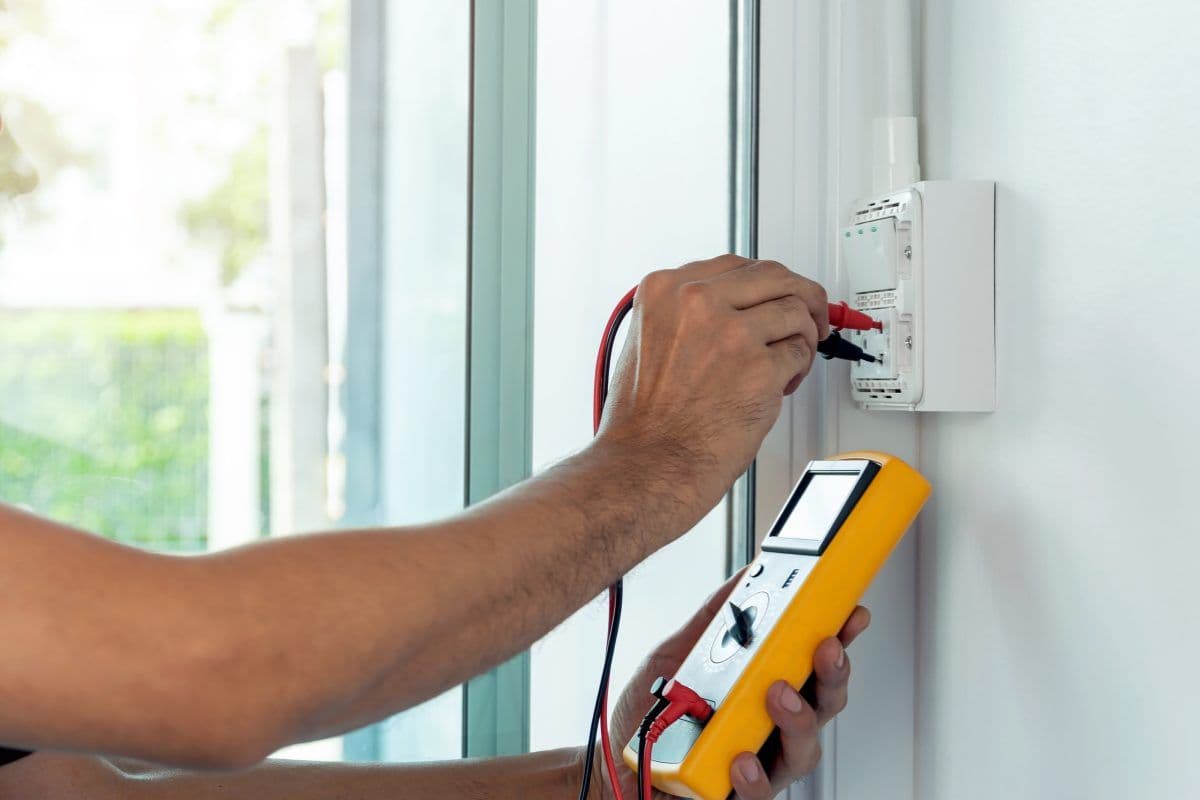
Portable appliance testing (PAT) will involve the use of specialised equipment by a competent person to assess the electrical integrity of the appliance.
This may include tests for insulation resistance, earth continuity, and polarity. Testing helps identify faults that may not be apparent during a visual inspection, ensuring a more comprehensive evaluation of safety.
Documentation and Compliance
Keeping detailed records of visual inspections and tests is paramount. Documentation serves multiple purposes, including tracking the maintenance history of each appliance, demonstrating compliance with regulations, and identifying recurring issues. Compliance with relevant regulations, such as the Health and Safety at Work Act and Electricity at Work Regulations, is essential to ensure legal and regulatory adherence.
Conclusion
Portable electrical appliance inspections and testing are not merely administrative tasks but critical measures for maintaining safety in our workplaces, and public spaces. By undertaking these organisations and individuals demonstrate a commitment to protecting lives and property. But its also important to understand that some equipment will be low risk and may not warrant the same inspection or testing frequency of those that are high risk.
A balanced approach backed up by a suitable and sufficient Risk Assessment and records will ensure compliance with regulations, and most importantly mitigate electrical hazards and create safer environments for everyone.
Arinite have been assisting our customers with health and safety information for some time and we have produced a Portable Appliance Testing AFS0126 fact sheet containing advice and guidance.
Contact us
Arinite clients worldwide appreciate we provide practical, no-nonsense advice about what you need to do to establish and maintain a safe and healthy working environment.
Our team of health and safety consultants take pride in keeping health and safety simple.
If you need to call upon our expert assistance, or just for an informal chat, please call our office +44 207 947 9581, or type an enquiry to: https://www.arinite.com/contact-us/.
Written by
Derek Mcstea
Health & Safety Expert at Arinite