Fire Risk Assessments: Why They Matter and How to Get Them Right
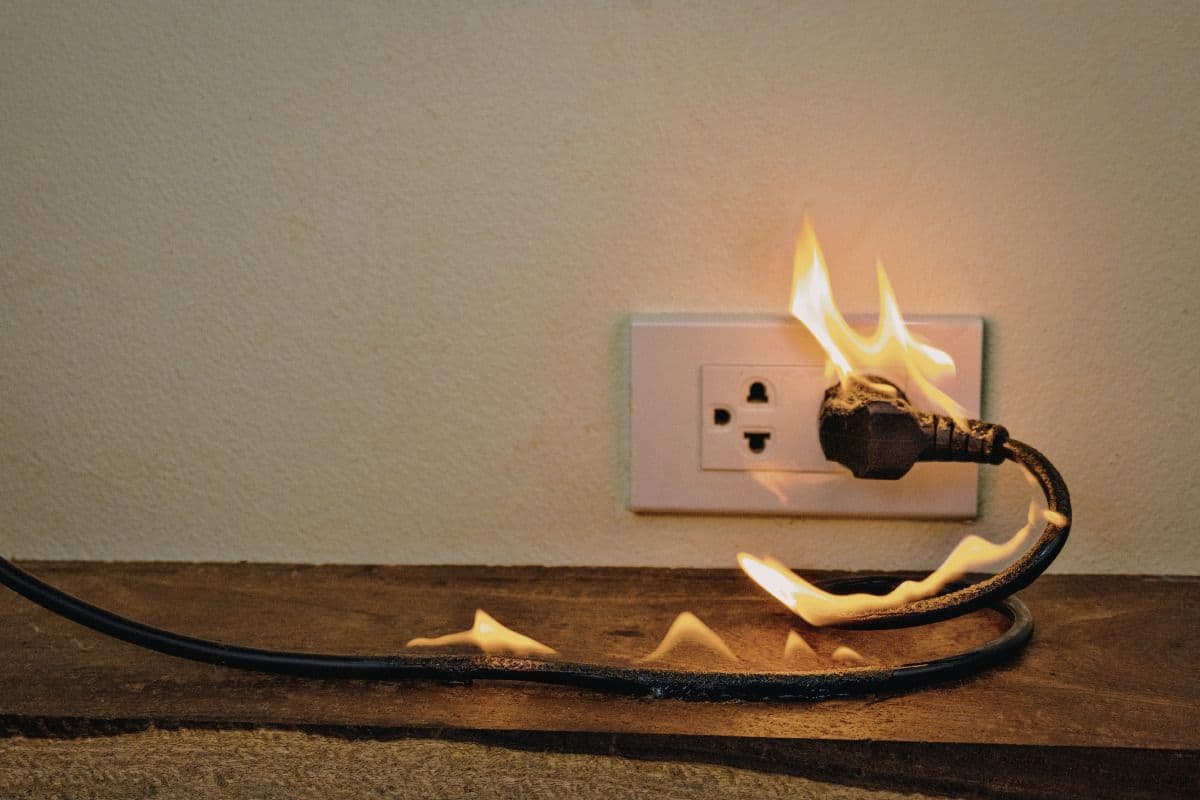
A Complete International Guide to Fire Safety Compliance
Fire risk assessments are essential for protecting people, property, and business continuity. This comprehensive guide explains why fire risk assessments matter, what regulatory requirements apply in different jurisdictions, and how to conduct them effectively. From identifying hazards to implementing controls, we guide you through the steps needed to get fire safety right and maintain compliance wherever you operate.
Introduction: Why Fire Risk Assessments Matter
Fire risk assessments form the foundation of effective fire safety management. They are both a legal requirement in most jurisdictions and a practical tool for preventing harm. The process examines potential ignition sources, materials or activities that could fuel a fire, and the people who may be at risk, including vulnerable groups. It evaluates how effectively a fire could be detected, contained, and controlled, and how safely people could evacuate.
A clear fire risk assessment supports safer building layouts, better evacuation planning, and appropriate training for staff. It provides evidence of compliance, reducing the likelihood of enforcement action. Most importantly, fire risk assessments protect lives by ensuring workplaces are continually monitored, adapted, and made resilient against preventable fire hazards.
For organisations operating internationally, fire safety requirements vary across jurisdictions. The UK's Regulatory Reform (Fire Safety) Order 2005 establishes specific duties, while the US relies on OSHA standards and NFPA codes. European Union member states implement fire safety through national regulations aligned with EU directives. Understanding these differences is essential for Global Health and Safety Consultants supporting multinational operations.
What is a Fire Risk Assessment?
A fire risk assessment is a systematic process that helps organisations understand how likely a fire is to occur and what measures are needed to keep people safe. It examines the workplace to identify fire hazards, determines who might be at risk, evaluates the adequacy of existing fire safety measures, and recommends improvements where necessary.
The assessment considers three elements required for fire to start: ignition sources such as heaters, electrical equipment, naked flames, or hot processes; fuel sources including paper, cardboard, textiles, flammable liquids, and combustible materials; and oxygen, which is present in normal air and may be supplemented by air conditioning, ventilation systems, or medical oxygen supplies.
Beyond identifying how fires might start, the assessment evaluates how fire might spread, how it would be detected, what suppression systems are in place, how people would be alerted, and whether evacuation routes and procedures are adequate. The outcome is a documented understanding of fire risks and a plan for managing them.
Why Should Fire Risk Assessments Be Performed?
Fire risk assessments serve multiple essential purposes. They are a legal requirement in most jurisdictions. They protect people from death, injury, and trauma. They protect property and assets from destruction. They protect business continuity by preventing operational disruption. And they provide evidence of due diligence that may be relevant in legal proceedings or insurance claims.
Our qualified consultants can help you implement the right health & safety measures for your business.Legal Requirements
Need Expert H&S Guidance?
In the UK, the Regulatory Reform (Fire Safety) Order 2005 requires the responsible person to carry out a fire risk assessment and implement appropriate fire safety measures. Similar requirements exist across other jurisdictions. Failure to conduct adequate fire risk assessments can result in enforcement action, prosecution, and significant penalties.
Life Safety
Fire claims lives and causes serious injuries every year. Workplace fires can trap people, expose them to toxic smoke, and cause burns and other injuries. Fire risk assessments identify hazards and ensure that detection, warning, and evacuation arrangements are adequate to protect everyone in the building, including vulnerable individuals.
Property Protection
Fire destroys buildings, equipment, stock, and records. Even where fire is contained, smoke and water damage can be extensive. Fire risk assessments help prevent fires from starting and limit their spread if they do occur, protecting assets and reducing potential losses.
Business Continuity
Beyond immediate physical damage, fire causes business disruption. Operations may be suspended for weeks or months during repairs. Customers may be lost to competitors. Staff may be made redundant. Some businesses never recover from significant fires. Fire risk assessments are an investment in business survival.
International Fire Safety Requirements
Fire safety regulatory frameworks vary across jurisdictions. International Health and Safety Consultants must understand these differences to support organisations operating in multiple countries.
United Kingdom
The Regulatory Reform (Fire Safety) Order 2005 (RRO) applies to virtually all non-domestic premises in England and Wales, with similar legislation in Scotland and Northern Ireland. The RRO requires the responsible person to carry out a fire risk assessment and implement appropriate measures. The responsible person is typically the employer, owner, or occupier with control over the premises.
The RRO does not prescribe a fixed review frequency, but assessments must be kept up to date and reviewed whenever circumstances change. Best practice suggests annual review for most workplaces, with immediate review following any significant change, fire, or near miss.
Following the Grenfell Tower tragedy, the Fire Safety Act 2021 and Building Safety Act 2022 introduced additional requirements for high-rise residential buildings, including clearer responsibilities for building owners and managers and requirements for fire risk assessments to include external walls and flat entrance doors.
European Union
EU member states implement fire safety through national regulations aligned with the Framework Directive 89/391/EEC, which requires employers to evaluate all risks including fire. The European standard EN 13501 classifies construction materials by fire performance. Individual member states have detailed national requirements that may exceed these minimum standards.
Germany, for example, has comprehensive fire safety requirements through building codes (Landesbauordnungen) and workplace safety regulations. France requires fire risk assessment as part of the Document Unique d'Évaluation des Risques Professionnels (DUERP). Spain's fire safety framework is built on the Technical Building Code (Código Técnico de la Edificación).
United States
US fire safety is regulated through a combination of federal OSHA standards, state and local fire codes, and standards developed by organisations such as the National Fire Protection Association (NFPA). OSHA requires employers to have emergency action plans and fire prevention plans under 29 CFR 1910.38 and 1910.39.
NFPA develops over 300 codes and standards that are widely adopted by state and local jurisdictions. NFPA 1 (Fire Code) provides comprehensive fire prevention requirements. NFPA 101 (Life Safety Code) focuses on building design for occupant protection. NFPA 72 covers fire alarm systems. Local fire departments conduct inspections and enforce adopted codes.
Australia and New Zealand
Australian states and territories regulate fire safety through building codes and work health and safety legislation. The National Construction Code sets building requirements including fire safety provisions. Work health and safety legislation requires risk assessment covering fire hazards. Australian Standard AS 3745 covers planning for emergencies in facilities including fire evacuation.
ISO 45001
ISO 45001, the international standard for occupational health and safety management systems, requires organisations to identify emergency situations including fire and plan responses. While not a fire safety standard itself, ISO 45001 integration ensures fire risk assessment is part of the broader occupational health and safety management system.
Who Should Perform a Fire Risk Assessment?
Fire risk assessments should be carried out by someone with the necessary training, experience, and understanding of fire safety principles. This may be an internal health and safety professional, a facilities manager with appropriate training, or an external specialist, depending on the complexity of the site.
The responsible person must ensure the assessment is suitable, sufficient, and kept up to date. For simple premises with low fire risk, a competent person within the organisation may be able to conduct an adequate assessment. For complex premises, high-risk activities, or buildings with special requirements such as sleeping accommodation, specialist expertise is advisable.
Competent fire risk assessors should possess formal fire safety training, relevant industry experience, and familiarity with applicable codes and standards. Professional certification from recognised bodies such as the Institution of Fire Engineers (IFE), the Institute of Fire Safety Managers (IFSM), or completion of NEBOSH fire safety qualifications demonstrates professional competence.
Health and Safety Consultants with fire safety expertise provide independent assessment, bring experience from multiple premises and sectors, and stay current with evolving requirements. External assessment also provides independence that can identify issues that internal staff may overlook or underestimate.
How Often Should Fire Risk Assessments Be Carried Out?
Fire risk assessments should be carried out regularly, but most jurisdictions do not prescribe a fixed legal timeframe. Instead, the requirement is that assessments are kept up to date and reviewed whenever circumstances change. Best practice guidance suggests the following approach.
Annual Review
At least once a year for most workplaces, to ensure controls remain effective and documentation reflects current conditions. Annual review provides a systematic check even when no obvious changes have occurred, as gradual drift in practices or conditions may otherwise go unnoticed.
After Significant Change
Immediate review following any significant change to the premises, activities, or occupancy. This includes building alterations, new equipment installation, changes to storage arrangements, staffing changes that affect fire safety responsibilities, or changes to how spaces are used. New or changed fire hazards require assessment.
After Fire or Near Miss
Review following any fire or near miss incident to identify what went wrong and prevent recurrence. Incidents reveal weaknesses in existing controls and provide opportunities for learning and improvement.
When New Information Emerges
Review when new information emerges, including updated legislation, industry standards, or guidance. Changes in regulatory requirements may necessitate reassessment against new criteria. Industry incidents or enforcement action elsewhere may highlight risks relevant to your premises.
A Step-by-Step Guide to Fire Risk Assessment
The following five-step process provides a systematic approach to fire risk assessment applicable across most premises and jurisdictions.
Step One: Identify Fire Hazards
Walk through the premises and look for anything that could start a fire or make it worse. Consider sources of ignition including heaters, cooking appliances, electrical equipment, lighting, naked flames, hot processes, and smoking materials. Identify fuel sources such as paper, cardboard, textiles, timber, flammable liquids, aerosols, packaging materials, and waste. Note oxygen sources beyond normal air, including ventilation systems, air conditioning, and oxygen cylinders in medical or industrial settings.
Pay particular attention to areas where ignition sources and fuel sources come together, as these represent the highest risk locations. Consider both normal operations and foreseeable abnormal situations such as equipment malfunction or human error.
Step Two: Identify People at Risk
Think about who is in the building and who might be especially vulnerable in a fire. This includes employees, visitors, customers, contractors, and members of the public. Give particular consideration to people with disabilities, young workers, new employees unfamiliar with the building layout, lone workers, and anyone who might have difficulty responding to fire warnings or evacuating quickly.
Consider where people are located, particularly those in areas remote from exits, in basements, on upper floors, or in areas with limited escape routes. Identify anyone who might be sleeping on the premises, as sleeping people are at significantly higher risk.
Step Three: Evaluate Risks and Take Precautions
Assess how likely it is that a fire could start and spread. Evaluate the effectiveness of existing controls including detection systems, warning systems, firefighting equipment, escape routes, emergency lighting, and fire safety training. Identify any gaps or inadequacies.
Take practical steps to reduce risk. Remove or reduce ignition sources where possible. Store flammable materials safely away from ignition sources. Ensure electrical equipment is maintained and not overloaded. Keep escape routes clear and ensure fire doors are not propped open. Remove unnecessary clutter and waste that could fuel a fire.
Step Four: Record Findings and Plan Actions
If you have five or more employees in the UK, you are legally required to record your findings in writing. Even where not legally required, documented assessments are good practice. Record the hazards identified, who is at risk, what controls are in place, and what additional measures are needed.
Create an action plan for implementing improvements, with clear responsibilities and timescales. Prioritise actions based on risk level, addressing the most significant risks first. Include both immediate actions to address urgent risks and longer-term improvements to fire safety systems and arrangements.
Step Five: Review Regularly
Fire risk assessment is not a one-off exercise. Review your assessment at least annually, after any significant change, after any fire or near miss, and when new information emerges. Keep documentation up to date and ensure that action plans are implemented and effective.
Regular review ensures that fire safety arrangements remain appropriate as premises, activities, and occupancy evolve. It also demonstrates ongoing commitment to fire safety that may be relevant in enforcement or legal proceedings.
Common Fire Risk Assessment Deficiencies
Health and Safety Audits frequently identify common deficiencies in fire risk assessments. Understanding these helps you avoid similar shortcomings.
Inadequate Hazard Identification
Assessments that fail to identify all relevant fire hazards, particularly in storage areas, plant rooms, and less frequently visited spaces. Incomplete hazard identification leads to incomplete risk evaluation and inadequate controls.
Failure to Consider Vulnerable People
Assessments that focus only on able-bodied employees and fail to consider visitors, contractors, people with disabilities, or others who might have difficulty evacuating. Fire safety arrangements must work for everyone who might be in the building.
Inadequate Emergency Arrangements
Escape routes that are obstructed, poorly signed, or inadequately lit. Fire doors propped open or poorly maintained. Inadequate or missing evacuation procedures. Assembly points that are unclear or unsuitable. These deficiencies compromise life safety in the event of fire.
Poor Documentation
Assessments that are incomplete, out of date, or fail to record significant findings. Documentation should provide a clear record of what was assessed, what was found, and what actions were taken. Poor documentation undermines the value of the assessment and may not satisfy legal requirements.
Failure to Implement Actions
Assessments that identify necessary improvements but fail to implement them. An assessment is only valuable if its findings lead to action. Action plans should have clear ownership, realistic timescales, and follow-up to verify completion.
How Arinite Supports Fire Risk Assessment
Arinite provides comprehensive fire risk assessment services delivered by CMIOSH-qualified Health and Safety Consultants with fire safety expertise. Our assessments are thorough, practical, and compliant with regulatory requirements.
We conduct fire risk assessments for premises of all types, from simple offices to complex industrial facilities. Our assessments follow the five-step methodology, examining hazards, identifying people at risk, evaluating existing controls, recommending improvements, and documenting findings clearly.
Our assessments go beyond minimum compliance to identify practical improvements that enhance fire safety. We provide clear reports with prioritised action plans, helping you understand what needs to be done and why. We can also support implementation of recommendations and provide ongoing review.
For organisations with multiple sites, our Health and Safety Consultants and Software approach enables consistent assessments across all locations with centralised tracking of findings and actions. This ensures that fire safety standards are maintained consistently wherever you operate.
Our Global Health and Safety Consultants support international organisations with fire risk assessments that satisfy diverse regulatory requirements. We understand how requirements vary across jurisdictions and help you maintain appropriate standards in every country where you operate. With support for over 1,500 global businesses across more than 50 countries, we bring experience across diverse regulatory environments.
Our Keeping It Simple philosophy means practical assessments without unnecessary complexity. We focus on what matters: identifying real fire risks and recommending effective controls that protect your people and your business.
Contact Arinite today to discuss your fire risk assessment requirements. Call +44 (0)20 7947 9581 or visit www.arinite.com to book your free 30-minute Gap Analysis Call.
Frequently Asked Questions
What is the legal requirement for fire risk assessments in the UK?
The Regulatory Reform (Fire Safety) Order 2005 requires the responsible person to carry out a fire risk assessment for virtually all non-domestic premises in England and Wales. Similar legislation applies in Scotland and Northern Ireland. The assessment must be suitable and sufficient and kept up to date.
Who is the responsible person for fire safety?
The responsible person is typically the employer for workplaces, the owner or occupier for other premises, or anyone with control over the premises or fire safety systems. In practice, there may be multiple responsible persons with overlapping duties who must cooperate and coordinate.
How often must fire risk assessments be reviewed?
There is no fixed legal frequency, but assessments must be kept up to date. Best practice suggests annual review at minimum, with immediate review following any significant change, fire, near miss, or when new information emerges.
Can I do my own fire risk assessment?
For simple, low-risk premises, a competent person within the organisation may be able to conduct an adequate assessment. For complex premises, high-risk activities, or buildings with special requirements, specialist expertise is advisable. The responsible person remains accountable for ensuring the assessment is suitable and sufficient.
What qualifications should a fire risk assessor have?
Competent fire risk assessors should have formal fire safety training, relevant experience, and familiarity with applicable regulations. Professional certification from bodies such as the Institution of Fire Engineers, Institute of Fire Safety Managers, or NEBOSH fire safety qualifications demonstrates competence.
What must be recorded in a fire risk assessment?
UK law requires employers with five or more employees to record significant findings of the assessment. Good practice for any premises includes recording hazards identified, people at risk, existing controls, additional measures needed, action plans, and review dates.
What are the consequences of not having a fire risk assessment?
Failure to conduct or maintain adequate fire risk assessments can result in enforcement notices, prohibition notices, prosecution, and significant fines. In the event of fire causing death or injury, inadequate fire risk assessment may support charges of gross negligence manslaughter or corporate manslaughter.
Do fire risk assessment requirements vary internationally?
Yes. While most jurisdictions require some form of fire risk assessment, specific requirements vary. The UK has the RRO, the US relies on OSHA and NFPA standards, EU member states have national regulations aligned with EU directives, and other countries have their own frameworks. International Health and Safety Consultants help navigate these differences.
How do fire risk assessments relate to Health and Safety Audits?
Fire risk assessment is one component of overall health and safety management that may be examined in Health and Safety Audits. Audits assess whether fire risk assessments have been conducted, are adequate, are kept up to date, and whether recommended actions have been implemented effectively.
How can Health and Safety Consultants help with fire risk assessment?
Health and Safety Consultants bring expertise, independence, and experience from multiple premises. They can conduct thorough assessments, identify issues that internal staff might miss, ensure compliance with legal requirements, and provide practical recommendations. For international organisations, Global Health and Safety Consultants ensure consistent standards across different regulatory environments.
Our Credentials
CMIOSH-qualified consultants
Supporting 1,500+ global businesses
Operations across 50+ countries
95%+ client retention rate
Written by
Arinite Health & Safety Consultants
Health & Safety Expert at Arinite