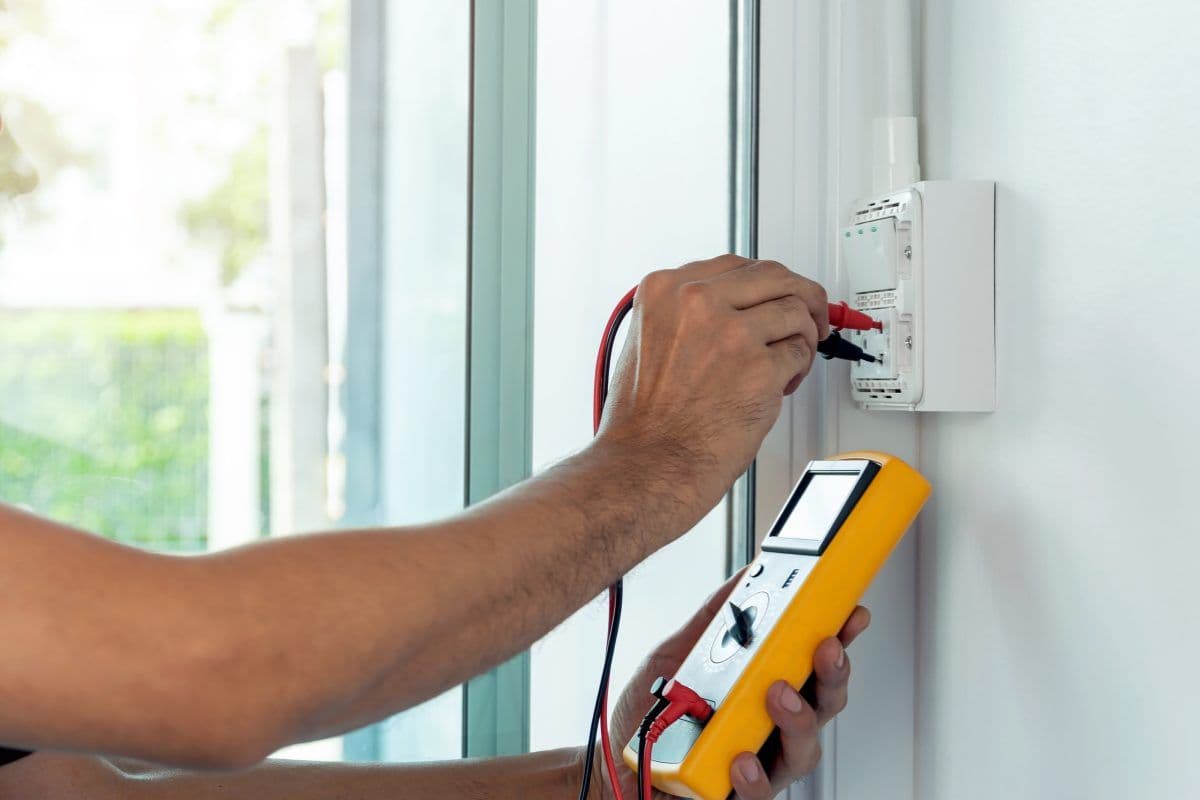
Unlocking the Benefits of a Health and Safety Audit in 2023

Health and safety audits are essential for maintaining compliance, recognising improvement areas and guaranteeing effective health and safety policies.
Having all staff members comprehend their responsibilities regarding safe practices is paramount in creating a secure environment that adheres to proper protocols; this is the target for performing these kinds of audits. Are you ready to benefit from utilising them within your organisation?
Short Summary
- Health and Safety Audits evaluate adherence to safety regulations, identify hazards and ensure compliance with HSE.
- Internal audits provide insight into protocols, while external audits are conducted by a professional for impartiality.
- Health and safety should be audited annually to maintain compliance and create a positive work environment.
- An audit looks at paperwork which can say X, but you need visual inspections to verify X is in place.

Understanding Health and Safety Audit & Inspection
Health and safety audits verify adherence to relevant regulations, determine the effectiveness of current health and safety protocols and recognise potential hazards.
The Health and Safety Executive (HSE) serves a vital role in assisting businesses with their audit processes by providing them with practical frameworks for monitoring health and safety performance effectively according to recent standards while helping them identify risks that require corrective measures.
Not only do these security surveys help promote safe working conditions, but they also guarantee good physical well-being overall through compliance of organisations when it comes to managing inspections, adhering to laws related to this field, enforcing protection policies and ensuring personnel are always secure from any form of unforeseeable harm or danger.
Arinite Health and Safety Consultancy provides health and safety services and support to a diverse customer base, including health and social care, financial service companies, NHS, Clinical Commissioning Groups, retail chains, schools, manufacturers, assembly plants, warehouses and other sectors across the UK, Ireland and several countries worldwide.
The Role of Health and Safety Executive (HSE)
Need Expert H&S Guidance?
Our qualified consultants can help you implement the right health & safety measures for your business.
The Health and Safety Executive is responsible for setting the bar regarding health and safety audits.
They provide instructions on what needs to be examined, how extensively it should occur, and establish criteria for measuring its success. The HSE also assists businesses with implementing corrective measures after an audit and developing a comprehensive policy regarding worker safety.
Just how important this executive board's role is when conducting safety reviews cannot be overstated. HSE ensures organisations remain compliant while protecting workers from any potential hazards or risks within their workspace environment through effective policies.
Having such practices allows organisations to adhere to regulations and create a proactive atmosphere focused on employee welfare, leading to greater long-term prosperity.
Types of Health and Safety Audit & Inspection
Health and safety audits are divided into two distinct categories: internal and external.
These inspections aim to identify any areas in which health or safety regulations have been violated, thus promoting compliance with the law. Both versions aim to do this, though there are particular distinctions between them regarding implementation procedures and the benefits gained from each one.
Let us look at these audit processes and what specific occasions they should be used for.
Internal Audit & Inspection
Safety compliance audits, also known as internal health and safety audits, are cost-effective measures executed by a competent individual who has received specialised training in other pertinent qualities.
It helps guarantee objectivity and impartiality since the audit is conducted by an employee from outside of the department that is being assessed.
This type of examination offers organisations insight into their current protocols regarding safe operations while simultaneously allowing them to uncover any issues before external auditors conduct separate investigations.
They function as a management tool for maintaining high health and safety performance standards.
External Audit & Inspection
An external audit is carried out by a competent person with the necessary qualifications and experience, typically someone working as a health and safety consultant, to ensure that health and safety procedures align with regulations.
They visit the business to analyse data, personnel systems and policies so that any potential weak spots or areas of improvement can be detected.
This approach provides objectivity plus fresh insight into organisational safeguards, resulting in compliance being upheld.
Having another professional's point of view grants businesses a thorough review of their existing safety practices, preventing possible consequences like fines from occurring while still providing suitable conditions for safe work environments.
Developing a Comprehensive Safety Audit & Inspection System
Creating a tailored safety audit system is essential for evaluating the protection of an organisation's operations and systems while pinpointing areas that can be improved. It helps to ensure compliance with health and safety regulations.
The process includes designing a custom checklist including relevant queries pertinent to each industry's unique requirements and hazard management inquiries as part of its auditing procedure. Doing this ensures audits are both precise in scope and comprehensive enough to cover all elements necessary within any given business environment.
Customising the Safety Audit & Inspection Template
A safety audit template is used to evaluate and review an organisation's procedures for ensuring health and safety compliance with regulations.
The document allows users to recognise potential dangers, assess associated risks and verify that all appropriate precautions are in place.
It has sections dealing with topics like protective gear, tools/machinery used, electrical security protocols, etc., providing guidance when conducting the assessment.
The contents of this checklist can be modified depending on certain factors, such as industry type or enterprise size, allowing companies to tailor it to their specific needs.
By adjusting the format so closely linked to company specifics, one may identify possible threats they have not considered before, thereby reducing hazards more effectively.
Key Components of a Health and Safety Audit & Inspection
Carrying out a safety audit is essential for any organisation that wants to maintain high-performance levels and remain compliant with health and safety standards.
Examining the implementation of various safety procedures and analysing training records are two critical components of this process.
It's also important not to overlook creating an appropriate cover letter accompanying the audit report, ensuring all relevant points have been addressed correctly.

Assessing Safety Procedures
When conducting a safety audit, it is important to assess the effectiveness of existing safety procedures to detect areas for potential improvement.
Safety processes are used to pinpoint risks and threats and log relevant data. They must comply with laws regarding health and welfare at work.
Evaluating these protocols during an audit can help organisations maintain their security performance while minimising possible hazards and providing safe conditions for all personnel involved.
Through this evaluation process, businesses have greater opportunities to identify where improvements must be made concerning healthcare protection standards and overall employee safety.
Reviewing Safety Training Records
Maintaining safety training records is essential to upholding a safe work environment and complying with health and safety regulations.
These documents provide evidence of employees having participated in appropriate new starter training / instruction sessions and their certifications from these activities.
Details such as the date of each programme and topics discussed within the classes are included, among other relevant information obtained throughout this process.
Assessing an individual's safety training data during a regular audit inspection for occupational well-being can ensure workers remain informed on following proper policies regarding being secure at the workplace, which promotes both protection and productivity.
Implementing Corrective Actions Following a Safety Audit & Inspection
A safety audit is the first step for an organisation to identify any areas needing improvement regarding health and safety regulations.
Following this, corrective measures must be taken to address these issues properly. These may include changing policies or procedures, offering extra employee training opportunities, or implementing better health and safety laws and compliance standards.
It's a key part of keeping everyone safety while maintaining necessary legal protocols.
Establishing a Clear Action Plan
Creating an organised and prioritised action plan to respond to audit findings and suggestions is significant for adequately carrying out corrective actions. An action plan serves as a document that includes the various tasks required to complete a specific project or achieve some objective(s).
To construct this kind of strategy, one must determine what one wants to accomplish, separate that goal into smaller segments, assign each task to its responsible individual(s), set due dates for every step involved and monitor progress.
When formulating an effective course of action, steps must be given specific levels of priority so those most crucial components are handled initially while resources can be conserved overall.
Having such concise plans ensures your organisation takes proper measures concerning audit results, thus helping them promote safety efficiency within their workplace, abide by applicable regulations and preserve general security conditions.
Frequency of Health and Safety Audit & Inspection
Organisations should prioritise regular health and safety audits to stay compliant with applicable regulations, identify potential risks, maintain high standards of safety performance and develop a culture that prioritises well-being.
These audits need to be conducted at least annually. The optimal frequency can depend on business size or industry-specific requirements.
Modifying audit schedules for specific needs ensures an efficient approach towards maintaining up-to-date knowledge about health and safety protocols throughout the organisation.
The Impact of a Positive Safety Culture
Health and safety audits should be regularly conducted to build a favourable safety culture in the workplace.
These internal reviews will help to ensure that employees' well-being is prioritised and upheld while improving overall productivity, morale and success for the organisation.
The results of these inspections are also beneficial as they can reduce accidents at work by having clear expectations about what must be done to keep everyone safe.
Overall, this fosters an environment that positively emphasises both health and safety through audit processes, resulting in improved performance regarding increased employee satisfaction levels, ultimately enabling business growth from such changes being implemented.

Summary
Health and safety audits are a must for keeping a safe and compliant environment.
Establishing the best audit system, implementing corrective steps after auditing, and being dedicated to ongoing growth in health and safety can help organisations strengthen their overall performance related to protecting personnel's well-being while creating a safer workplace overall.
It all boils down to commitment when optimising the advantages of conducting such audits.
Frequently Asked Questions
What should a health and safety audit & Inspection include?
A health and safety audit should include documents such as policy statements, risk assessment records, safe working procedures, safety training, health and safety roles and responsibilities, permit-to-work systems, accident/near miss investigations and reports, and other written materials like injury/illness logs, Safety Data Sheets and manufacturers' literature.
It should also identify risks associated with work processes, the work environment, fire emergency procedures, if relevant warehouse and shipping guidelines, lighting, electrical and overall housekeeping.
How do you prepare for a health and safety audit & Inspection?
To adequately prepare for a safety audit, one must form an appropriate team and review the relevant health legislation. It is important to identify key aspects that should be assessed during this process and decide who has the necessary skill set to do so. Carefully plan when exactly it needs to take place. Finally, perform the actual examination once all these elements are accounted for. Health-related components and security need special attention throughout this task before reaching its conclusion successfully.
What is the purpose of HSE audit & Inspection?
HSE audits are undertaken to evaluate whether the safety controls in place within an organisation meet requirements and remain valid for future use. These assessments identify any potential risks or hazards that could be present, as well as confirm compliance with all necessary regulations related to health and safety. The audit ensures organisations take the appropriate steps towards mitigating said dangers effectively, thus ensuring optimal levels of safety at all times.
What are the differences between internal and external health and safety audit & Inspection?
Workers within the organisation do internal health and safety audits, while certified external specialists perform external ones. In both cases, their purpose is to identify possible violations of health or safety regulations and ensure compliance with them. The keyword for such inspections remains "safety" - it may be related either to protection measures against danger (such as security breaches) or a person's well-being (as in upholding the highest standards).
For further help and advice, contact Arinite today
Arinite provides health and safety consultancy services in the workplace across the UK and Globally with locally-based International Consultants.
UK and International client sectors include low-risk offices, IT, digital/marketing, finance, banks, solicitors, retail chains, schools, manufacturers, engineering, assembly, warehousing, logistics, NHS, charities, health and social care.....many of them are multi-sited.
Written by
Josh
Health & Safety Expert at Arinite