Optimising Health and Safety in Lower Risk Offices

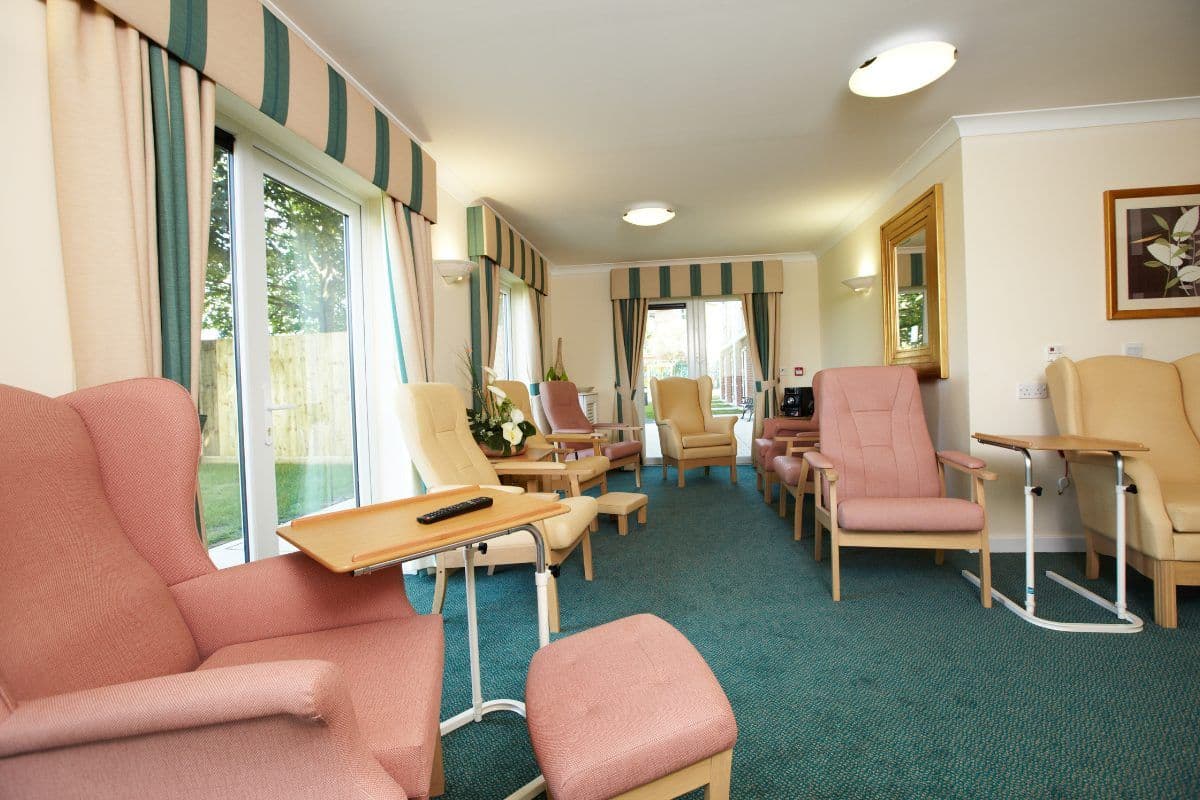
In today's dynamic work landscape, the significance of health and safety in office environments cannot be overstated. Lower-risk offices may not face the same immediate dangers as high-risk industries, but neglecting health and safety measures can lead to potential risks and compromised employee well-being.
This article delves deeper into the multifaceted aspects of optimising health and safety in lower-risk offices and the strategies to ensure the well-being of employees, encompassing fire safety, emergency preparedness, hazard identification, risk assessment, control measures, safety culture, employee training and the benefits of health and safety consultancy.
Ergonomics for Improved Well-being
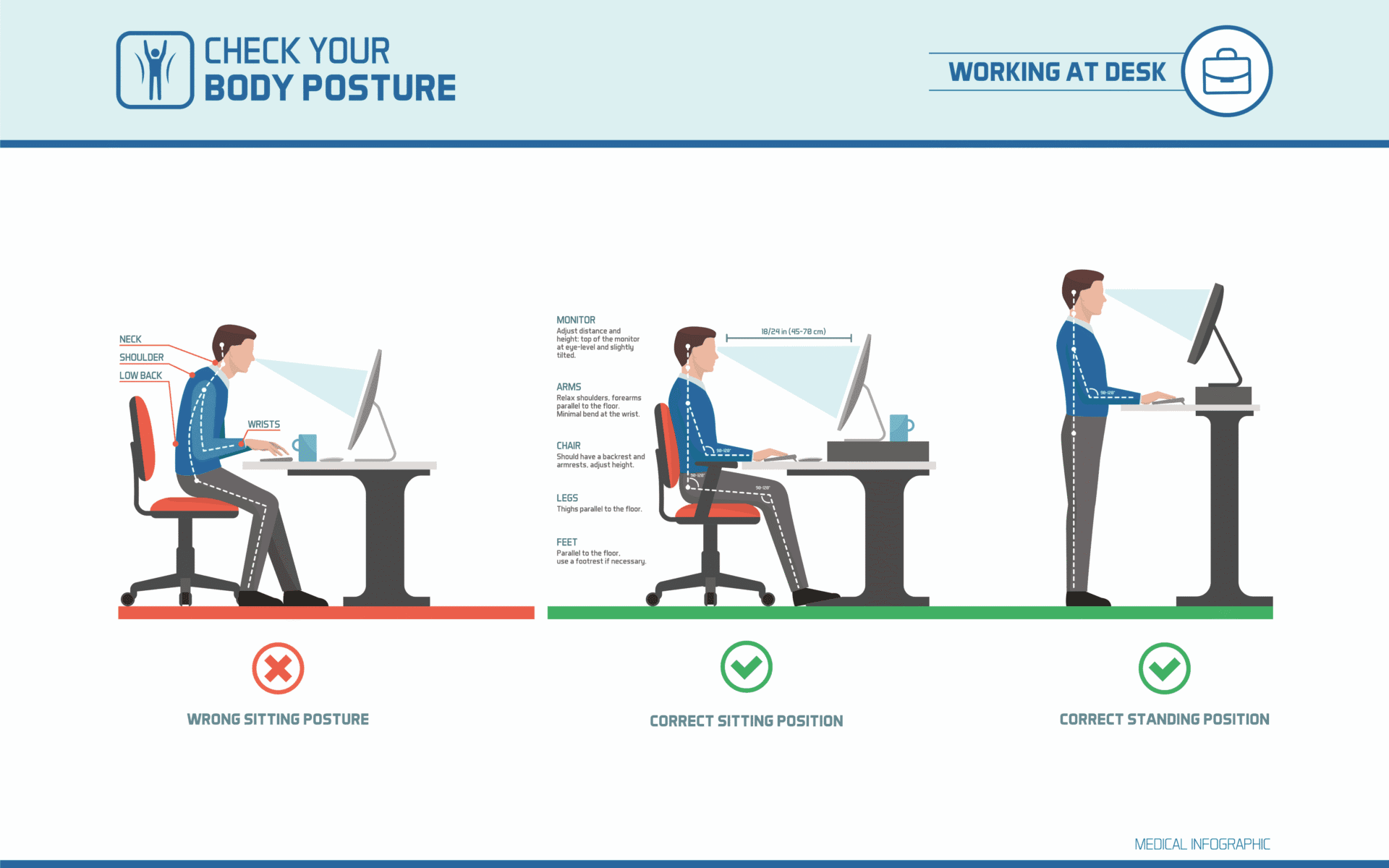
One of the fundamental aspects of optimising health and safety in offices is prioritising ergonomic design.
Poor ergonomics can lead to discomfort, musculoskeletal issues, and decreased productivity. Investing in ergonomic furniture such as adjustable chairs, sit-stand desks, and proper keyboard and monitor placement can significantly enhance employee comfort and well-being.
Regular training and awareness programmes can also educate employees on good posture and techniques to reduce strain, ultimately contributing to a healthier and more productive workforce.
Air Quality and Ventilation
Air quality is vital in maintaining a healthy office environment.
Adequate ventilation and air circulation are crucial for reducing the spread of airborne pathogens and maintaining optimal indoor air quality. Regular maintenance of HVAC systems, proper filtration, and increasing natural ventilation when possible, can significantly improve air quality.
Employers should also consider implementing green indoor plants that enhance air purification and the atmosphere.
Hygiene and Sanitation Practices
Need Expert H&S Guidance?
Our qualified consultants can help you implement the right health & safety measures for your business.
Promoting good hygiene and sanitation practices is essential in preventing the spread of illnesses in office spaces.
Lower-risk offices should implement routine cleaning and disinfection protocols for commonly touched surfaces such as doorknobs, elevator buttons and shared equipment.
Additionally, providing easy access to hand sanitisers and encouraging frequent hand washing can significantly reduce the risk of infections and create a healthier workplace.
Emergency Preparedness and Communication
Even in lower-risk office settings, emergencies can still occur.
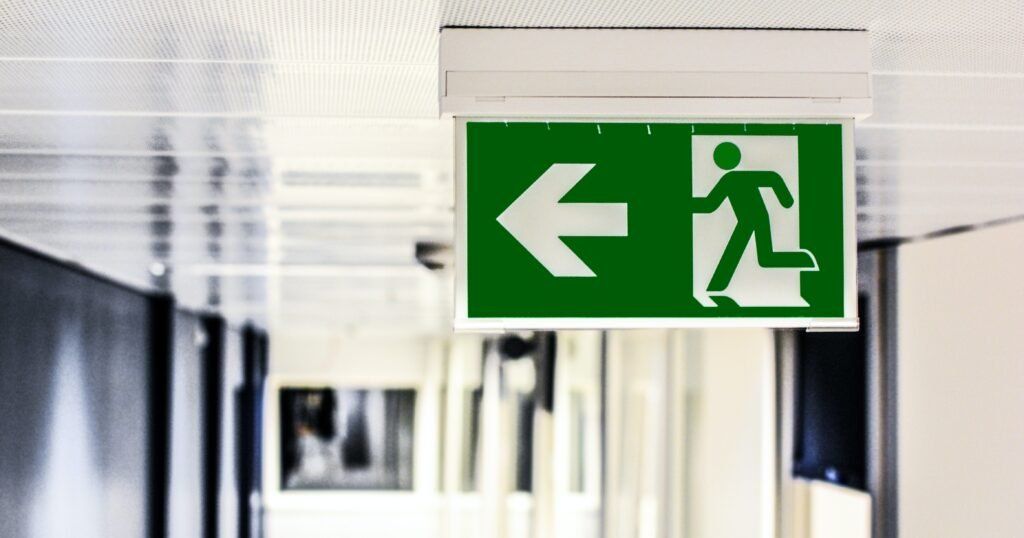
Establishing comprehensive emergency preparedness plans and ensuring clear communication of these protocols to all employees is imperative.
Regular drills for evacuation procedures, fire safety and first aid can ensure that everyone is well-prepared to handle unexpected situations.
Additionally, maintaining up-to-date contact lists and communication channels can facilitate quick dissemination of information during emergencies.

Mental Health and Well-being
Optimising health and safety in offices goes beyond physical aspects; it also encompasses mental health and well-being.
Resources such as access to counselling services, stress management workshops, and designated quiet areas can support employees' emotional and mental well-being.
Encouraging open dialogue about mental health, reducing stigma and fostering a positive work culture can create an environment where employees feel supported and valued.
Additionally, maintaining up-to-date contact lists and communication channels can facilitate quick dissemination of information during emergencies.
Flexibility and Work-Life Balance
Promoting work-life balance and flexible work arrangements can contribute to physical and mental well-being.
Allowing employees to adjust their work hours, providing remote work options when feasible and encouraging breaks throughout the day can reduce stress and burnout.
By acknowledging the importance of personal time and family responsibilities, employers can foster a healthier work environment, leading to increased job satisfaction and productivity.
Fire Safety and Emergency Preparedness
Fire safety is fundamental to health and safety in any workplace, including lower-risk offices.
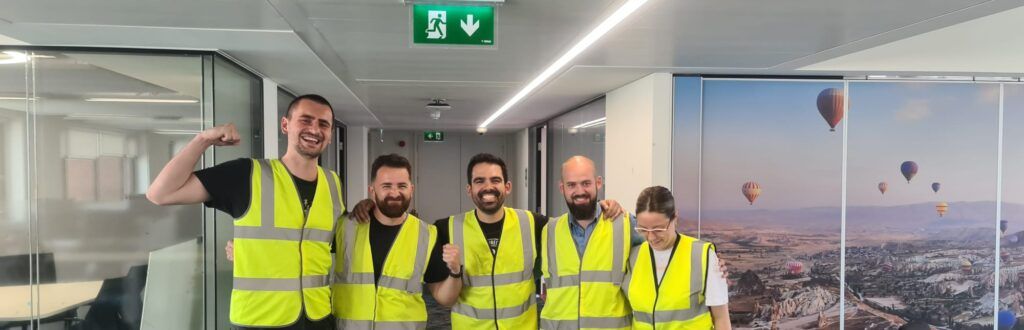
Establishing comprehensive fire safety protocols, such as evacuation plans, fire drills and the proper placement of fire extinguishers and alarms, is essential.
Creating well-defined emergency response teams, equipped with the knowledge to handle various scenarios, ensures a swift and organised response in emergencies.
Regular drills and training sessions help employees become familiar with evacuation routes and emergency procedures, minimising panic and potential injuries.
Identifying Hazards and Conducting Risk Assessments
Even in lower-risk offices, potential hazards can exist. Identifying these hazards is a critical step in ensuring the safety of employees.
Regular workplace inspections and hazard assessments help uncover potential risks, such as faulty wiring, cluttered walkways or improper storage of materials.
Conducting thorough risk assessments allows organisations to prioritise and mitigate these risks effectively.
Implementing Control Measures
Mitigating risks involves implementing control measures to reduce or eliminate potential hazards.
Simple adjustments can significantly enhance safety, such as ensuring proper storage practices, using non-slip mats and maintaining clutter-free workspaces.
Installing safety equipment, such as ergonomic furniture and appropriate lighting, contributes to employee well-being.
Lower-risk offices create a safer and more conducive work environment by addressing these aspects.
Cultivating a Safety-Conscious Culture
Creating a safety culture is a foundational element in optimising office health and safety.
Having a safety culture involves fostering a mindset where employees proactively identify and report potential hazards.
Open lines of communication between management and employees allow for the timely resolution of safety concerns.
Recognising and rewarding safe behaviours further reinforces the importance of maintaining a safe workplace.
Employee Training and Empowerment
Providing comprehensive health and safety training equips employees with the knowledge and skills needed to navigate potential risks.
Training should cover, for example, emergency response, proper equipment usage, hazard identification and reporting procedures.
Empowering employees to take an active role in their safety builds a strong safety culture and enhances overall awareness.
Health and Safety Consultancy for Lower Risk Offices
Partnering with a health and safety consultant can provide lower-risk offices with invaluable expertise and support.
These professionals bring in-depth knowledge of regulations, best practices and emerging trends in health and safety.
Consultants can conduct thorough audits, identify areas for improvement and offer tailored recommendations to enhance workplace safety.
Benefits of Partnering with a Safety Consultant
Expertise: Health and safety consultants possess specialised knowledge and experience in identifying potential risks and implementing effective control measures, ensuring compliance with regulations.
Customised Solutions: Consultants tailor their recommendations to a lower-risk office's unique needs and challenges, maximising the effectiveness of safety measures.
Time and Resource Savings: Outsourcing health and safety consultation allows internal resources to focus on core business operations while experts handle safety assessments and improvements.
Regulatory Compliance: Consultants stay current with evolving regulations, ensuring the office complies with legal requirements.
Continuous Improvement: Consultants provide ongoing support and guidance, assisting offices in maintaining a proactive approach to health and safety.
Summary
Lower-risk offices must stay attuned to emerging trends, regulations and best practices, ensuring their safety measures remain cutting-edge and aligned with employee needs.
Optimising health and safety is not merely a checkbox but a commitment to the well-being of employees and the organisation's overall success. By weaving together the threads of fire safety, risk assessment and a safety-focused culture, lower-risk offices can create a workplace that flourishes on security, productivity and employee satisfaction.
Collaborating with health and safety consultants adds valuable expertise to this process, allowing lower-risk offices to tailor their safety measures precisely. By harnessing the insights of these professionals, organisations can proactively address potential risks and ensure that their workplace remains a secure haven for employees.
Arinite provides health and safety consultancy services in the workplace across the UK and Globally, with locally based International Consultants.
UK and International client sectors include: low risk offices, IT, digital/marketing, finance, banks, solicitors, retail chains, schools, manufacturers, engineering, assembly, warehousing, logistics, NHS, charities, health and social care.....many of them are multi-sited.
Frequently Asked Questions
What are low-risk workplaces?
Workplaces considered low-risk have workers who receive adequate safety precautions, training and communication. These places usually implement clear policies to aid with hazard identification, evaluation and control of potential risks. Good housekeeping practices also help promote a safe working environment for the employees.
What is a low-risk establishment?
Safety should be a priority at any business or workplace to prevent the possibility of harm or injury to those who work there. A "low-risk establishment" has minimal danger and presents little likelihood of causing damage to employees and visitors alike. Ensuring all necessary measures are taken will help make sure everyone remains safe while interacting with their environment.
What is an example of a risk in an office?
Employers need to take preventive measures to reduce potential risks related to work safety. For instance, it could be an issue if surfaces are wet and difficult to walk on, or lighting/electrical equipment is faulty, as these can increase the likelihood of falling over, which could result in serious injuries. Inappropriate furniture arrangement increases the chances of tripping accidents at a workplace, which should also be considered when providing employees with suitable conditions during their working hours.
What is health and safety in a workplace?
Health and safety in the workplace is an integral part of any successful business. Employers must implement policies, systems and procedures to ensure their employees' well-being while reducing potential health or property damage risks. Taking measures for a safe work environment creates greater productivity, ultimately improving company profits.
Why is mental health important in Safe offices?
Employers should be conscious of mental health's importance on workplace productivity and work towards providing their staff with a safe environment in offices free from risk. Investing in strategies designed to strengthen employees' mental well-being can ultimately lead to increased morale among team members and more work engagement.
For further help and advice, contact Arinite today
Arinite provides health and safety consultancy services in the workplace across the UK and Globally, with locally based International Consultants.
UK and International client sectors include: low risk offices, IT, digital/marketing, finance, banks, solicitors, retail chains, schools, manufacturers, engineering, assembly, warehousing, logistics, NHS, charities, health and social care.....many of them are multi-sited.
Written by
Jan Mirkowski
Health & Safety Expert at Arinite