May 2021 Monthly Blog – Hybrid working after the pandemic
Isn’t it all starting to seem like a distant nightmare when last year the Government instructed us that everyone who could work from home should do so?
Homeworking worked better than many could have imagined, and perceived barriers fell away as managers learned to design work differently and employees adapted all around the world
Hybrid working
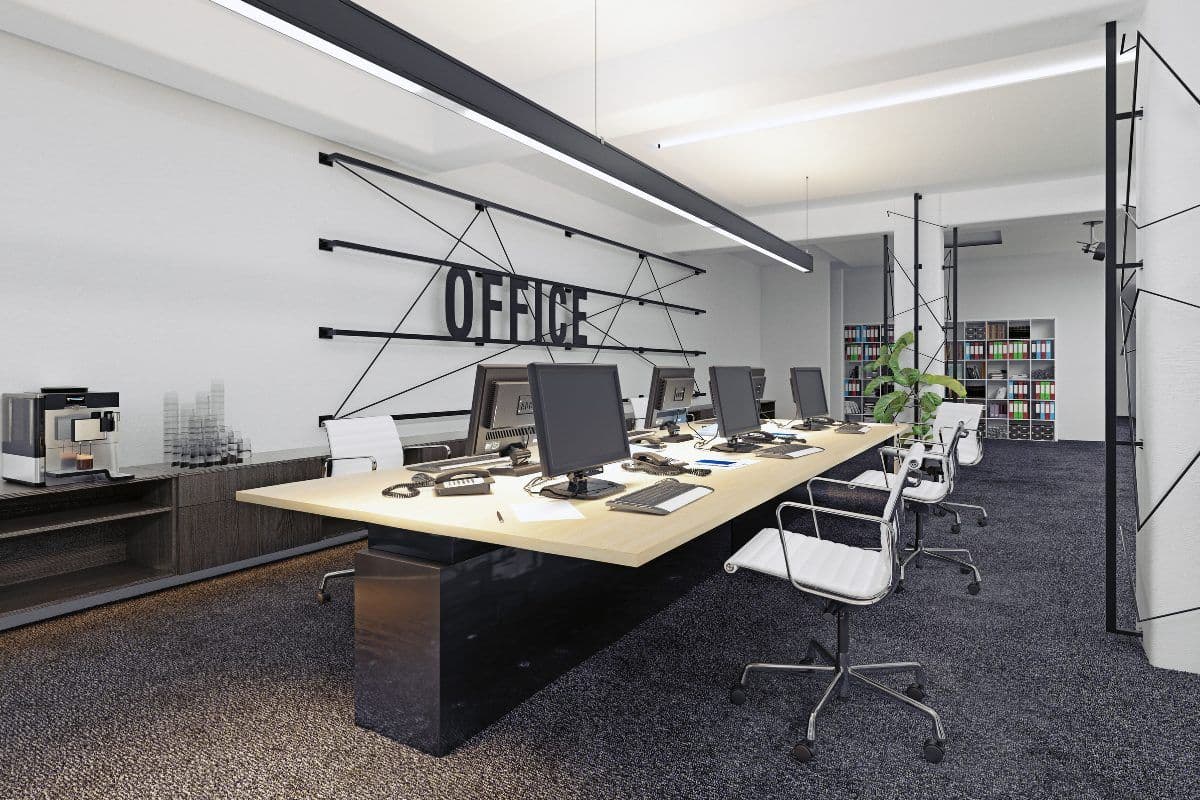
The current trend is towards “hybrid working”, meaning that staff split their time between the office and a virtual environment (normally home).
This could provide a “win-win” for employers, employees and for the environment (with less commuting), however managers should take the trouble to properly consult staff.
The health & safety implications need to be considered too – but what if some of your hybrid workers spend some or all of their time working overseas where different approaches exist?
Overseas
EU-OSHA treats COVID-19 as falling within the category of “biological agent” – and don’t forget that most EU health & safety laws still apply in the UK.
You therefore need to consider COVID-19 within your risk assessments - not only for those workers who may be directly exposed to infection, such as medical staff/carers, but anyone who might unwittingly pick up the virus and bring it into the workplace (and now we must include homes here).
Arinite can provide in-depth support with your risk assessments
If you are permanently introducing hybrid working, you might need to consider arrangements for:
- Providing and recovering work equipment.
- Reimbursing employees for the costs of their working space – e.g. electricity, heating, business insurance, maintenance and perhaps a nominal rent for the space used within the private dwelling as office space.
- Travel expenses for business trips that may cover greater distances than from the office building.
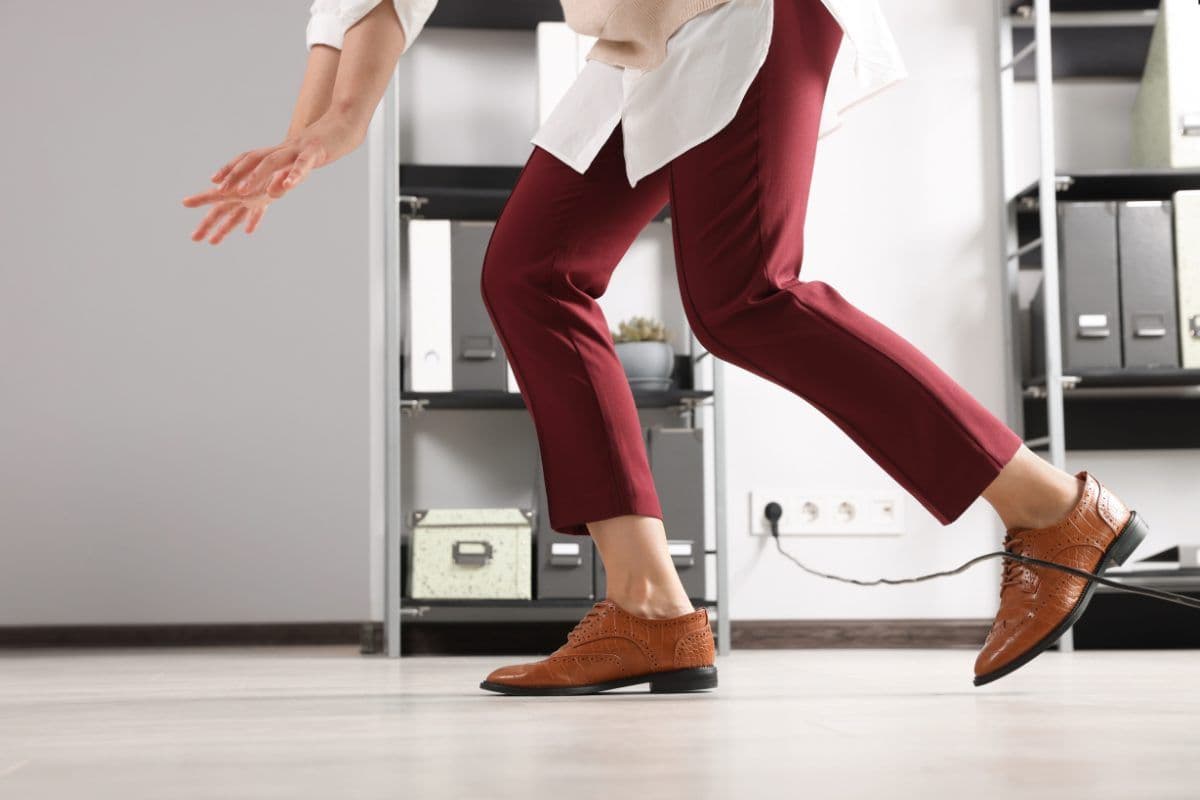
- Providing advice to employees on how to keep their homes safe. A German Federal Social Court in 2016 denied coverage under their accident insurance scheme when an employee suffered an accident walking from his office desk to the kitchen in his own home. In China, the competent labour authority makes the decision as to whether an injured homeworker is eligible for compensation.
- Recording working hours in countries where working time regulations apply (especially EU).
- Protecting company data from other household occupants.
- The participation of works councils in home-working activities (especially in EU countries).
- Bringing staff back into offices for negotiations, critical business decisions, brainstorming sessions, providing sensitive feedback, and training - all examples of activities that may lose effectiveness when done remotely.
- Transitioning to new types of jobs.
- Procedures for quarantining anyone who reports a COVID infection.
- Travel to and from countries with higher COVID infection rates.
Outwards-facing
Need Expert H&S Guidance?
Our qualified consultants can help you implement the right health & safety measures for your business.
You also need to check the COVID standards in each country that you operate in. A random selection shows, for example:
- If it is unavoidable for staff to attend workplaces in Germany, each employee must have at least 10m3 of space.
- French employees feeling the need to come back to work on-site, should, where possible, be allowed to do so 1 day per week (subject to employer agreement).
- Switzerland and France made an agreement over social insurance tax contributions of cross-border commuters when teleworking
- The Ministry of Health, Labour and Welfare of Japan introduced guidelines to companies to prevent their employees from suffering health problems due to prolonged working hours – for example by restricting access to systems, the sending of emails, working late at night.
- Australia has a Fair Work Ombudsman that overseas Coronavirus and Australian workplace laws.
And finally – yes, I prepared this month’s blog from home!
Contact us
Arinite clients appreciate we provide practical, no-nonsense advice about what you need to do to establish and maintain a safe and healthy working environment. Our team of health and safety consultants take pride in keeping health and safety simple.
If you need to call upon our expert assistance, or just for an informal chat, please call our office 0207 947 9581, or type an enquiry to: https://www.arinite.com/contact-us/.
Written by
Jan Mirkowski
Health & Safety Expert at Arinite