Is Your Workplace Safe?

A question often asked online is how do I make a workplace safe?
During my career as a health and safety professional, many people have commented that health & safety is ‘just common sense’ and if people took more care, then accidents would be avoided.
There is a perceived element of truth to these comments however there is no such thing as ‘common sense’ as we all think differently and not everyone is constantly alert to dangers to their physical or mental wellbeing.
For example, think about your life outside of the workplace when a momentary lapse in concentration led to an incident causing injury or damage. Some examples that spring to mind:
• Cutting your finger while using knives in the kitchen
• Dropping a mobile phone and breaking the screen
• Bumping or scraping the car paintwork during a manoeuvre
• Sustaining an injury while doing sport
• Spilling a substance on a carpet leading to stains.
Yes, things happen during our lapses of concentration and a workplace can harbour numerous hidden hazards that threaten employee wellbeing.
While many organisations prioritise productivity and efficiency, workplace safety remains a critical yet often overlooked aspect of business operations.
Understanding and addressing potential risks is essential for both employers and employees and below we highlight some examples of typical workplace hazards and risks and what we can do to prevent harm.
Physical Hazards
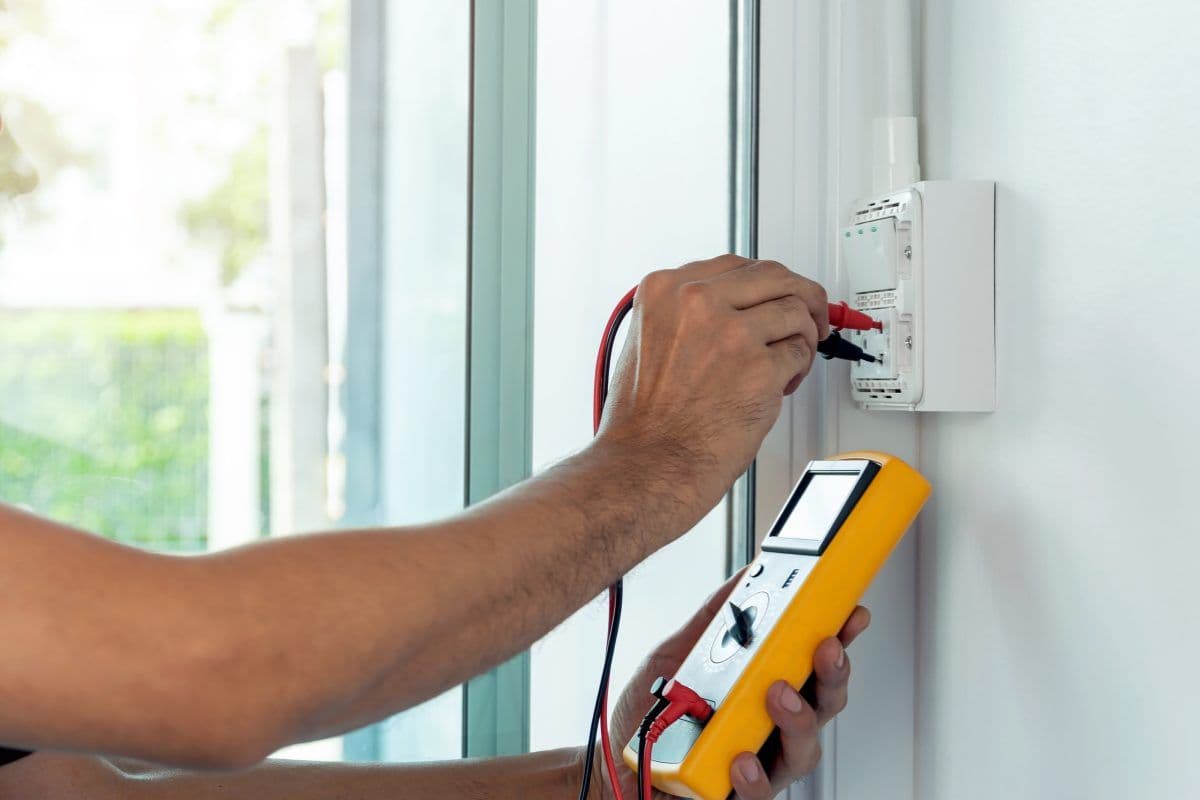
The most visible threats to workplace safety are physical hazards. These include poorly maintained equipment, exposed electrical wiring, uneven flooring, and inadequate lighting. In industrial settings, heavy machinery poses significant risks without proper guards and safety protocols. Even in office environments, seemingly minor issues like trailing cables, overloaded high shelving or blocking fire escape routes, can lead to serious injuries.
Ergonomic Hazards
Workplaces often overlook ergonomic hazards, which can result in chronic health issues. Prolonged computer use, improper seating, and repetitive motions contribute to musculoskeletal disorders. These conditions develop gradually, making them particularly insidious. Employers should undertake risk assessments, invest in good quality ergonomic furniture and provide information, instruction or training on correct posture and the importance of movement.
Emergency Preparedness
Need Expert H&S Guidance?
Our qualified consultants can help you implement the right health & safety measures for your business.
Many workplaces lack adequate emergency protocols or fail to communicate them effectively. Every facility should have a fire risk assessment, clearly marked emergency exits, regularly tested fire alarms, and easily accessible first-aid supplies. Employees should receive training in emergency procedures and know the location of safety equipment.
Psychological Safety
Beyond physical safety, psychological safety deserves equal attention. Workplace pressures, bullying, and hostile environments can severely impact mental health. Organisations must establish clear policies against workplace bullying and provide resources for mental health support. A psychologically safe workplace encourages open communication and reduces anxiety-related accidents.
Environmental Concerns
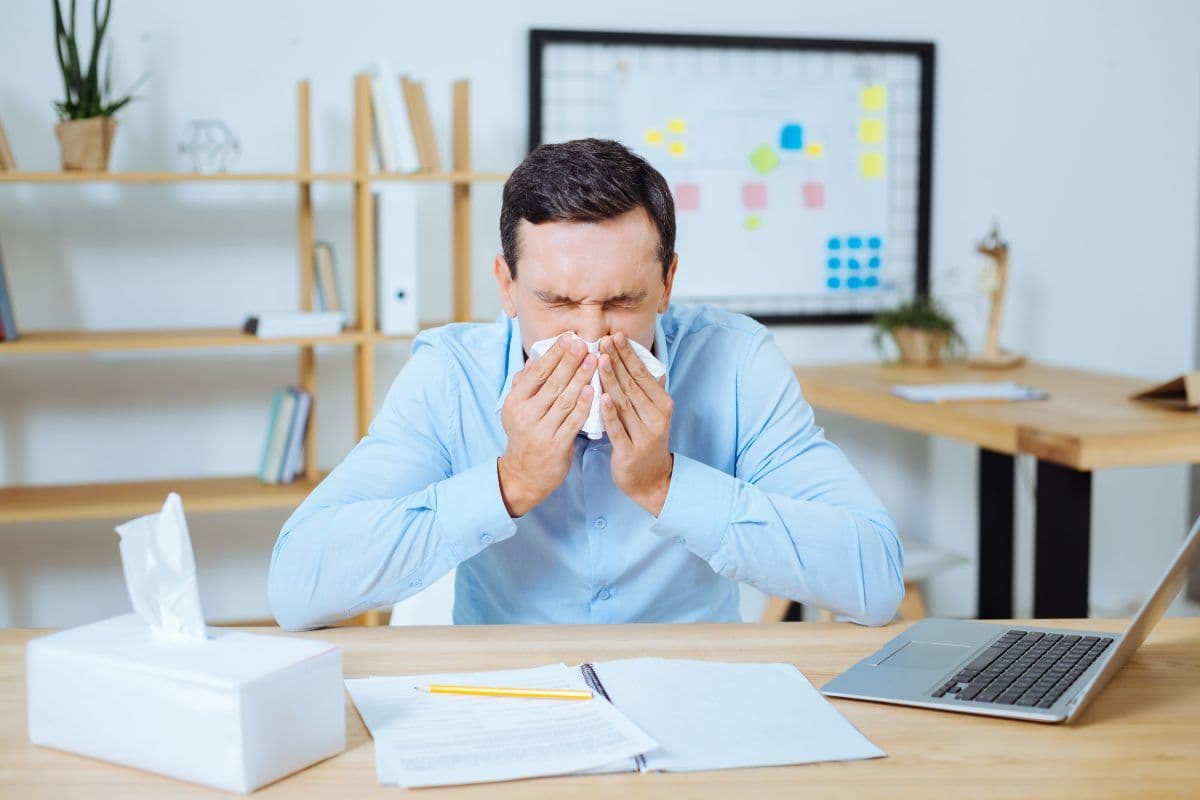
Air quality significantly impacts workplace wellbeing. Poor ventilation, presence of toxic substances, and inadequate temperature control can create long-term health issues for workers. Many workers spend hours in buildings breathing in recycled air, potentially exposing them to airborne pathogens and pollutants. Regular ventilation systems maintenance including air quality testing are crucial yet frequently neglected safety measures.
Taking Action
Ensuring workplace safety requires ongoing commitment from both management and employees. Key steps include:
• Undertaking risk assessments
• Regular safety inspections and periodic audits
• Safety instruction and training programmes
• Clear reporting procedures for safety concerns
• Investment in safe work equipment and maintenance
• Effective worker/management consultation and employee representation
• Regular updates to safety protocols based on incident data.
Legal Obligations
Employers have legal responsibilities regarding workplace safety. Organisations must comply with the Health & Safety at Work Act and associated Regulations, ensuring they maintain evidence of risk assessments, communication, training and maintenance amongst other safety measures. Failure to meet these obligations can result in significant criminal penalties and civil liability issues.
While employers must provide safe working conditions, Employees play crucial roles in maintaining workplace safety. Workers must:
• Follow established safety protocols
• Report potential hazards promptly
• Use provided safety equipment correctly
• Participate in safety training
• Look out for colleagues' safety
Conclusion
Workplace safety requires constant vigilance and proactive measures.
Organisations that prioritise safety not only protect their employees but also benefit from increased productivity, reduced insurance costs, and improved morale.
Regular risk assessment of safety measures and open dialogue between management and employees creates a culture where safety becomes everyone's responsibility.
The question isn't whether your workplace is safe – it's whether you're taking the necessary steps to make it safer every day.
Contact us
Arinite clients worldwide appreciate we provide practical, no-nonsense advice about what you need to do to establish and maintain a safe and healthy working environment.
Our team of Global health and safety consultants take pride in keeping health and safety simple.
If you need to call upon our expert assistance, or just for an informal chat, please call our office +44 207 947 9581, or type an enquiry to: https://www.arinite.com/contact-us/.
Written by
Derek Mcstea
Health & Safety Expert at Arinite